Waiting

for my story to be told

This summer, I did not think I would get to do any of my letter trips. With my arm injury, driving any distance is difficult. I tried to keep thinking about what I could do without having to travel. I did an inventory of all the places I have traveled and their status – is the building still standing?  Knocked down? Repurposed? I went through all my boxes of letters and pulled out other memorabilia to try to see if I could string a story out of that. And then I thought about writing an essay about some of the more difficult things I learned about my grandfather by doing this project. They were interesting but they didn’t captivate me like the road trips do.
So when my brother David suggested that we get together for dinner for him and his wife Debbie to meet the new person in my life, we agreed on meeting in Nashua, New Hampshire. While thinking about where we could meet, I remembered that at one point I had found a letter that had come from Nashua. Excitedly, I went up into the closet where all my boxes are stored, and I started going through them one by one until finally I found the one from Nashua where he had stayed at the Tavern Hotel. I remembered looking into this several years back and I had found out it was a restaurant, but it didn’t open until late in the day. Usually, I like to start out a road trip on the early side, and as this wasn’t opening until later, I for some reason, set this one aside. But in this case that’s exactly what I was looking for was something with the later opening. Excitedly, I googled it to find out if it was still a restaurant and indeed it was:Fody’s Tavern.

I had some trouble finding some research online about the origin of the Tavern Hotel. However, Fody’s website contained quite a bit about the history of the building. Interestingly, this building is the oldest brick building in Nashua being built in 1833 by the Greeley Brothers and it was called the Greeley Building. It was originally used as the town hall, a meeting place and also a church.  Originally, it was located on the west side of Clinton Street. Keep this in mind. 

In the 1880s, a wealthy Nashua family donated money to build a library building. They wanted to build it exactly where the Greeley building was located. It seems like it became a legal battle and in the end the city of Nashua bought the lot and then had the Greeley building moved across Clinton Street to the East side.  Considering there were no motorized vehicles back then, this was a pretty incredible feat. The building was then used as a combination of retail and housing until the 1920s. 

In the late 1920s, the Nashua police commissioner J. Howard Giles, who was also a caterer and owned other hotels, purchased the property and completely renovated it. This new upscale hotel, conveniently located right near the train station, became the place to be in Nashua. Anyone stopping over in Nashua would often stay there and the hotel was full of politicians, shoppers, and traveling business men staying at this location. You could count my Grandfather among one of them. The restaurant was also the place to be in Nashua. After work, you could find the shop owners, shoppers, and other business people gathering there after a hard day at work. I found on the Nashua library site, some newspaper clippings, celebrating the opening of the Tavern Hotel.  

However, in the 1960s, with the addition of many main highways that bypassed cities in towns, and of shopping malls that further diverted people away from downtowns, people no longer flocked to downtown Nashua to shop. In the late 1960s, according to Fody’s website, it turned into a brothel for almost the next 30 years. Fody’s has been a restaurant there on the main floor for the past 20 years.  Interestingly, the main library is no longer across the street as a new library was built and now this site is used for events.

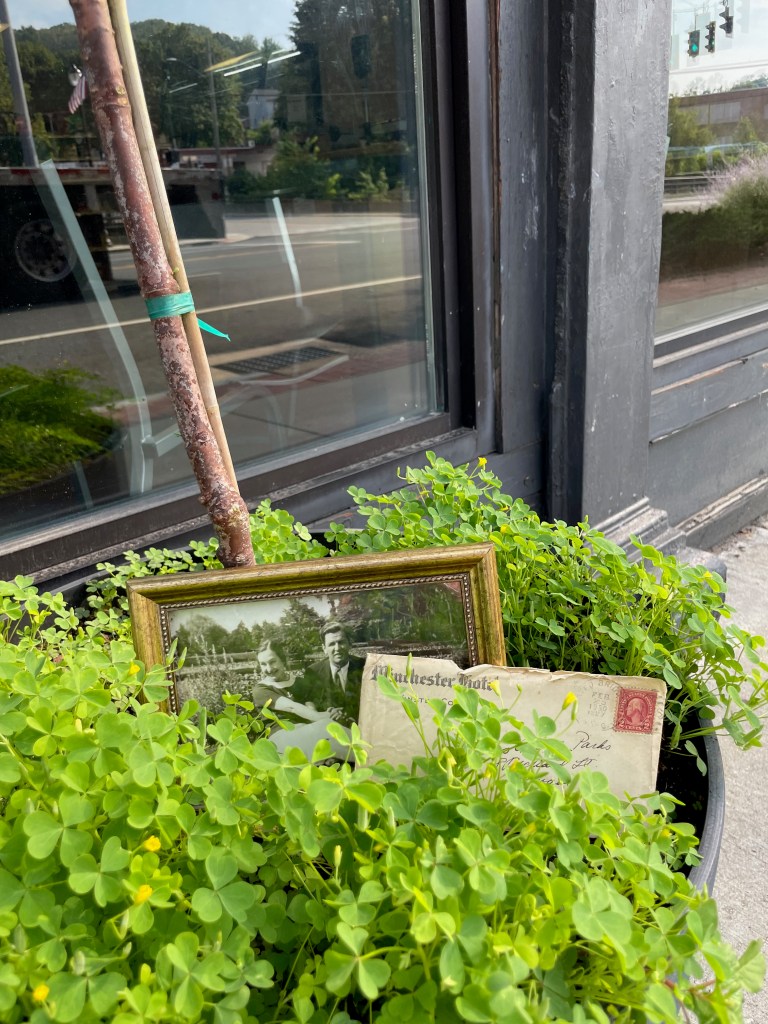
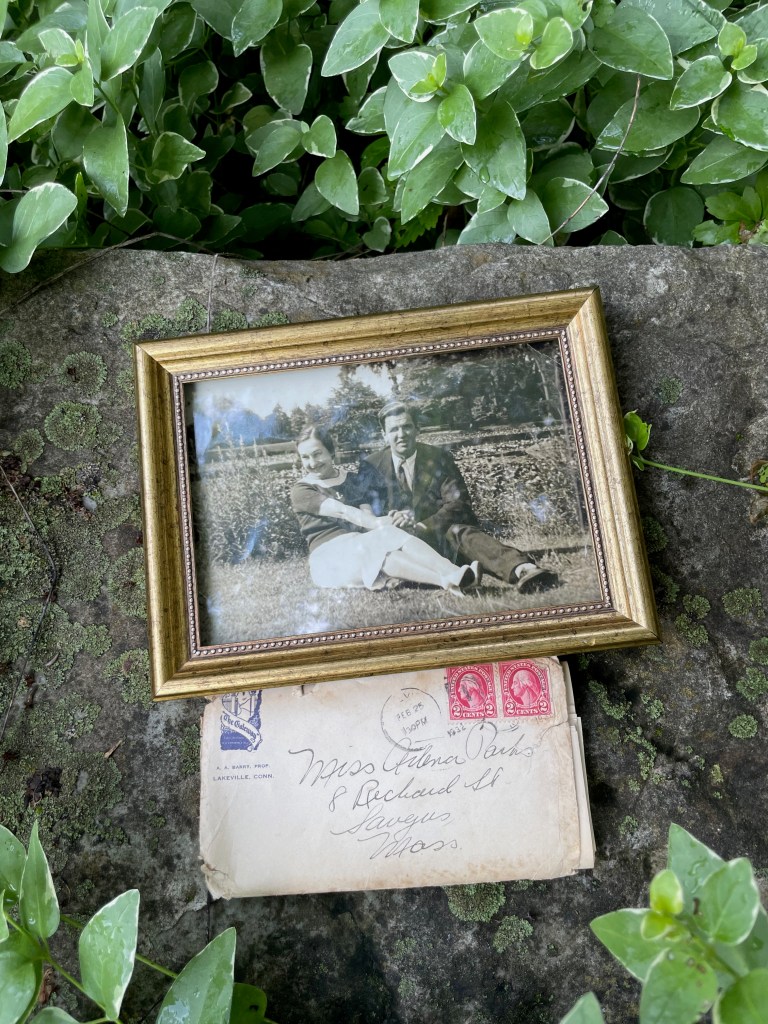
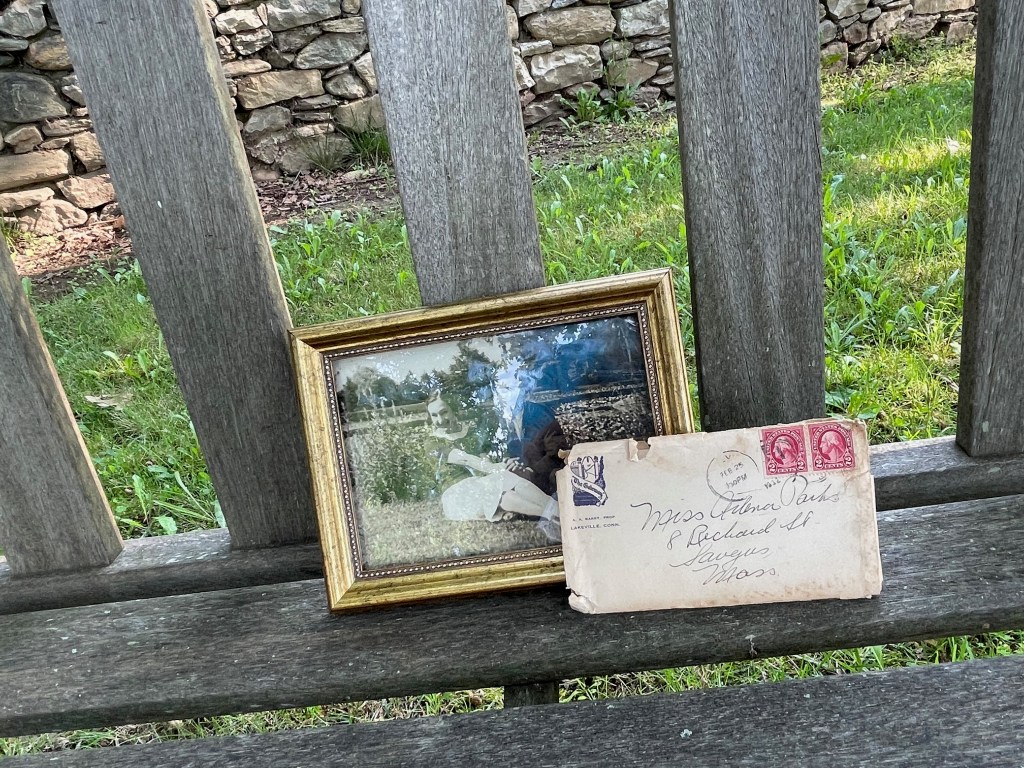
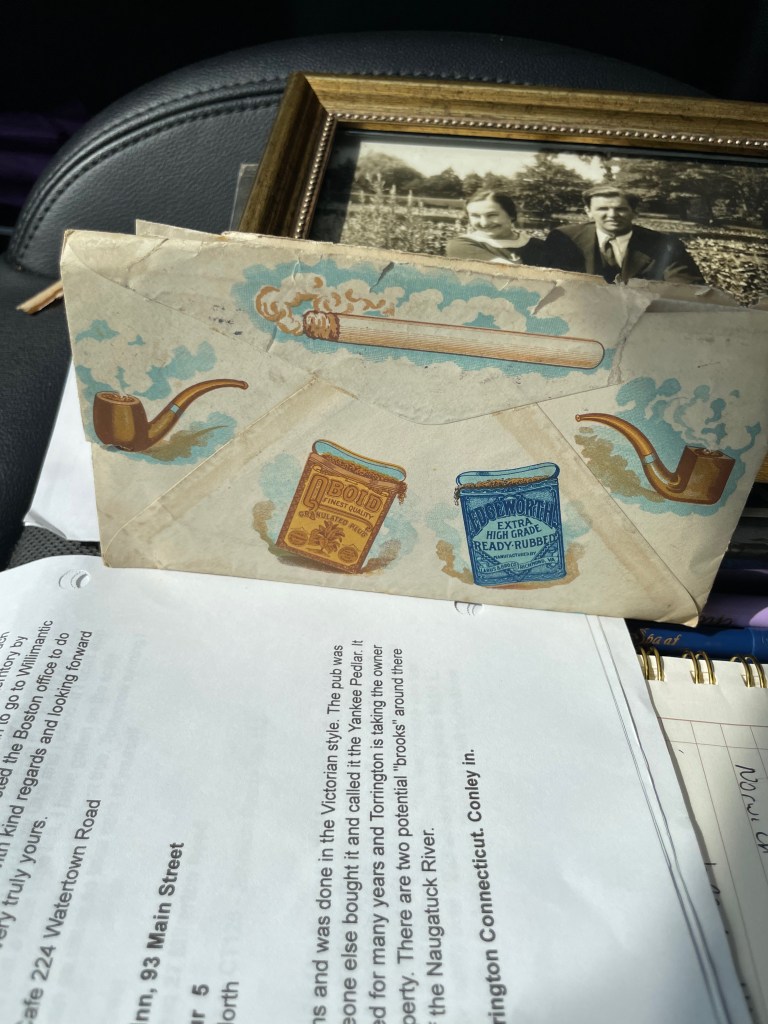
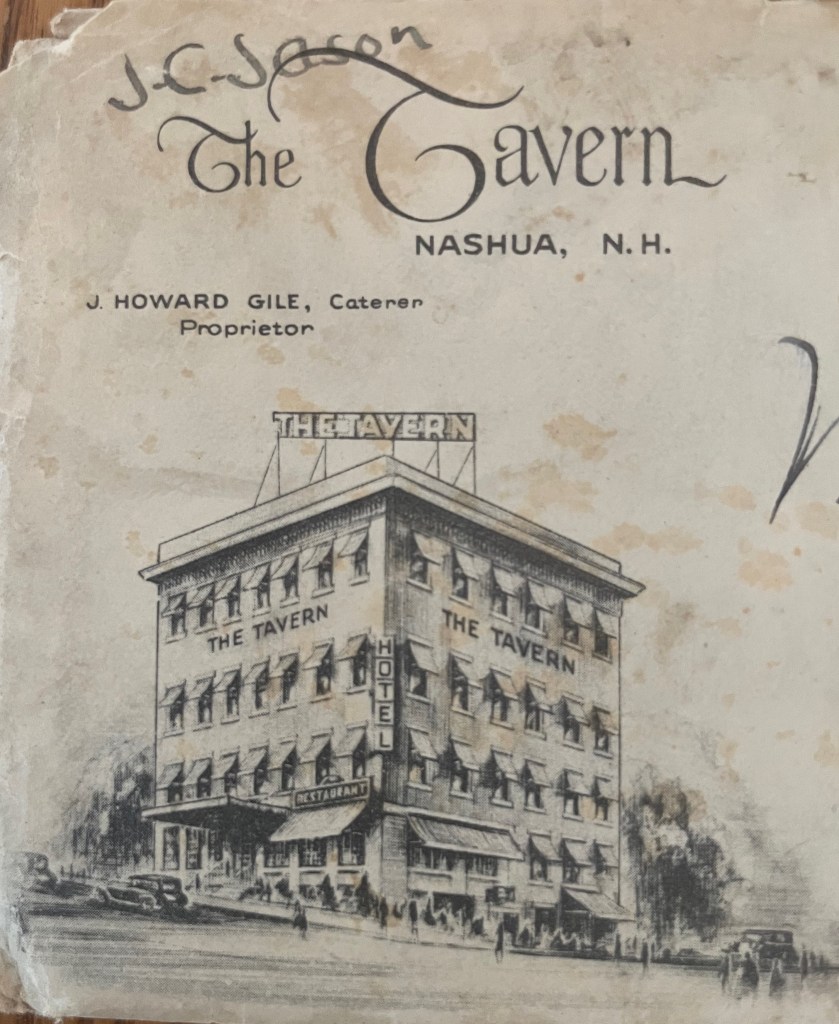
My grandfather stayed at the Tavern in July 1931. The letter he sent to my grandmother was postmarked July 14, 1931 and the stamp cost two cents.  As I have found with many of the letters he wrote, the stationary had a beautiful pen and ink drawing of The Tavern Hotel. This showed the lettering of the hotel on the front and side of the building, and awnings over the windows. There were also cars and people shown in this drawing.  J. Howard Giles was listed as a caterer and the proprietor. The slogan for this hotel was.” The best of rooms and food at moderate rates.”  
From the envelope

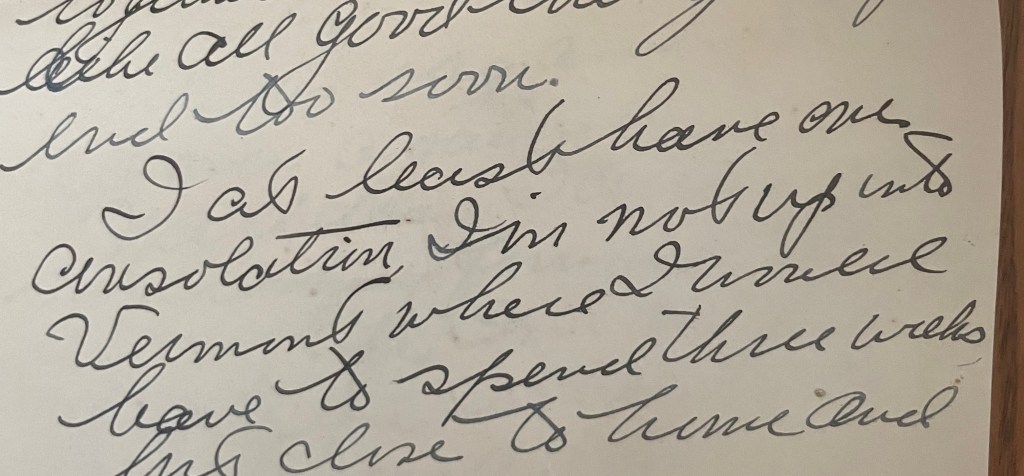
In my Grandfather’s letter, he states, “ I at least have one consolation, I’m not up into Vermont where I would have to spend three weeks but close to home and I will be with you for the weeks end.” He also talks about the monotony of traveling. “ He realizes that he hast to pack his bag and start all over again. Well, dear, I certainly am not looking forward to traveling all my life, I am fed up with the so-called wanderlust to travel and see things. I have seen all I want already and in the future if there is a trip in view, it will be a pleasure to travel with you because you shall accompany me and we will both enjoy a change of surroundings.”

On the evening that we were going to meet there, I called to make a reservation for four at 6 PM. The person that I spoke to said that wasn’t a problem. I told him about the letter I had for my grandfather who stayed there in 1931.  So, a road trip was now set in motion. While I did not technically drive, the distance via back roads from Maynard to 9 Clinton St. in Nashua would be 26 miles one way. As we drove through downtown Nashua, it was bustling with all sorts of restaurants that had outdoor dining as well as breweries along Main Street.  Clinton Street was a very small street. There was only really one building on the right side which I surmised to be the library. On the side of where the restaurant was, there was a church, then the restaurant, and then another brick building that had a coffee shop on the bottom floor. There was parking along the one-way street as well as a small lot at the bottom of that hill.

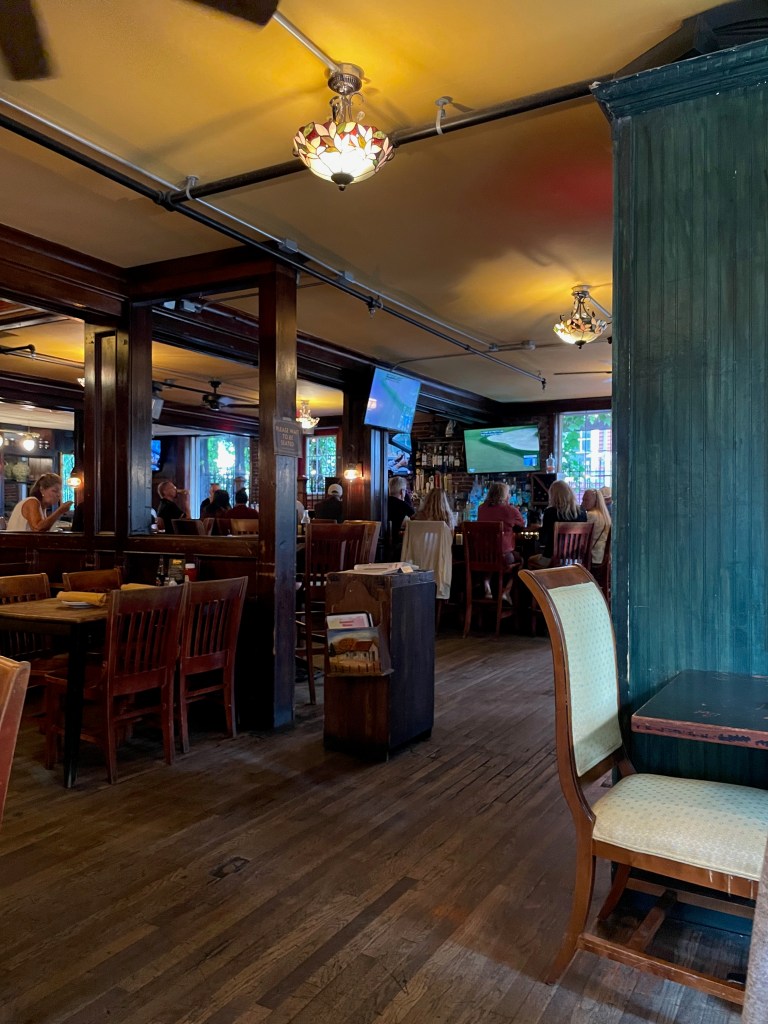
The one main difference from the picture on the envelope and today’s building was that it is now mainly covered in Ivy. The upper floors don’t look to be occupied. Still it had that grand old appearance of a once stately building. You can still see the lettering for The Tavern on the front of the building. On the side of the building, there is now an outdoor seating area as part of the restaurant.  When I entered the restaurant, I would imagine that the woodwork was the same as it had been when my grandfather was there in 1931. It was the dark mahogany looking wood that stuck out to me as probably being the same woodwork that was there almost 100 years ago.

When the waiter came over, he asked who was the one that called and talked about the letter. I said it was me and I pulled out the letter to show him. He was so thrilled to see that and he talked about how they used to let people go look upstairs, but people ended up abusing that and so it is locked off to people. But he suggested that I call the general manager who was out of the country for another couple of months and she would probably arrange for me to be able to go up there.  He was really informative about how things had changed and how they were the same. There was a table that was up against where the former elevator was for the building. They had moved the door that had once separated the hotel lobby from the restaurant.  On the menu were some items that they had back in the original days at that restaurant, such as probably Chicken Pot Pie and Cottage Pie.  Just like in the 1930s, people gathered to eat and drink at the end of their workday.

While the only other place in retrospect that I have visited that had the opportunity to actually eat there was the Spa at the Norwich Inn, this was such a surreal and special trip for several reasons. If you have followed along on my journeys, you know that most of them are done solo. When I first started to think about these trips, I wanted to push myself out of my comfort zone and drive for longer periods of time. I certainly succeeded driving back roads to Presque Isle Maine, a mere 11.5 hour drive in a day. In 2019, two of my close friends accompanied me to Fitchburg  and Gardner.  I remembered I enjoyed sharing this experience with them. But in this case I was able to share this experience with my sibling David. Not only is his middle name Joseph, named after my grandfather, my grandfather’s nickname seemed to be Davy. We never knew our Grandfather because he died 10 years before I was born and therefore 15 years before David was born. It was an incredible shared  experience sitting with my brother in this restaurant where undoubtedly my grandfather ate when he stayed here.   This trip to the former Tavern Hotel was perhaps one of the most meaningful trips I have made during this journey to know my grandfather.  It was certainly no consolation prize whatsoever.
The Albano Produce Stand

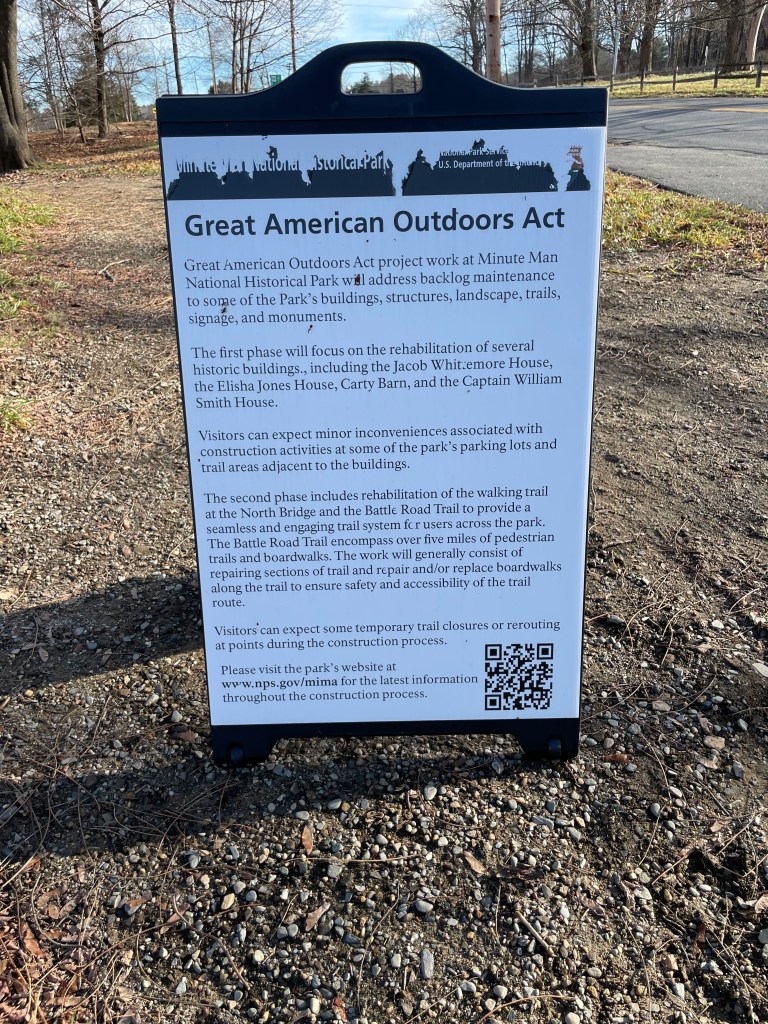
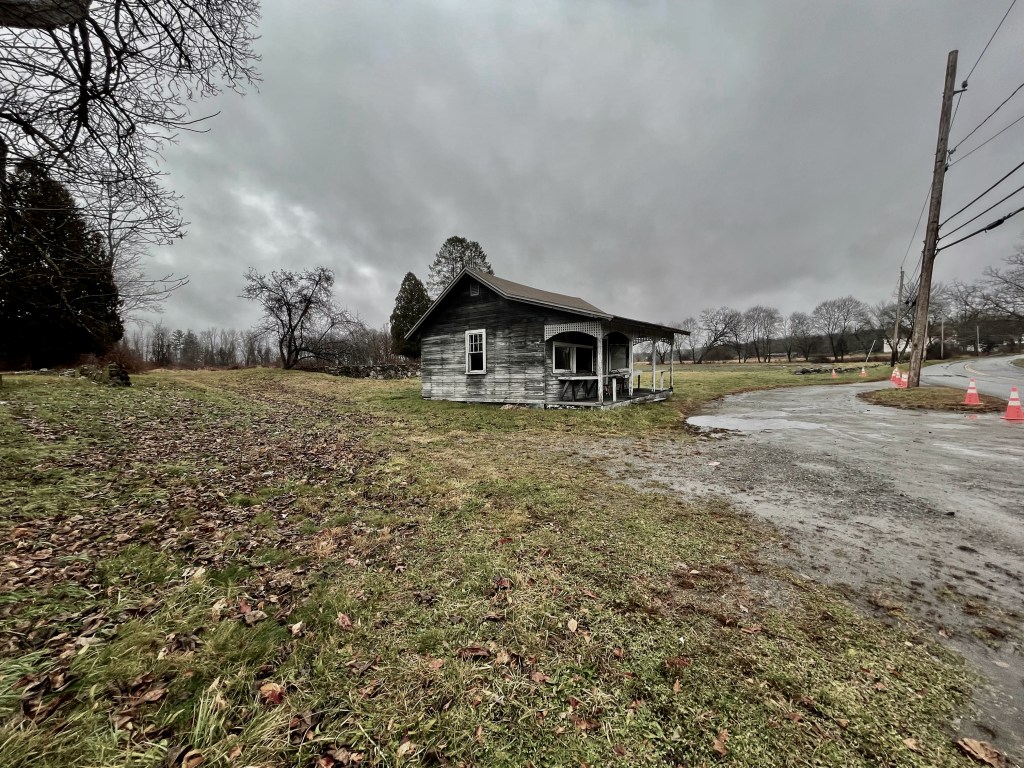
On a rainy Sunday afternoon in the beginning of December, after meeting a friend for tea in Lexington Center, I veered to the right onto Lexington Road to head home via Concord Center.  For years, I have been fascinated with the farm stands that line that part of Lexington Road (https://waitingstories.org/2019/03/09/the-forgotten-farmstand/) but on this , along the road, many of the older buildings and one of the other farm stands had orange fencing around it with a sign saying CSS Project.  The sign went on to discuss that the projects were funded by the Great American Outdoors Act and that the project work at Minuteman National Historical Park will address backlog maintenance to some of the Park’s buildings, structures, landscape, trails, signage and monuments.  It went on to describe that the first phase would focus on the rehabilitation of several historic buildings.  I have always been curious about some of the older homes around this stretch and why they aren’t used for seemingly anything, but perhaps this was the start to repurpose these buildings.  From the Minuteman National Park website (https://www.nps.gov/mima/mima-gaoa.htm), the Park Superintendent, Simone Monteleone, describes the project as These repairs ensure that Minute Man National Historical Park will have the ability to continue sharing important historical stories about the causes and consequences of the American Revolution. The Park will be ready to welcome visitors for the 250th anniversary for the opening of the American Revolution in April 2025.”  The webpage also describes “Additional work will take place throughout the park continuing into 2025, the 250th anniversary year of the opening battle of the American Revolution. Improvement projects include historic structures and landscape improvements, such as preserving stone walls and improving views and vistas. Additional work will enhance the elements of this locally significant landscape to reveal the agricultural history of Massachusetts in the 18th, 19th and 20th centuries by replanting and vegetation maintenance and improved wayfinding signage.”  I did a little more research on this project and found a letter from the Park Superintendent to the Concord Town Manager describing this project and how many of the buildings will be repurposed into single family housing (https://concordma.gov/DocumentCenter/View/37453/20220330_MIMA_GAGO_S106_ReviewPackage_Concord_for-Signature) However, one line did make me pause:  “Buildings proposed for demolition…”

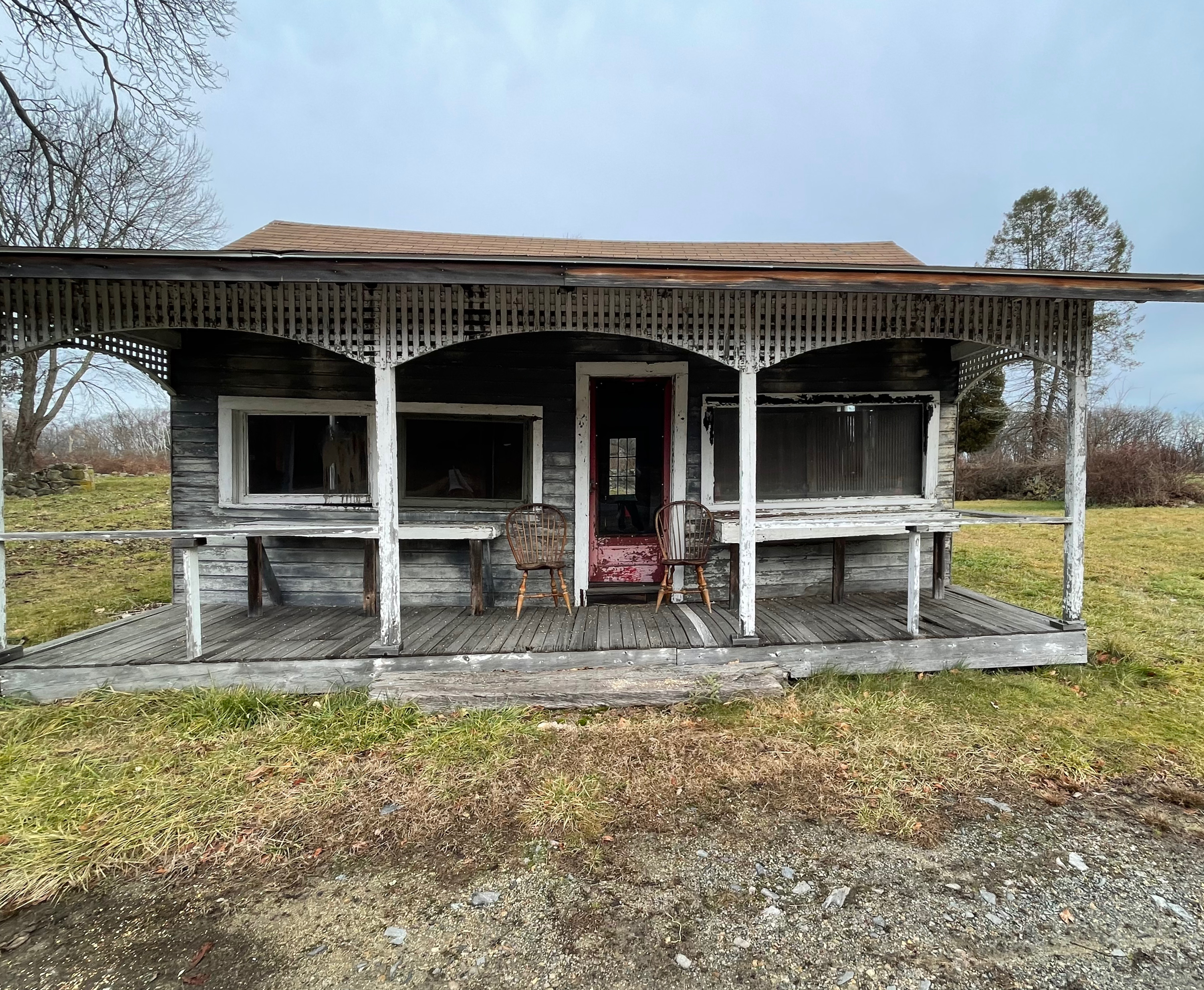
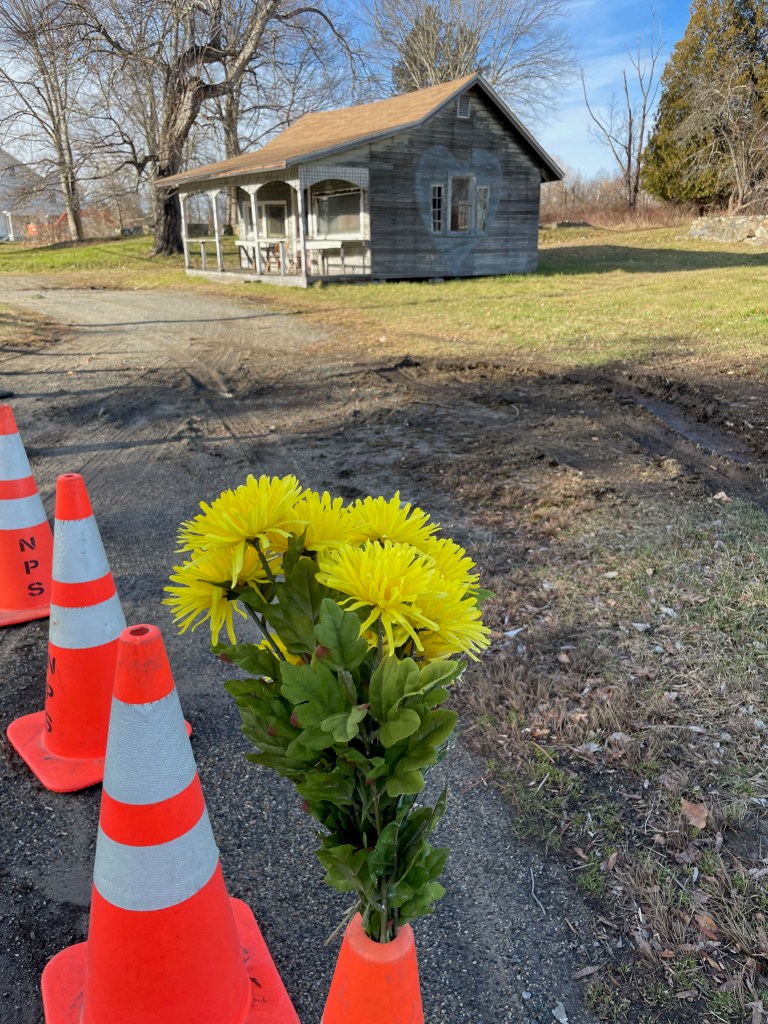
As I kept traveling on Lexington Road, house after house had the orange fencing.  Until I reached my favorite little farm stand – the Albano Farmstand.  There was no orange fencing.  Instead, the circular driveway was blocked off by orange traffic cones.  And on the east side of the farm stand, someone had painted a blue heart around the windows.  On this gray, dreary day, the heart stood out.  But, what did it mean for this building?  Was it not going to be rehabbed like all the other buildings on this stretch were going to be?  Who drew the heart?  What did they know about its future?  Why were there now two oak dining room chairs on the porch?  Who put those there?  Sadly, I drove away, determined to find out more about what was going on.

In the past, I had reached out to the Concord Historical Commission, but never received a reply.  I had written to the email address at the Minute Man National Park, but again, no reply.  I wrote back to the Park Superintendent and again no response.  So, I needed to use my favorite mode of research – social media and back to a Facebook group centered around people who live or have lived in Concord.  While some may think social media can be problematic, I believe, it can also be used for research to add a human voice to a story.

So, I put it back out to whether or not people knew if the farmstand was part of the renovations or if its fate was different than the majority of the homes.  And once again, the human story of what happened to many of the residents of this area rose to the top.  

One person told the story that she believed that her prior family home, that was next to where the infamous Willow Pond Kitchen, is being renovated into a single family dwelling that will be rented out.  However, she also spoke of another one of the family’s property that was also a farm where vegetables and fruits were washed and packed, that was now in disrepair because the park let if fall into disrepair.  This particular family began farming in this area in the 1920s.  Her grandfather and his brothers, who came from Sicily, bought this rather swampy land and created a very fertile vegetable farm despite the naysayers who said that they were crazy to buy such a property.  Her  family had to move on both physically and emotionally over all this time, but for her, her  heart still aches for our lost family farm heritage.  She discussed how she and her family were the last residents to be living in our home but my uncle had sold the farm and land to the National Park Service in the late 1960s. This person had been living with her husband and father in her childhood home for five years from 2010 to 2015.  After her father died, the National Historic Park showed up with an eviction notice six months after her father died.  They left two months later once they found another place to live.  The National Park was in a big rush to have control of the property, but since it has, it has done nothing over the past eight years to maintain it.  In this person’s case, her father cared for the house and property for 40 years, as it was his own.  The family paid the National Park Service rent for all this time, yet, the park service never did any upkeep on the 1850s home. 

Another former family member also discussed that  it makes her  sad that the national park  let these houses fall into disrepair. She wished her Grandparents got to see the old house taken care of before they passed away. Such beautiful homes and land with so many amazing memories.  This former resident had just driven by and she noted the renovations.  I wonder how these residents feel about the homes that are being renovated for some other family that doesn’t have the rich history of the area. 

The loss of other buildings and landscapes were also noted.  The iconic roadhouse, Willow Pond Kitchen, which stood where there now is a parking lot, was mentioned I still mourn the Willow Pond. I had many a cheerful meal there. Sometimes I think the NHP oversteps. The Willow pond was an excellent example of a traditional roadhouse. They are slowly or even quickly in many areas being torn down.”  The Palumbo Farm was mentioned in another comment: “I still remember the Palumbo Farm. A beautiful natural landscape on that side of town.”Another person noted the changing of the landscape: Also, I was incredibly sad to see volunteers, cutting down the beautiful (75 year old very long) lilac hedge at the corner of RT2A on Virginia Road right by Shadyside and the farmstand that the park is “reclaiming.” 

As I had stated in my earlier blog, it seemed like the agricultural history of this side of Concord was being forgotten, unless it occurred in the 1775 timeframe.  This point was not lost on many of the commenters.  “Well, they have focused on one time period only. It’s a lesson for us to all learn and act upon. Just as Concord and surrounding areas have just been focused around what occurred around 1775, which is  Important yes, in addition there is much history to be learned, honored and made prominent about the indigenous peoples who were here living and honoring the land long before anyone else. There’s also something to be said about the farming that happened after the revolution. Concord was not always the suburb it is today.”  Another comment around the importance of having Concord known as just this battle was “ That is a really great point, I hope its brought up in front of policy makers. Concord is more than just the Revolution.”  

An interesting point is that now since the 250th anniversary of the Battle of Concord and Lexington is coming, is that the properties are now being fixed up.  One comment about this was: “ I’m grateful for the investment NOW being poured into these buildings. But since 2012, when I moved to this side of town, I’ve watched the federal government evict one of the last remaining residents of the homes that they took by eminent domain back in the late 60s and 70s, I’ve watched them boot out a successful farm tenant under the guise of allowing another one to come in (and it’s been many years since then and we have yet to see the farm stand reopen with “new farmers”), and I’ve watched all these homes be allowed to crumble all in the name of historical accuracy, or some such nonsense. We don’t need an inauthentic recreation of what used to be, but rather a living museum, where modern day farmers and families can work alongside some of the historical “witness homes“ that can be fully preserved. I hope the Minuteman park authorities keep up what we’re pouring millions into for a photo opportunity anniversary. But I’m suspicious of the millions being dumped in to cover the benign neglect and I hope more happens once the 250th is done.”

Some of the other comments focused on how they felt that the people now in charge of the park have been more empathetic to the residents who once called this area their home.  “I believe the current folks at Concord’s local office are trying to behave in a more thoughtful manner.  Despite my feelings of the powers that were in charge of Concord’s NHP in my time frame, those people are no longer in power.  From my and my siblings point of view and personal experience now with NHP folks, there exists a more humanitarian approach towards us as former residents.  I do feel they are trying to recognize and make amends with us in the ways they are able to.”

But back to the little farmstand with a heart.  Some of the comments from this latest post include: “ I pass this house twice a week on my way to the North Shore and just recently noticed two chairs outside the door and coming back today I noticed the heart. I wonder who painted the heart.”  Another person commented: “Thank you for posting this.  It brought back many memories of visiting that farm when I was young.”  Another wrote “I know it’s the old Lou Albano’s Farm.  He owned that property as well as several acres across the street about a half mile down a small dirt road.  My father and uncles used to hunt on Mr. Albano’s property.”  And finally, here is another sweet memory: “I remember Albano’s Farm so well!  It was a wonderful vegetable stand.  My parents were very good friends with one of the owners.  I think his name was Louis.  In the 1950s, my mother went into extremely early labor with my sister Joan while picking strawberries in the field there.  We used to tease my sister that she was born in a strawberry field!  They were a nice family and the farm is a special memory from my childhood.”

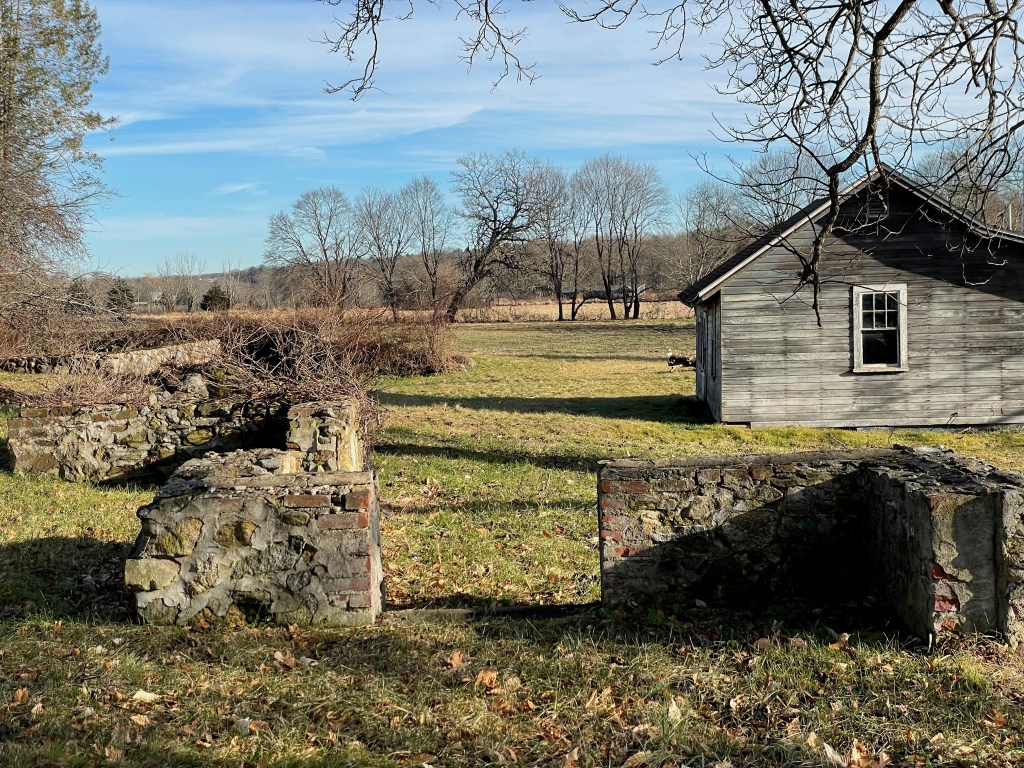
The foundation of the Albano Home

Further research that I just conducted found a memo that discussed the demolition of the Albano Structures (https://parkplanning.nps.gov/document.cfm?parkID=255&projectID=17379&documentID=26388)  In this 2009 memo, it discussed the creation of a General Management Plan (GMP) and how the goal of this plan was “selective restoration of the 18th century environment will provide a flavor of the physical conditions on April 19, 1775.  To this aim, it is proposed that historical structures dating to the 17th – 19th century be restored on the outside and that many of them be restored for adaptive use.  All post 1920 buildings were to be demolished.”  This memo specifically addressed the demolition of the Albano House, Garage/Apartment and Produce Stand.  The reason for its demolition was stated to be that “the house and produce stand exhibit severe structural deterioration and in their current state pose health and safety risks to MIMA employees and visitors.  Additional, mold and hazardous waste issues in the house make occupation or rehabilitation unfeasible.”  In this memo was a very thoroughly done table discussing impacts of demolishing the Albano complex on various topics.  Under the topic of scenic values, the summary states “The selected alternative from the Draft GMP/EA emphasized the selective restoration of the 18th century cultural landscape.  The removal of the Albano structures will contribute to the attainment of that goal.  Impacts to the landscape will be minor, long-term and positive.”  (p.2 ). Under the topic of Ethnographic Resources, it says “The produce stand was designated as an ethnographic resource because of its association with the farm family that lived in the house, raised produce, and sold it at the stand.  The association with the family was lost more than twenty years ago when the family no longer sold produce at the stand.  Without association with the farm family, the produce stand is no longer an ethnographic resource.” (p.3).  In my prior blog, I had found out that the Concord Historical Commission had approved the demolition of the house and garage but did “ask that the small roadside farm stand remain to preserve the historic rhythm of small farm stands along that section of Lexington Road. The Park has agreed to this request.” (p.80)”

https://concordma.gov/DocumentCenter/View/2506/Historical-Comm-PDF. In 2012, the Historical Commission also wrote in its annual report that they were pleased to see a new roof on the produce stand and that they wrote a letter to the Park’s Superintendent thanking the park service.  The Superintendent wrote back saying they were intending to use the produce stand for the Park’s apprentice farming program.  Twelve years have passed since this letter and in those twelve years, the little farm stand has been allowed to further decay.  With the rush to tidy up the park for the big 250th, is it the hope of the Park to finally demolish what they wanted to demolish in 2009?  I have written to a Concord official to see if she could point me in the right direction to find out the answer to that question.

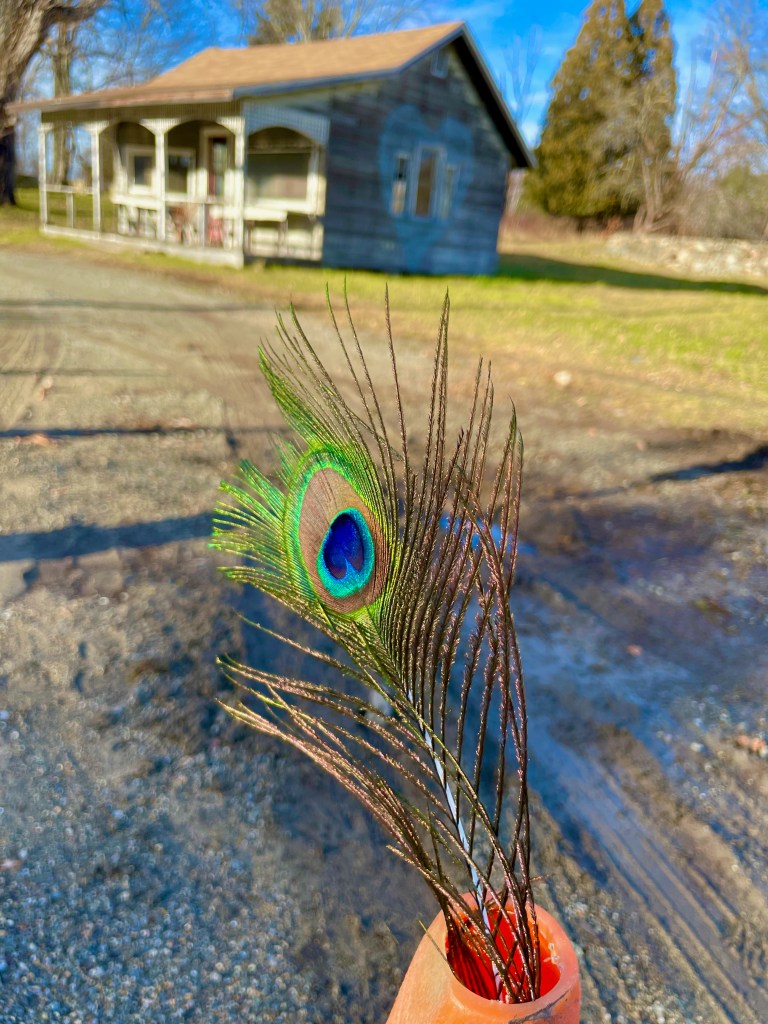
So, I traveled back to the farm stand on December 26th to check if it was still standing.  First, work on the Inferrera House and farmstand continues.  Work on the older homes continues.  As I headed into the curve before the farmstand, my heart first dropped because I did not see it.  But, there it was, standing guard to the green and brown fields as it has for a century now.  The blue heart had faded a little but matched the brilliant blue sky of this late December day.  The orange traffic cones were adorned with fake flowers and a peacock feather.  That’s another story for another day.

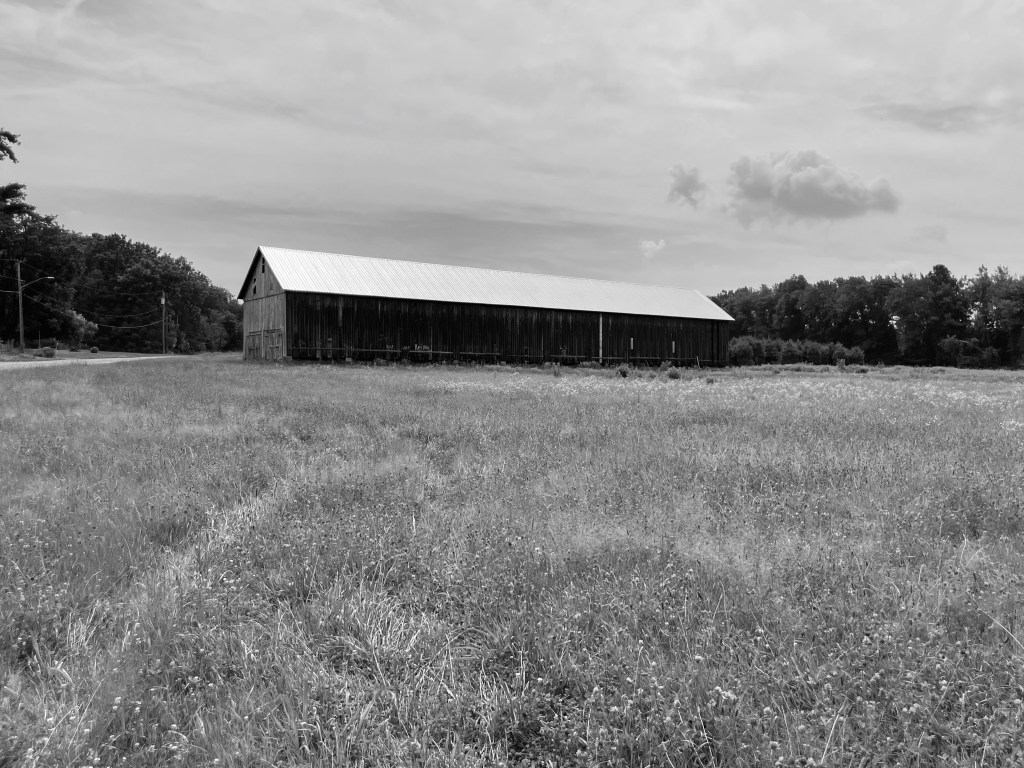
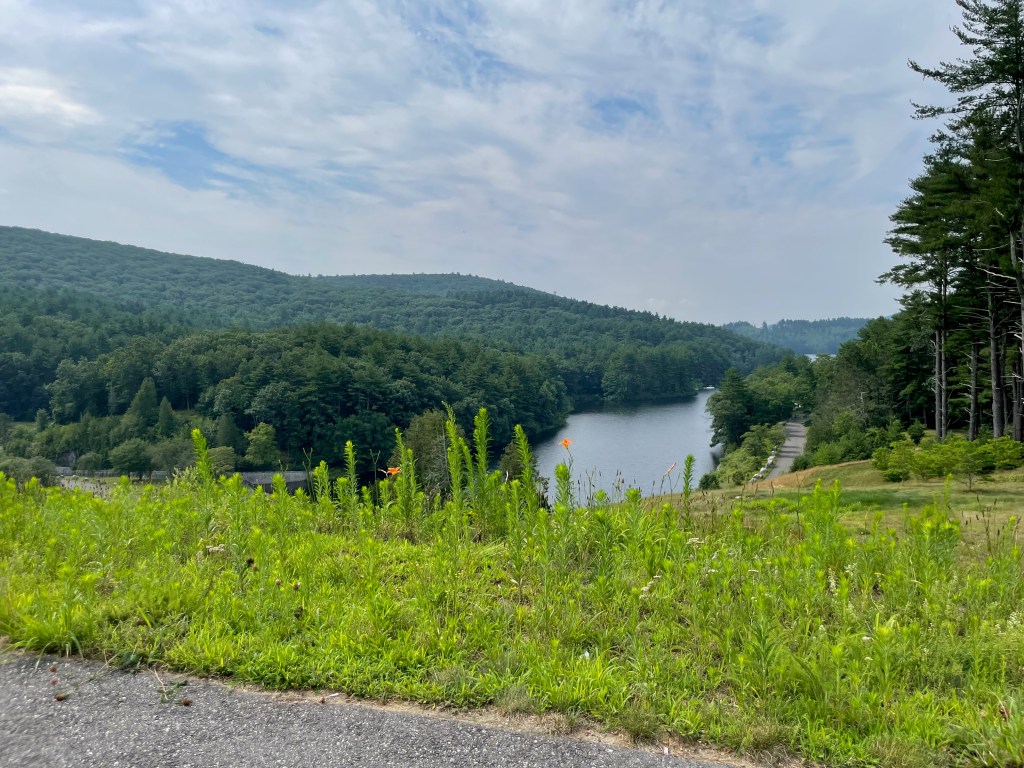
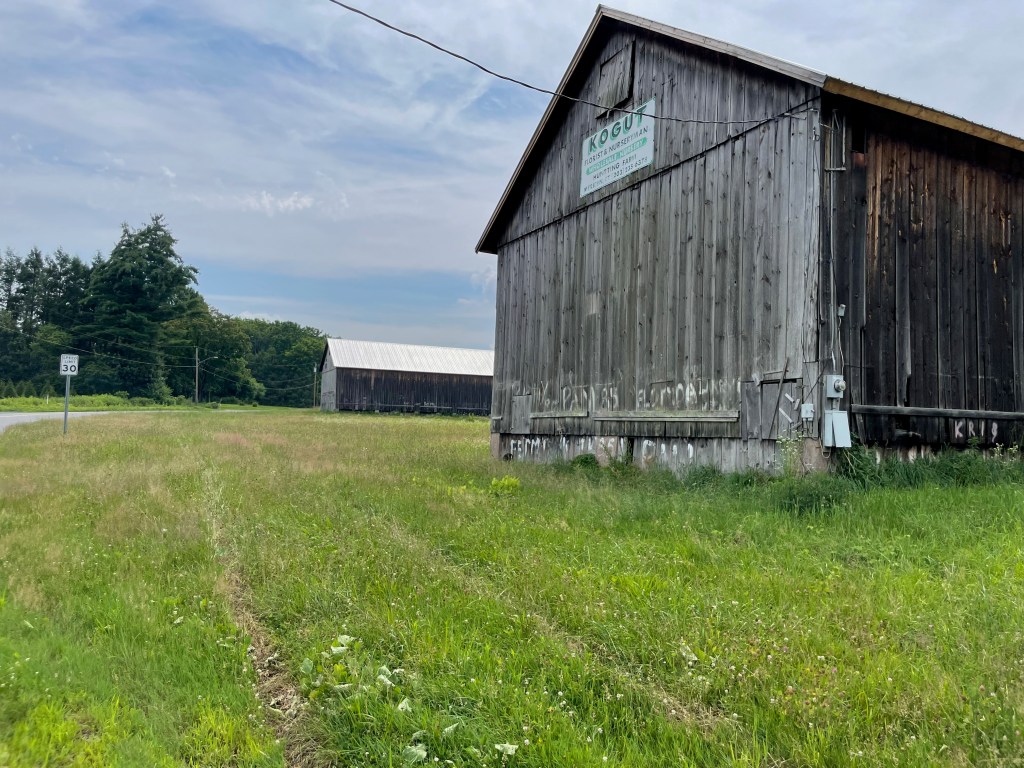
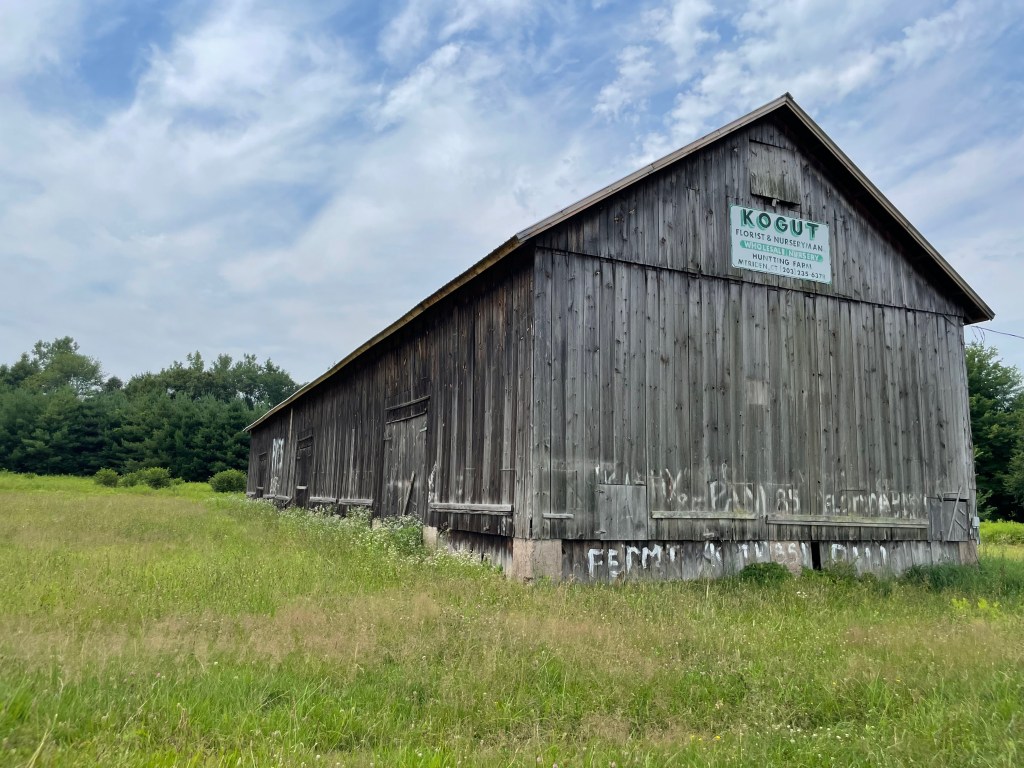
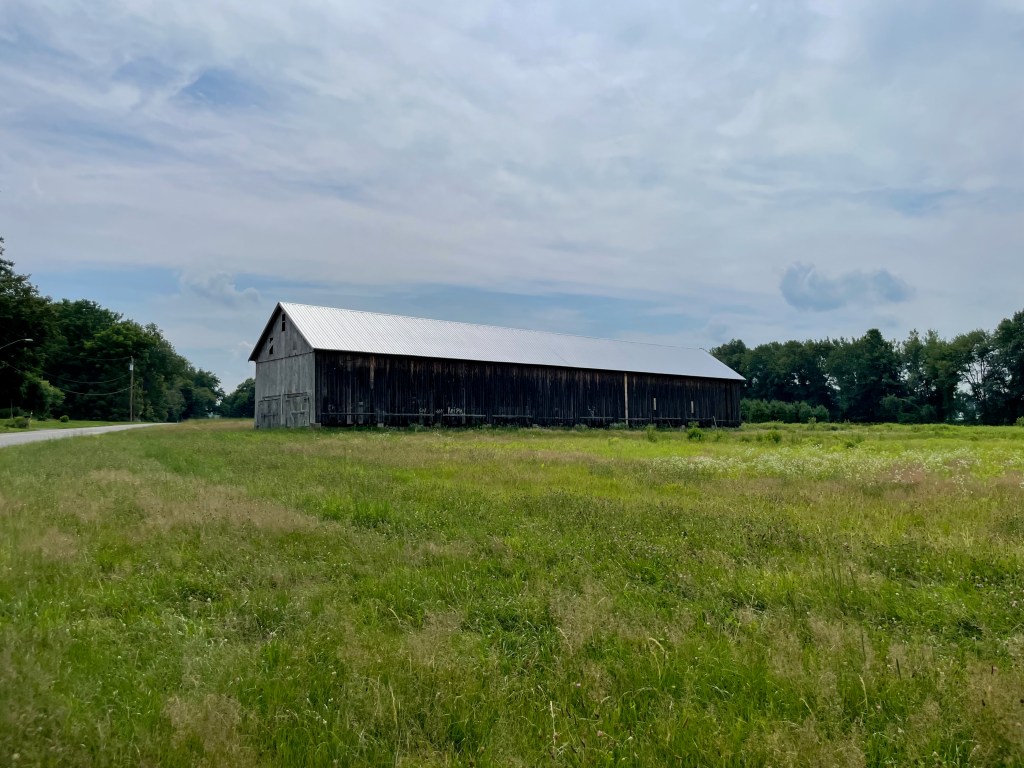
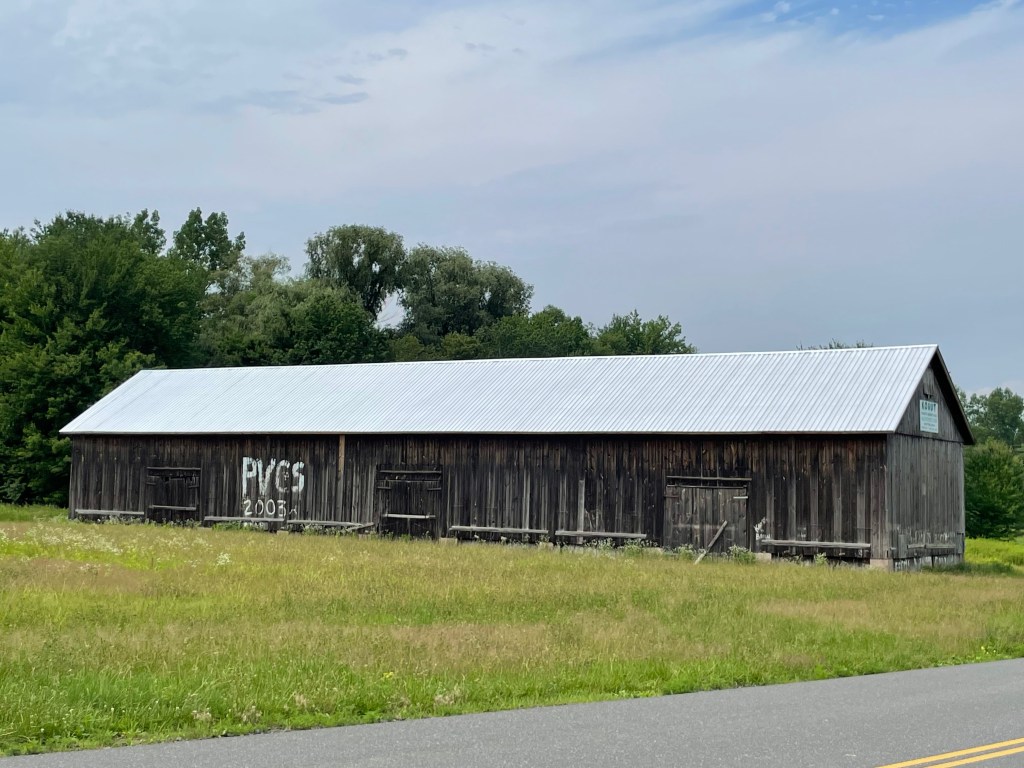
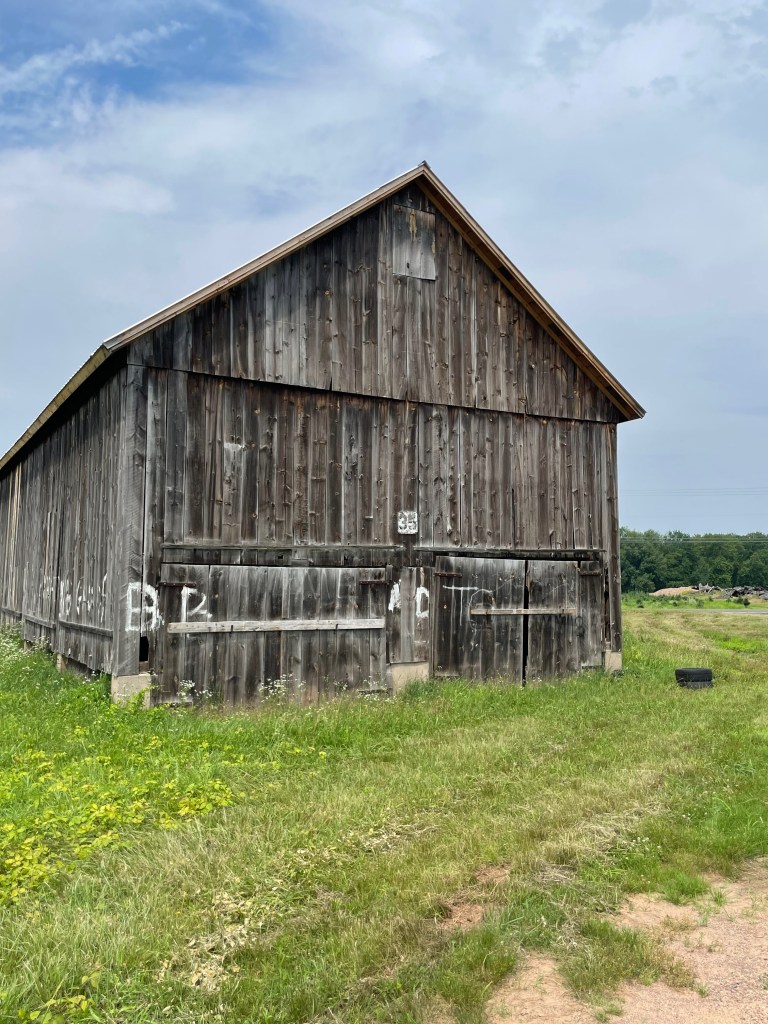
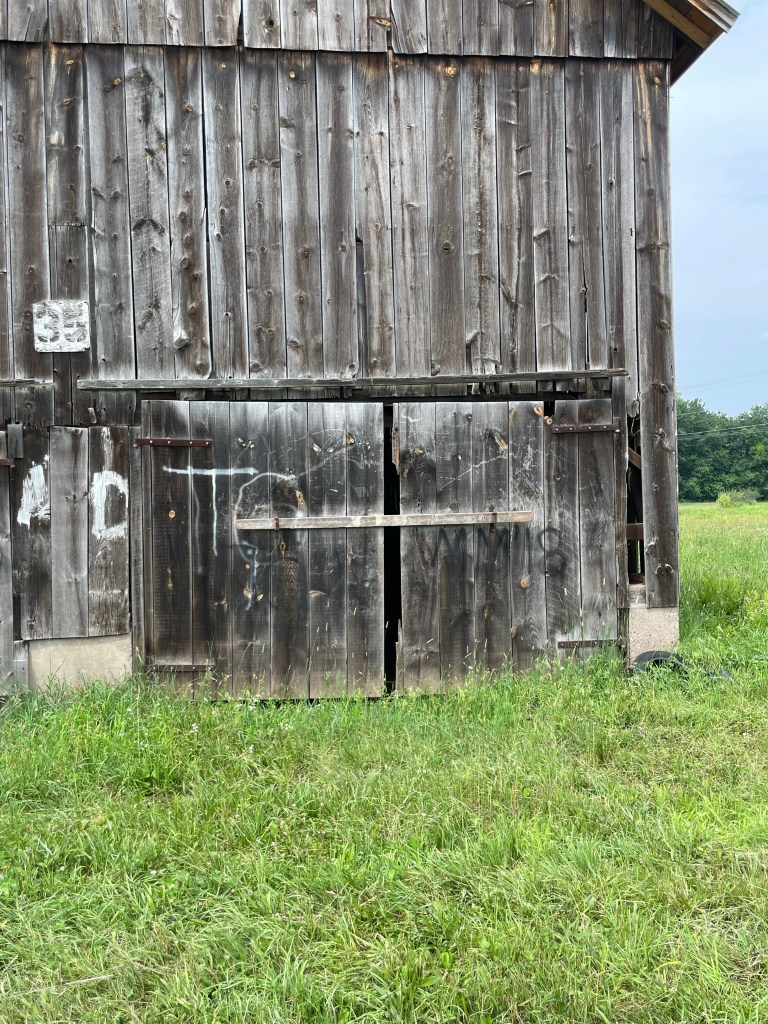
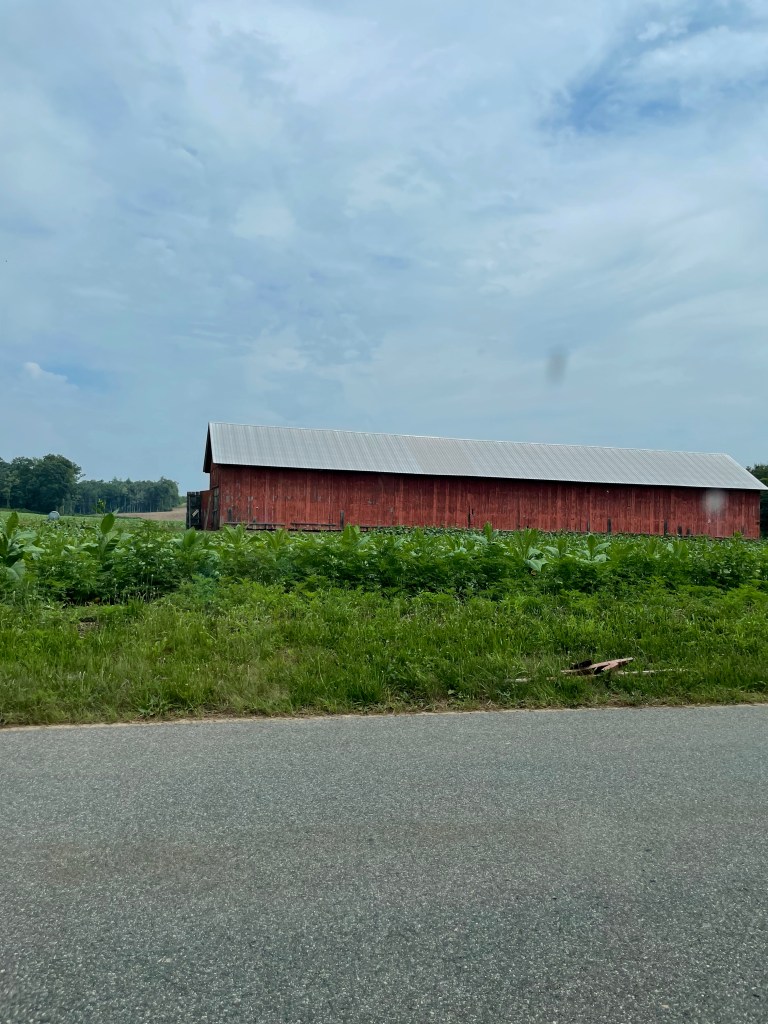
Leaving Winsted at 10:06, I decided to not do the Brimfield Antique Fair, but instead, try finding some tobacco barns.  I went Route 44 for a little bit, then turned onto Route 318 and then onto Route 219.  These were really pretty roads, and I stopped at Barkhamsted Dam and Reservoir to admire this pretty vista.  I then ended on Route 20 (not the coast to coast version).  But somehow in East Granby, my GPS decided to ignore my “Avoid highway option” and dumped me out near Bradley International Airport (which was where I saw my first Dunkin Donuts of the day) and then onto Route 91 for five miles.  I got off onto Route 5 and took a right, which led me to a more rural area. At 11:05 a.m., I came upon a group of 7 barns that didn’t look to have anything going on around them.  By now, for some reason, my phone was overheating and I thought perhaps, this was the logical stopping point of my adventure. Further up the road I came upon a working tobacco farm that had some sort of tobacco growing. This road turned into a series of horse farms, which was really pretty.  I found my way to 190 to Route 319 and then  I connected onto Route 19, which brought me by some pretty lakes before entering Wales, Massachusetts.  Route 19 emptied me out onto Route 20 in Brimfield, which I just followed back the way I came the day before.  Route 20 through this stretch is not the prettiest of roads but it led me home.  At 1:44 p.m., I pulled back into my garage, having traveled 144.4 miles on Thursday and a total of 355.8 miles over the two day exploration of small cities and towns in Connecticut.

An interesting comparison was between Lakeville and Sturbridge, I only saw 3 Dunkin Donuts and not many gas stations in comparison to the day before! What a difference a day makes.

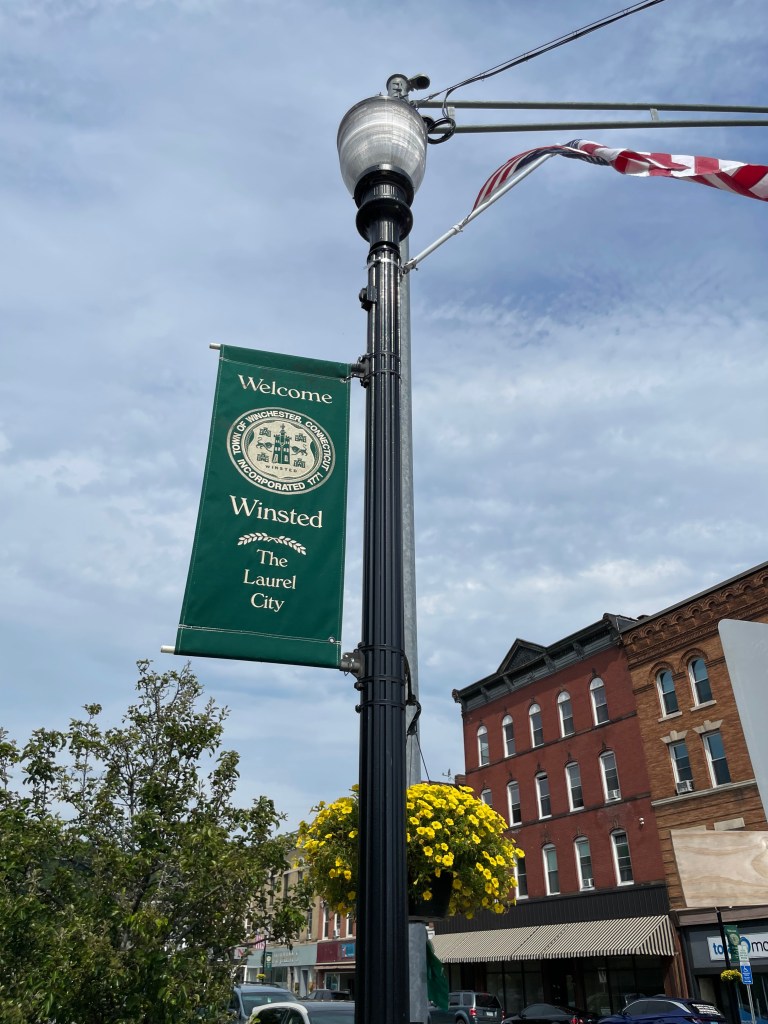
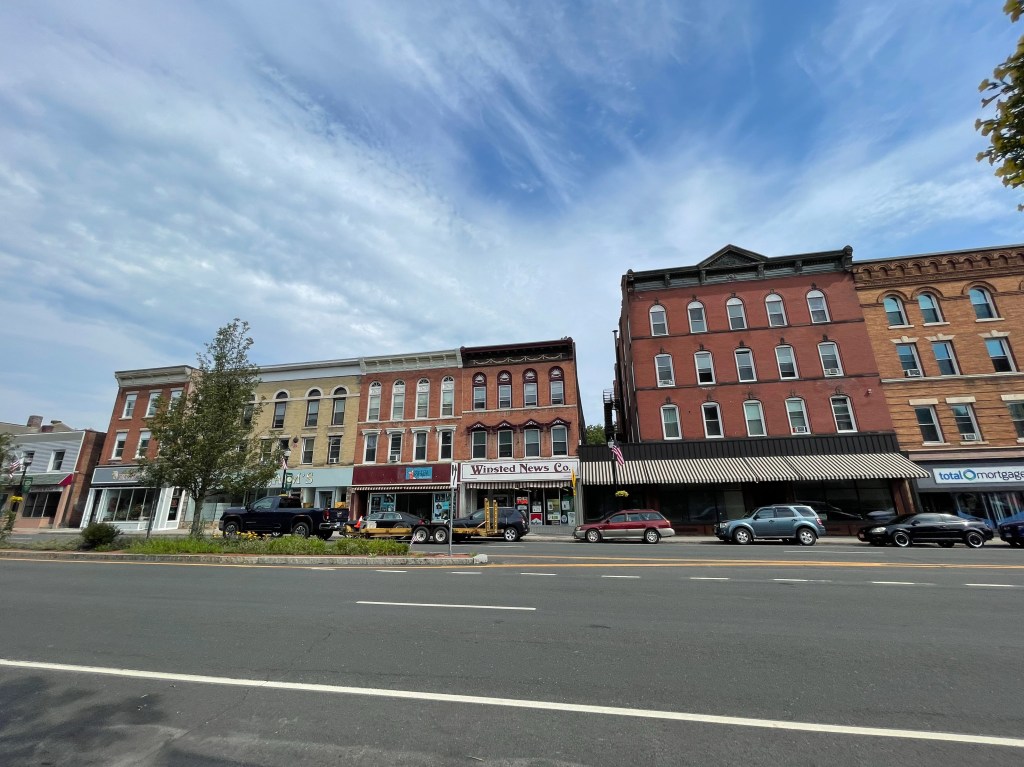
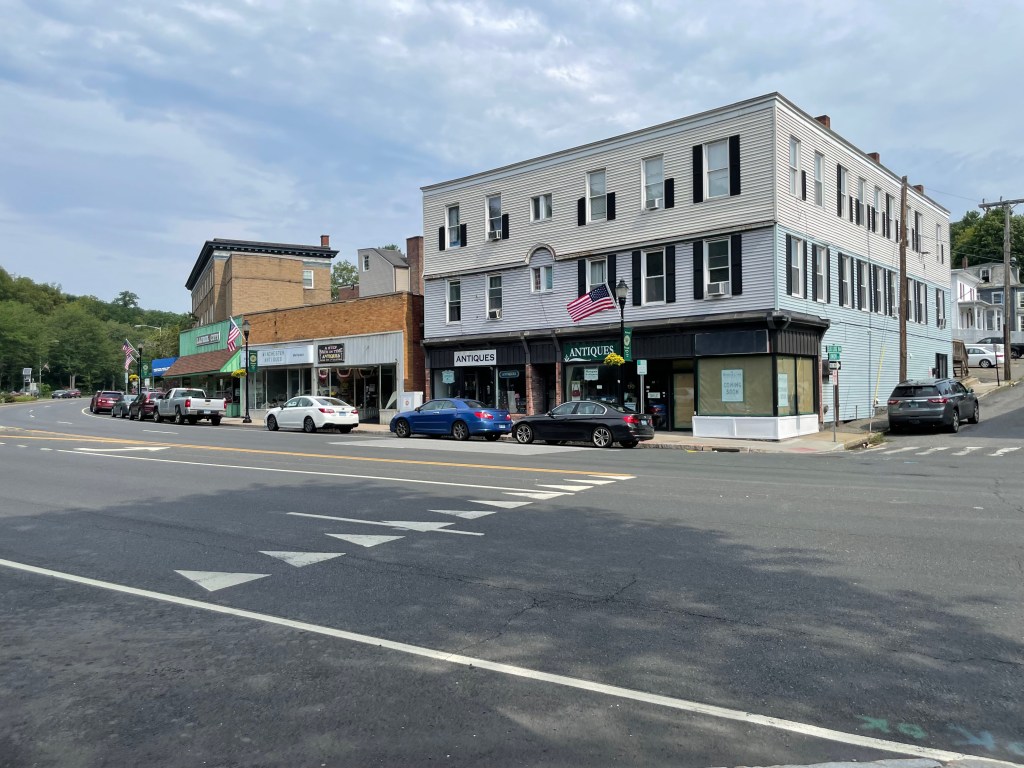
STOP EIGHT:  WINSTED – The Winchester Hotel – 406 Main Street

High Roads and Low Roads:  Tour 3 – Route 44

  • Salisbury – library building and town hall – spring bowl
  • Over the Housatonic River, next to Blackberry River
  • Norfolk – beautiful hills
  • Winsted – described as “never, never land” – back in the 30s, manufactured pins, scytes, and a whole lot of other things.

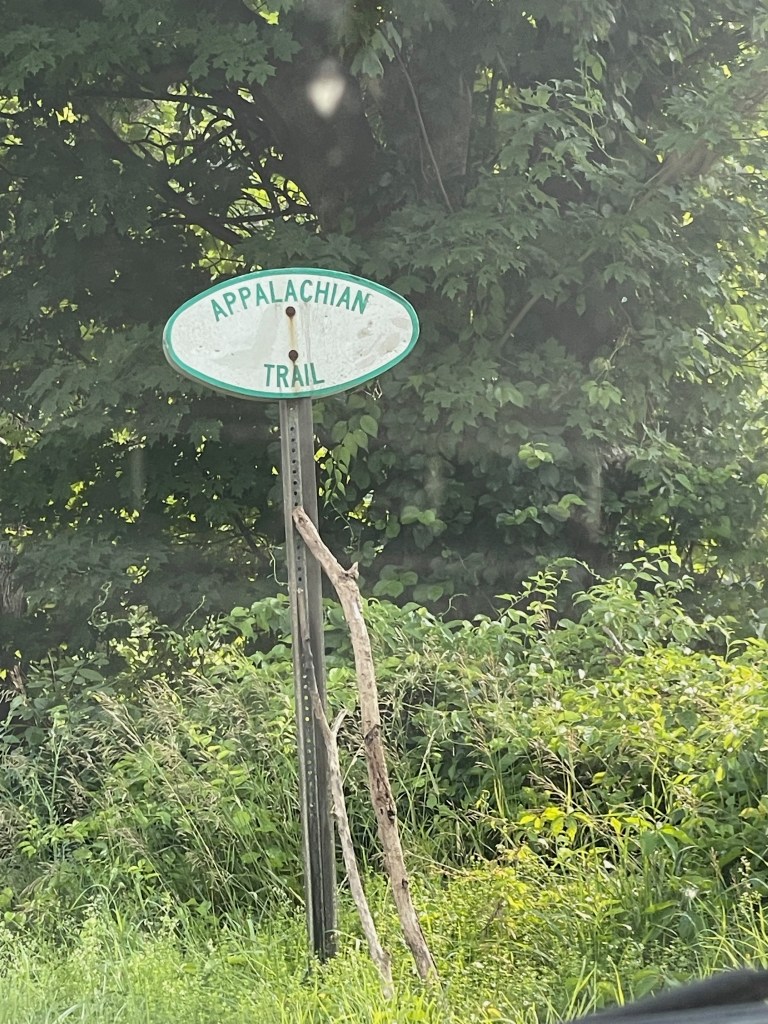
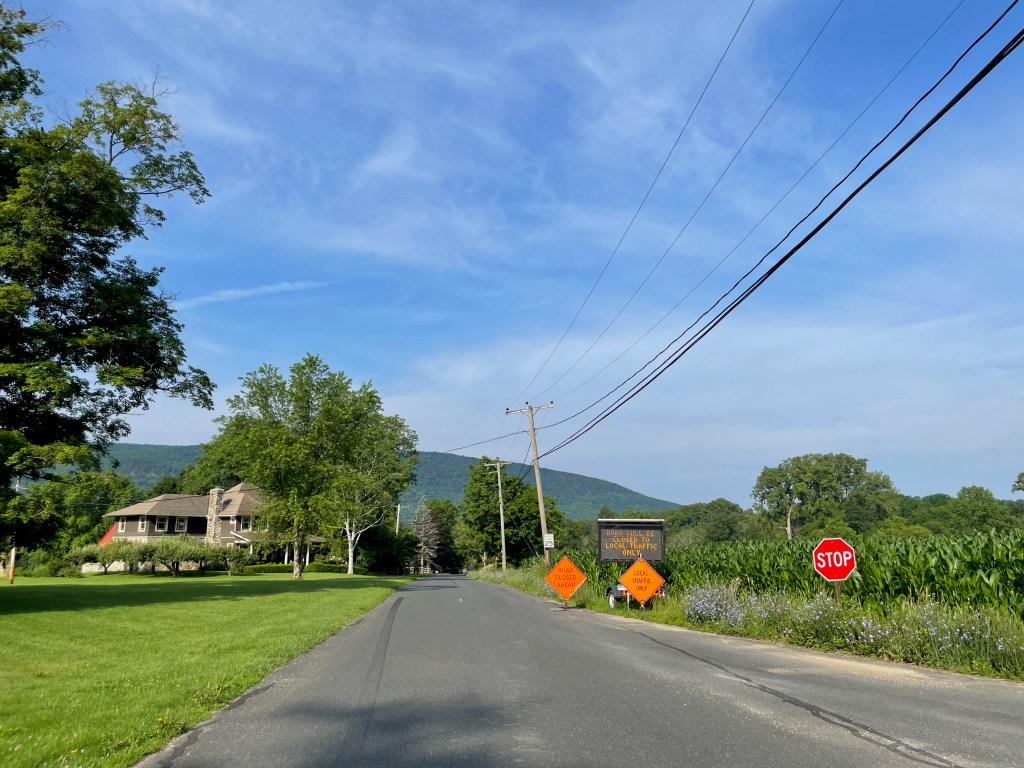
About the ride: This ride from Lakeville was gorgeous.  Right outside of Salisbury Center, the Appalachian trail crossed and I saw several hikers heading towards Salisbury Center.  The speed limit was pretty fast, so I would pull over so that I didn’t have the stress of someone on my tail and the ability to admire the scenery a little more.  Unlike my ride from New London to Thomaston, where there were multiple gas stations, this ride featured very few gas stations.  I found a gas station in Canaan, a town that was advertising a train festival going on.  The mountains, rolling fields of corn and the brilliant blue sky were spectacular.  It was 25 miles from Lakeville, that took me about 50 minutes (also stopping for gas and pictures). I stayed in Winsted for 67 minutes.

About Winsted in the 1930s:

Winsted is the principal village of Winchester and it became a city in 1917.  The city is described as being “in a well watered valley below rounded ridges covered with a dense growth of evergreens and mountain laurel.”  Winsted is described as “never-never-land, where the unusual is expected to happen and it usually does.”  Some of the unusual tales described in the guidebook include “5-legged cows, talking owls, tame trout and even a wild man.”  Irving Manchester wrote a story called the The Winsted Wild Man.  At the time when the book was published, it said that Winsted still holds a Laurel Festival and the buildings are “strung along a seemingly endless main street.”  It also described Winsted as having a variety of building types and that there were many French Canadian millhands that stand outside the doors of the many taverns found here.  The population was 7883 people when the book was published.  

About the Winchester Hotel:

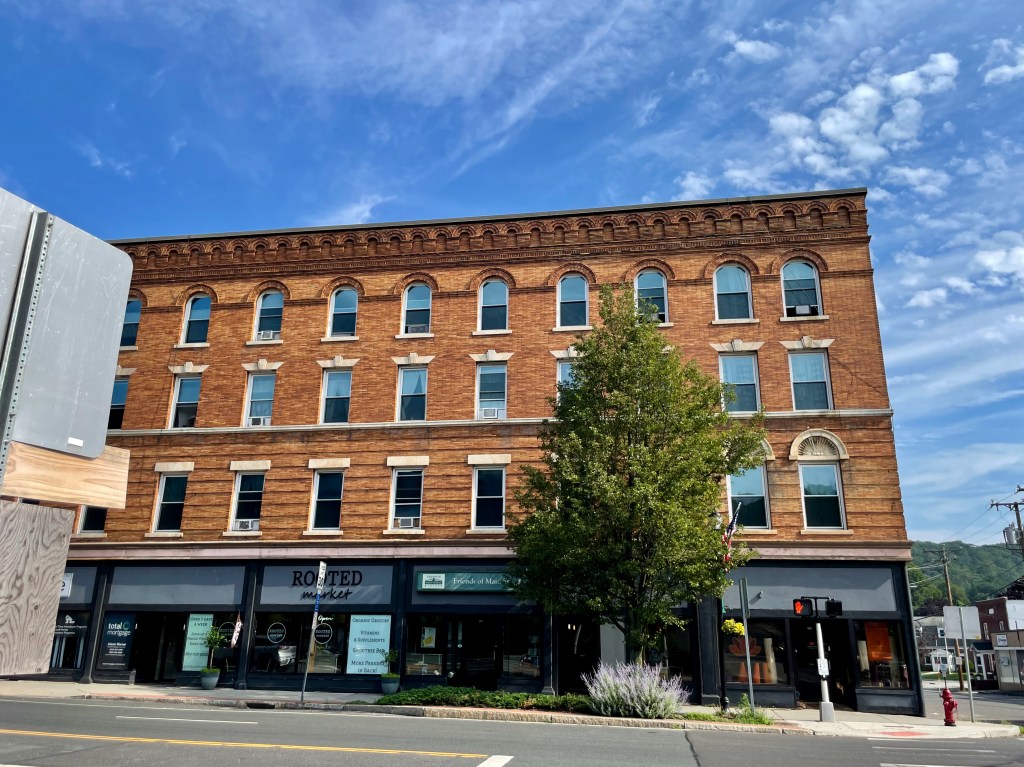
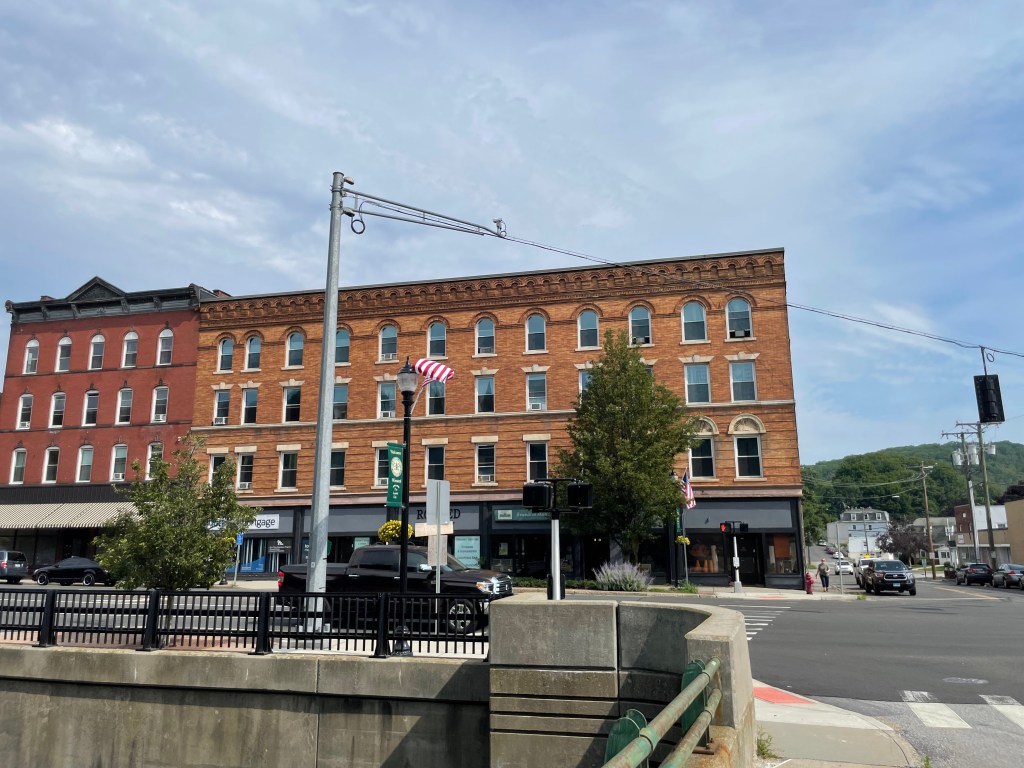
Hotel Winchester was built on the site of the former Hotel Andrews. The name was selected from a contest that was run by the Winsted Evening Citizen. In 1990, it was bought at a foreclosure sale and renovated. It was bought again in 2005. There was a fire there in December 2010, which was arson. In an article about that, this building was called “the anchor for downtown.” Now, Rooted, a health food market is located in part of the building.  There was a mortgage office and other general offices on the first floor. 

Notes from letter:

February 26, 1930, Winchester hotel in Winsted, Connecticut

Here I am all alone in this little town of Winsted with a population of about 4000. It has been three years since the last time I was here and to me it seems to grow smaller and smaller every time I get here, but this time does not worry me, dear, for I worked until 6 PM, put in seven displays, eaten, and here I am in my lonely room. The only thing that is cheerful in my room is your photograph, for I am far from being in a cheerful mood. I have just 30 minutes to make the train in order to your receiving this letter tomorrow. It has rained all day long and it is still going strong. I have just five minutes left to catch the train and from the Conley end, I shall write you a longer one tomorrow evening. So my dear, I will close once again until tomorrow, and always love and have faith in my little angel yours for keeps Davey.

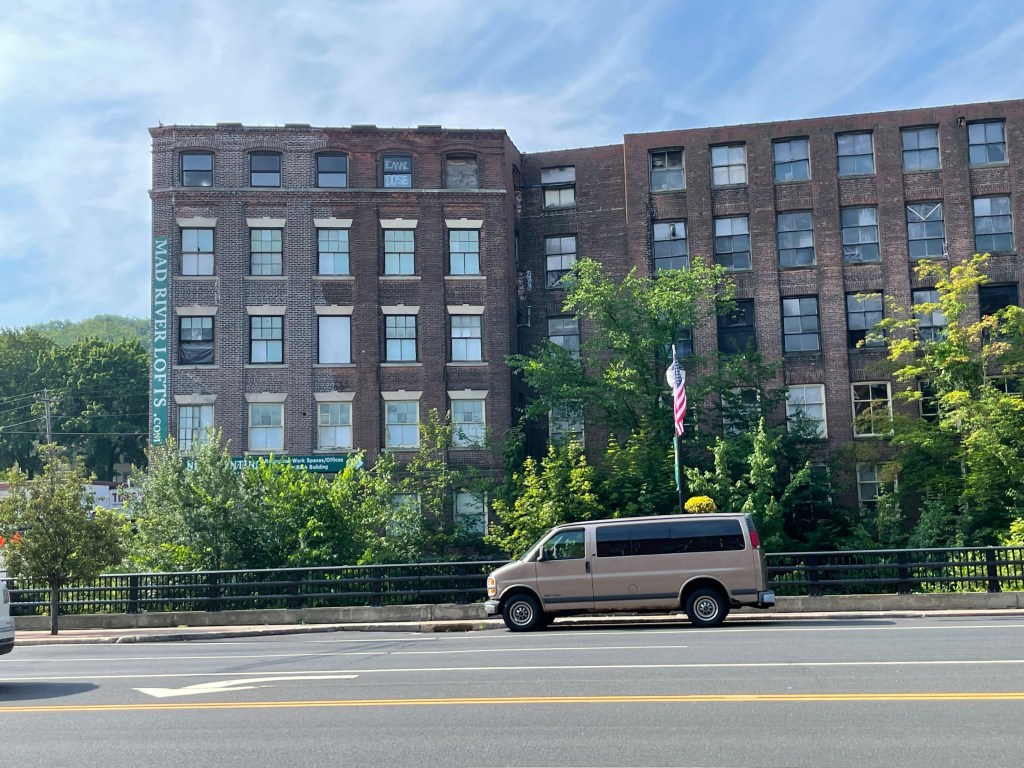
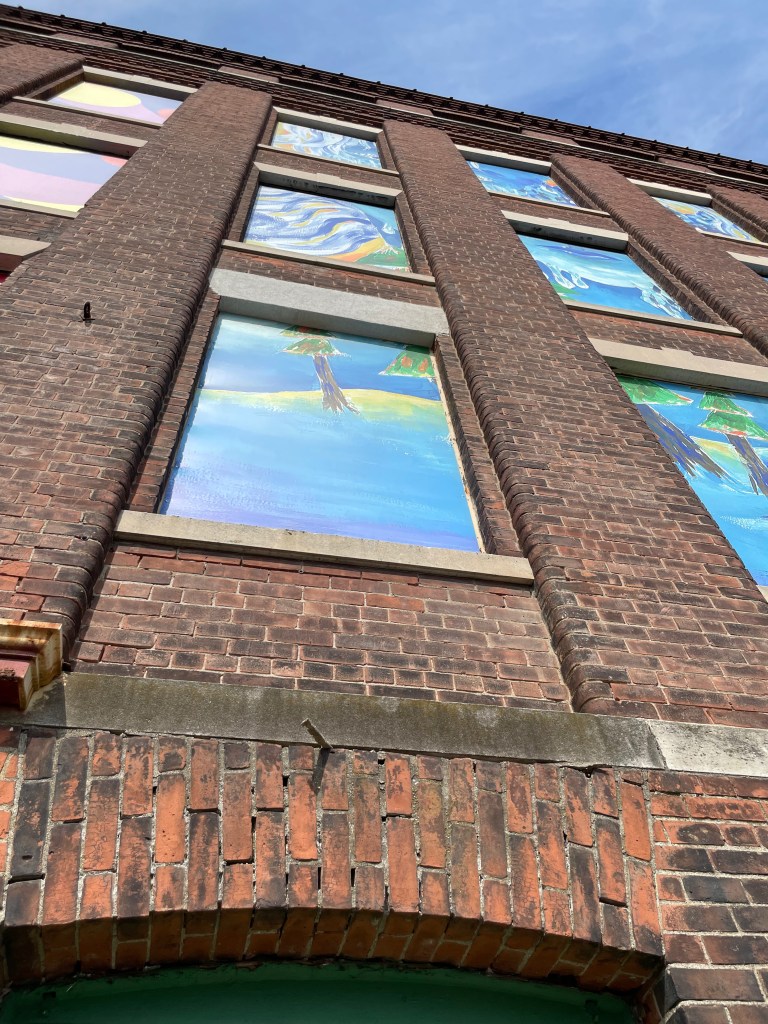
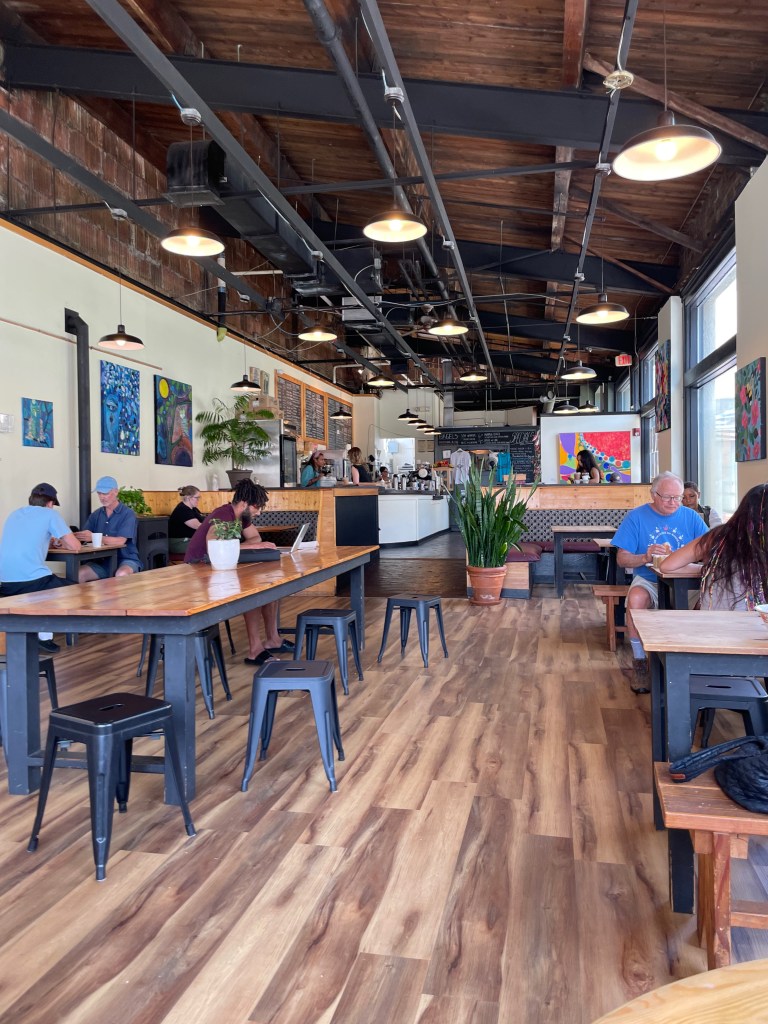
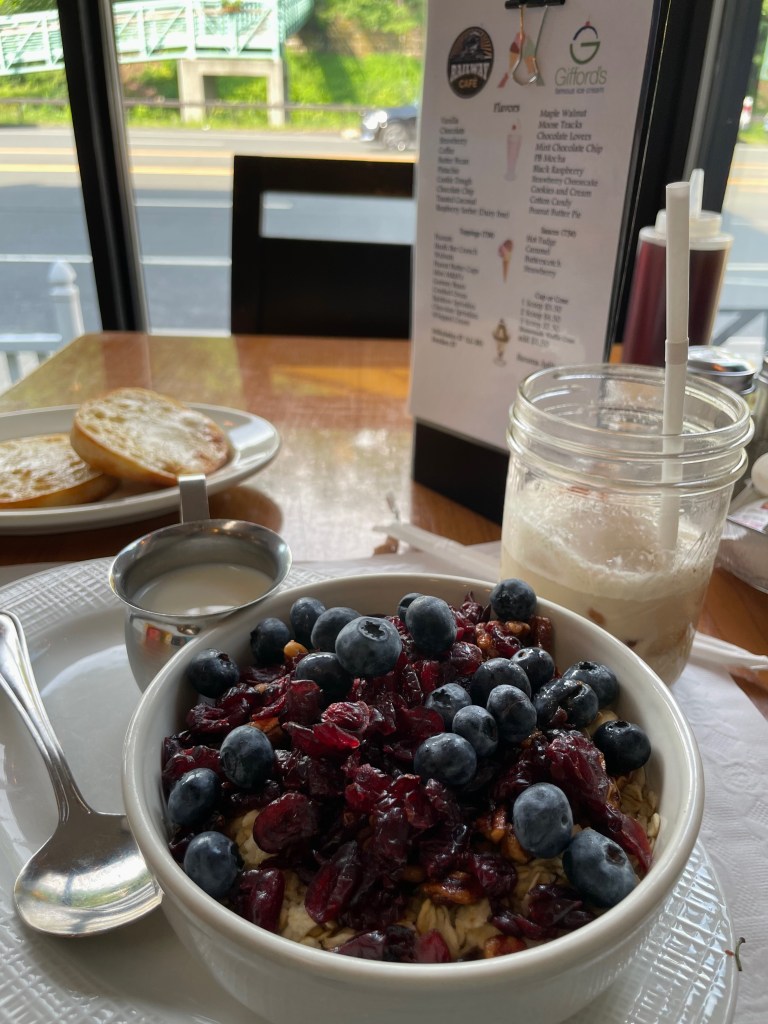
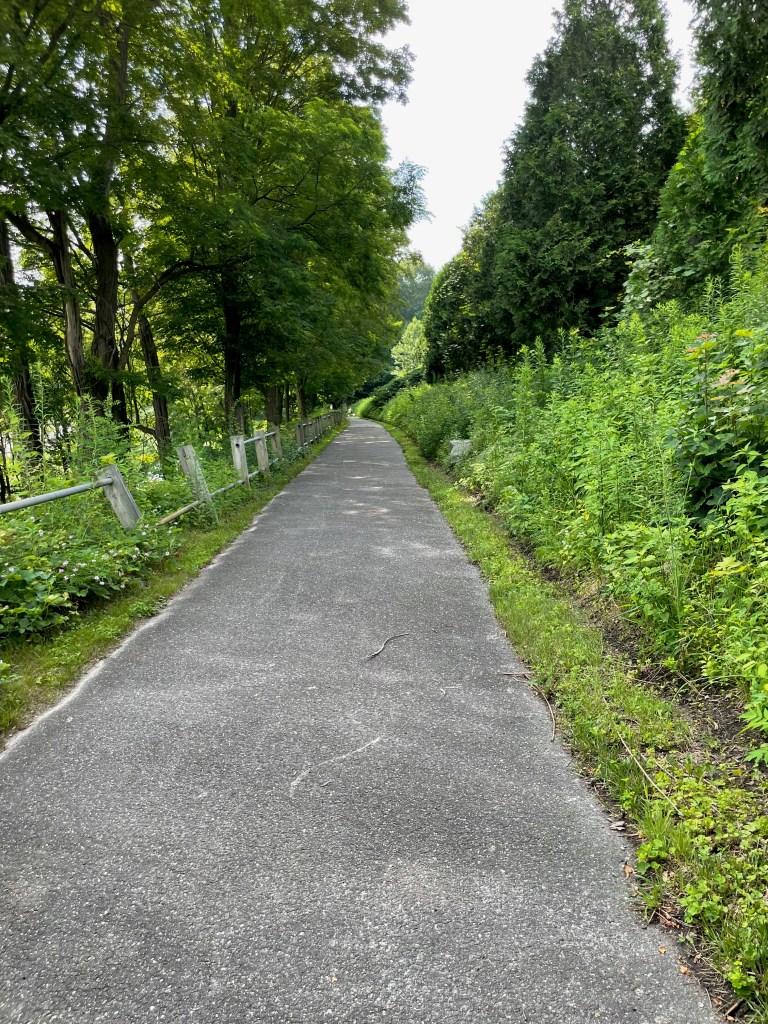
Coffee shop and notes  Railway Cafe, 580 Main Street. Winsted was a really funky little town, full of antique stores, old mills and the roaring Mad River.  There was a natural food store where the Winchester was located, as well as other small businesses.  The upstairs was housing .  I had a great breakfast at the Railway Cafe and then walked a rail trail(Winsted Rail Trail)  that ran parallel to the Mad River.  There was one mill building that had been rehabbed but another one that had not but had some interesting murals on the outside.  The 2020 population was 6504, a drop from when my Grandfather visited it.  
STOP SEVEN:  Lakeville – The Gateway Inn 27 Millerton Road

High Roads and Low Roads and Travel Notes.

From Torrington, I headed to the Interlaken Inn in Lakeville.  I followed this route found in the guide book:  High Roads and Low Roads:  CT4 to CT63 to CT126 – Johnson Road – Rte 112

This 25.2 mile ride took 41 minutes and consisted of incredible mountain views.  However, by the time I reached Interlakken at 4:45 p.m. after being in the car for over 10 hours that day, I was exhausted.  For the day, I drove 211.4 miles.  I was glad both my room and the hotel restaurant were in the same building as I didn’t want to get back into Sage to move to another building.  My room had a sweet enclosed porch, where I could put my feet up and watch the rain that had moved in.  

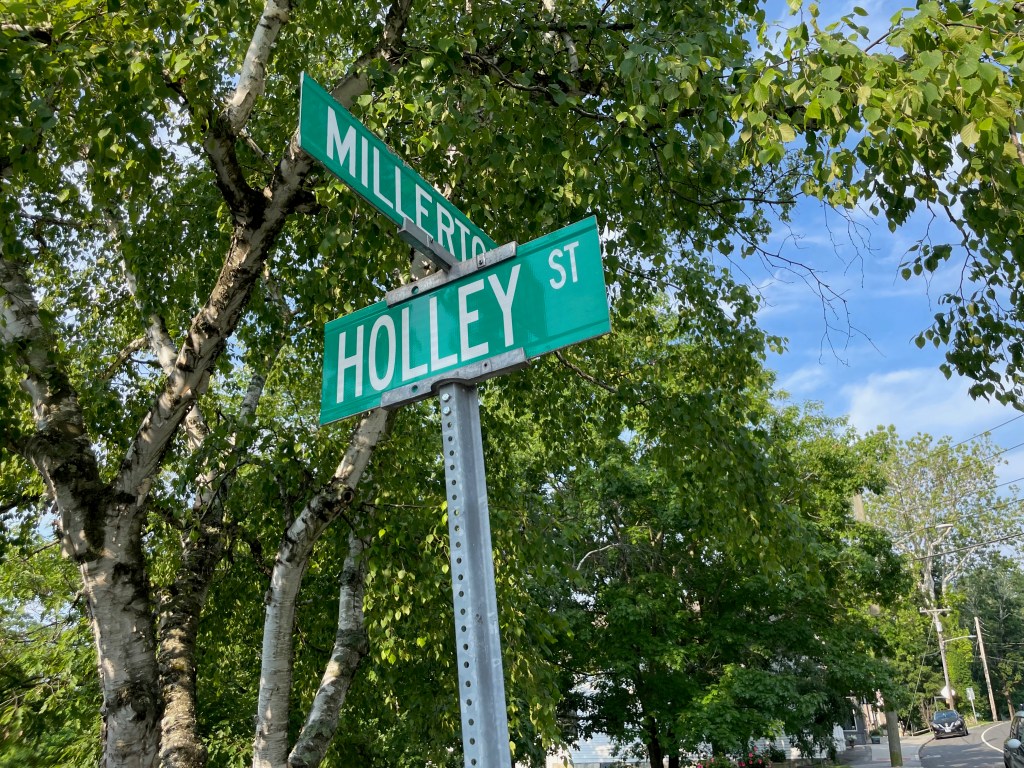
The next morning, I had a really quick ride from the Interlaken Inn.  At 7:40 a.m., I headed back on Route 112 and turned right onto Route 44 into the “center” of Lakeville, arriving at 7:46 a.m.  This area of Connecticut was very close to the New York border, as Millerton New York was just two miles from there.  The total mileage was 3.3 miles.

About Lakeville in the 1930s

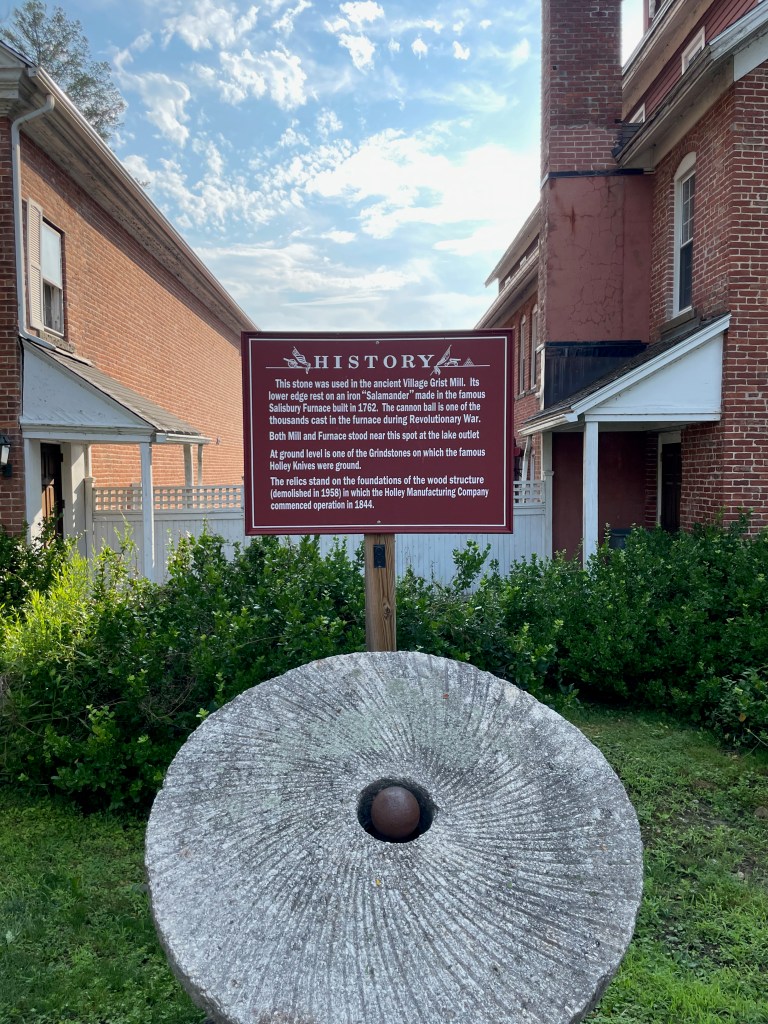
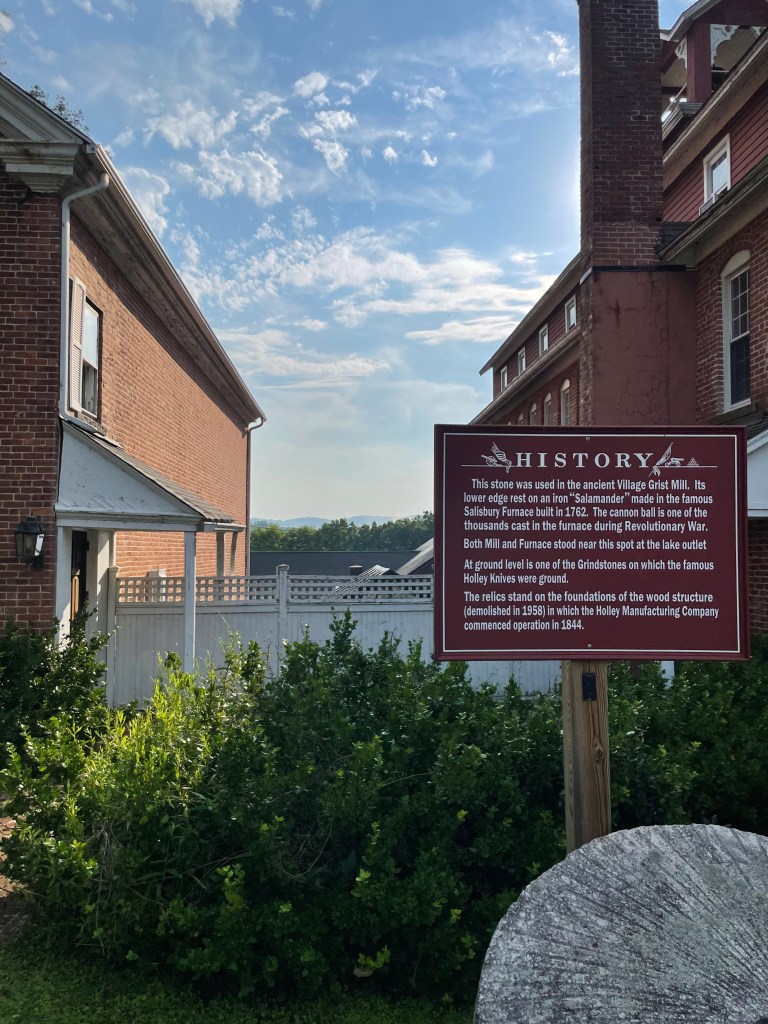
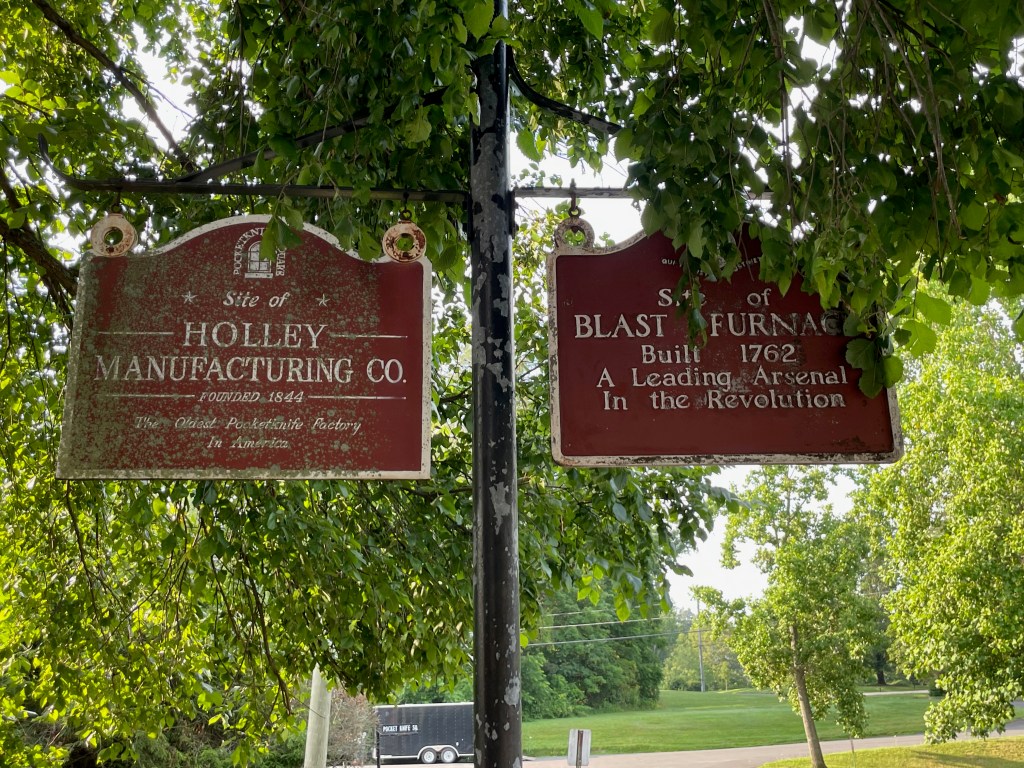
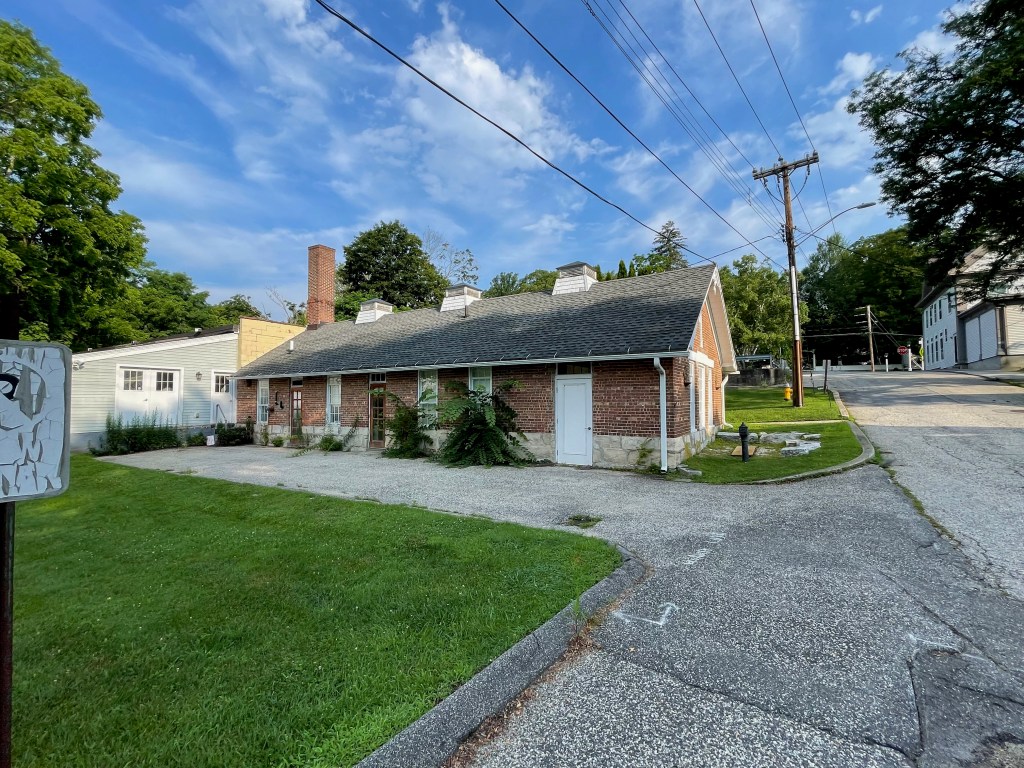
In the guide book, it describes Lakeville as “the trading center” of Salisbury.  The altitude there is 800 feet above sea level.  The Holley Manufacturing Company Plant sits at the intersection of Routes 44 & 41.  Holley Manufacturing was the first company in the country to produce pocket cutlery.  The guide also describes the Hotchkiss School, an exclusive boarding school (which is still there) and Lake Wononscopomuc. 

About the Gateway Inn:

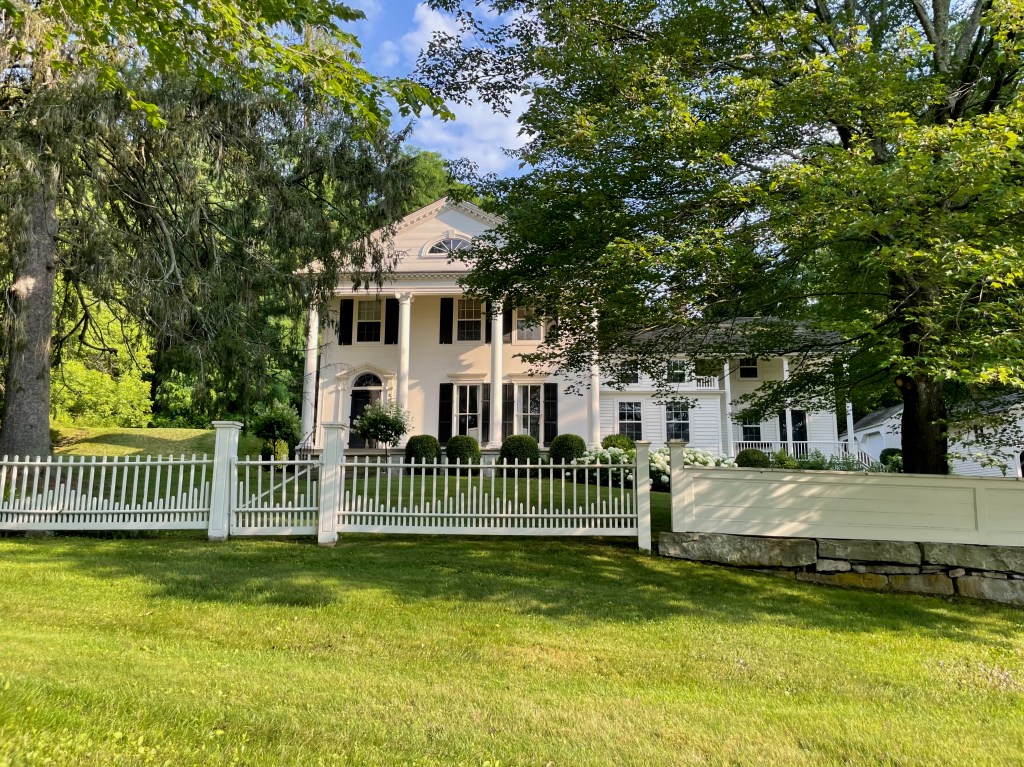
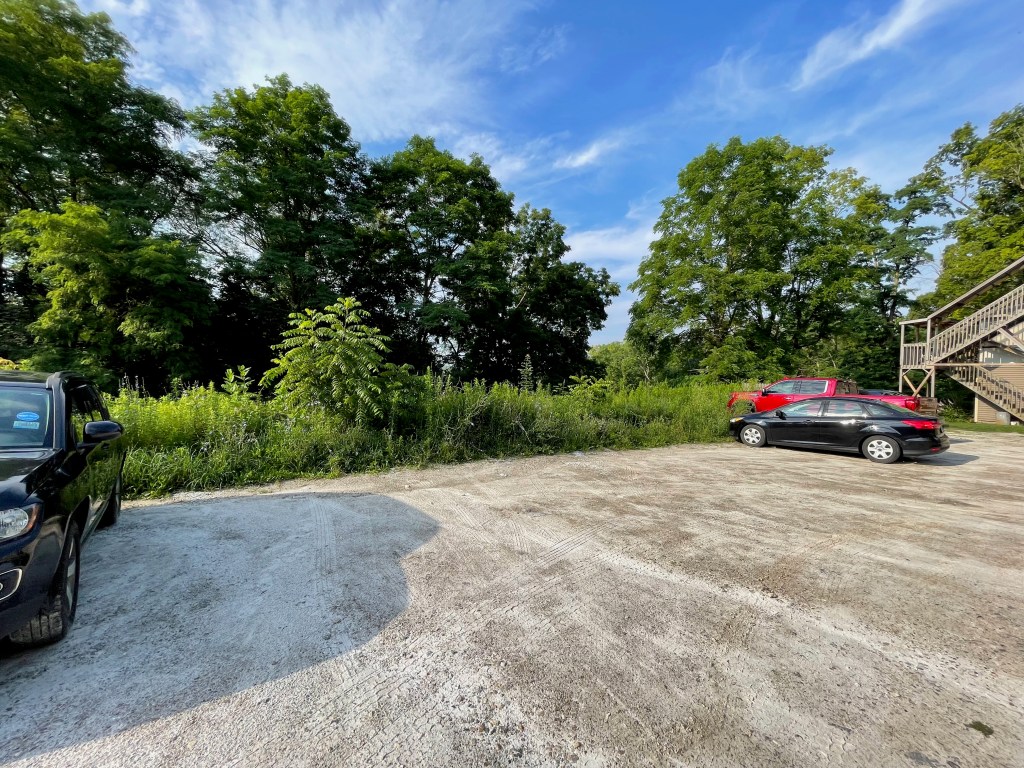
It was surprisingly difficult to find out information about the location of the Gateway Inn.  On the Salisbury Historical Society page, there were a lot of oral histories that discussed the Gateway Inn.  Some of the people interviewed discussed a swinging bridge leading from the Gateway to the lake.  Others discussed that it was near where there is an apartment next to the site today.  I have found on this set of trips that the Town Historians were very helpful and the Salisbury Town Historian was no exception.  She told me the following information: “First the Gateway Inn was not located on route 112, but on route 44 next to the Holley William House. It was first called the Wononsco (probably a shortened version of the name of the lake) House and later the name was changed to The Gateway. The earliest date I can find for this building is 1875, All that is left of it now is a large stone retaining wall. I believe it was razed in the late 1960’s.  It was run by the Peabody family until 1923 when it was sold to Mr.W. L. Laurens. At that time the name was changed to the Gateway Inn. Nothing is left but a stone retaining wall now.”  She also scouted it out for me on her ride home where she noted the location of what was the Gateway Inn was at 27 Millerton Road.   

Notes from the letter:

February 25, 1932. The Gateway Lakeville Connecticut. 

Well dear, here I am back to the old grind, traveling.  I believe there are only five guests here tonight. This place is immense. I had to leave early this morning so I could get as much business as I possibly could. Dear when we are all married and living in Hartford. I am going to take you on this trip. It is really beautiful. All the roads are through mountains and I would try to imagine the beauty is just incomparable, anywhere during the summer or fall I’ll not forget to have you see all this beauty around these pots. This town of Lakeville is called the Geneva of this county.  In the winter when there is a good amount of snow and ice it is quite gay and fashionable. I seem so insignificant sitting here in this large lobby, all alone not even the clerk or the desk is in front Where someone is. I have the radio going and strange to say they are playing all along and my thoughts are of you.

If you happen to have a map handy, you will notice that I am in the northwestern corner of Connecticut between New York and Mass.   

He also includes a poem in this letter,

Trees by Joyce Kilmer

I think that I shall never see

A poem lovely as a tree.

A tree whose hungry mouth is prest

Against the earth’s sweet flowing breast;

A tree that looks at God all day,

And lifts her leafy arms to pray;

A tree that may in Summer wear

A nest of robins in her hair;

Upon whose bosom snow has lain;

Who intimately lives with rain.

Poems are made by fools like me,

But only God can make a tree.

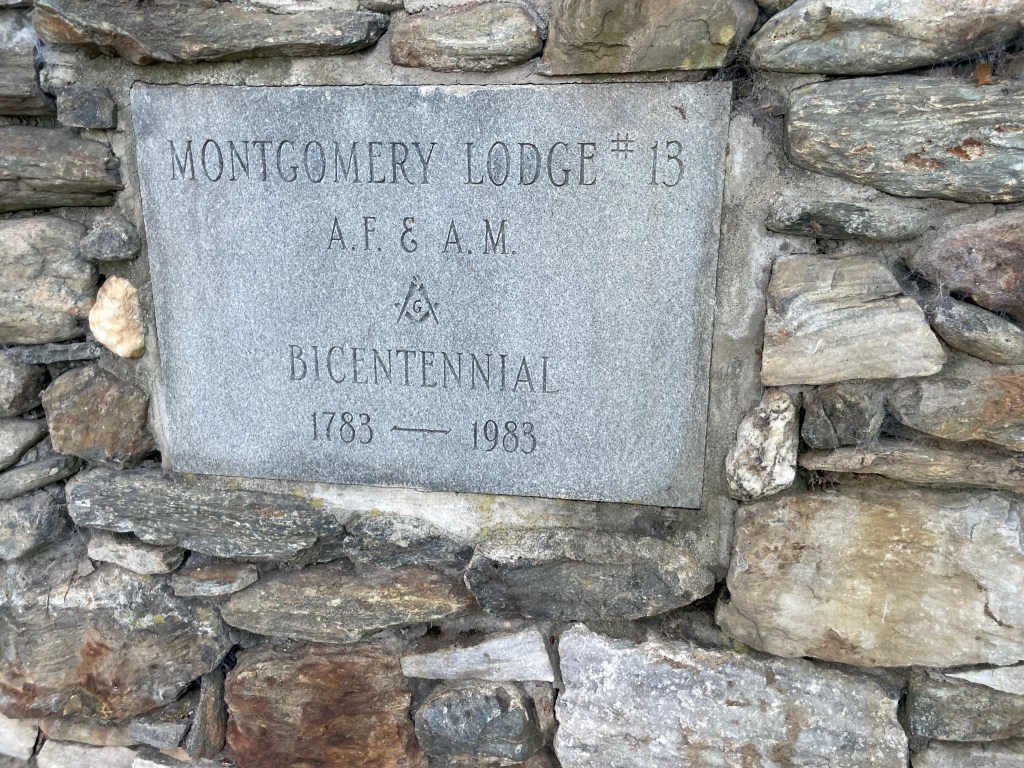
COFFEE SHOP/Notes I didn’t stop there anywhere for coffee as I had just had a cup of tea at the Interlaken Inn.  The location of where the Interlaken Inn was located stays a mystery in my mind.  In front of 27 Millerton, there was another house.  If there was a retaining wall, it was obstructed by lots of overgrown bushes. It also didn’t make sense in that in the oral histories, people talked about a bridge that went across the pond in back of the inn. This location was across the street from a pond.   So on what I perceived to be a retaining wall across from there, had two plaques.  One said Montgomery lodge number 13 bicentennial 178 -1983.  There was also another semi retaining wall next to the pizza shop.  It was disappointing not to know where this was located.  I reached back out to my resource and she interviewed two long time citizens of Lakeville who said “The Gateway Inn was next door to the Holley-Williams House . There is a private house there now behind all the shrubbery. #27 Millerton Road.

 Directly across the street by Deano’s Pizza was the entrance to the swinging bridge. It was rickety and some planks were missing. It went from the  other side of Rt 44 to the road that led to the lake and over the small pond where kids used to fish. (Factory Pond) There were huge snapping turtles in that pond at the time. The bridge was eventually demolished for safety reasons.”

So, it still doesn’t make sense to me that such a large structure was located there. 27 Millerton has been on that site since the 1860s and postcard pictures of this inn showed a really large building and my grandfather also described it as immense.  Anyways, it was indeed a mystery.

STOP SIX:  TORRINGTON (population 35,357) – The Conley Inn, 93 Main Street

High Roads and Low Roads (Tours)- Tour  5 

  • Get back onto Route 6 to Route 8 North

Travel Notes:  Tour 5, which involved Route 8, ended up being a 2 to 3 lane 65 mile per hour highway, so I went 12.8 miles in 24 minutes.  It was mostly a rural ride, with the mountains appearing to the north.

About Torrington in the 1930s

In the Guide Book, Torrington had a population of 26,040 people.  It was also described as an industrial center, manufacturing products such as sewing machine needles, woolens, lathes, skates, electrical goods and hardware.  

About the Conley Inn:

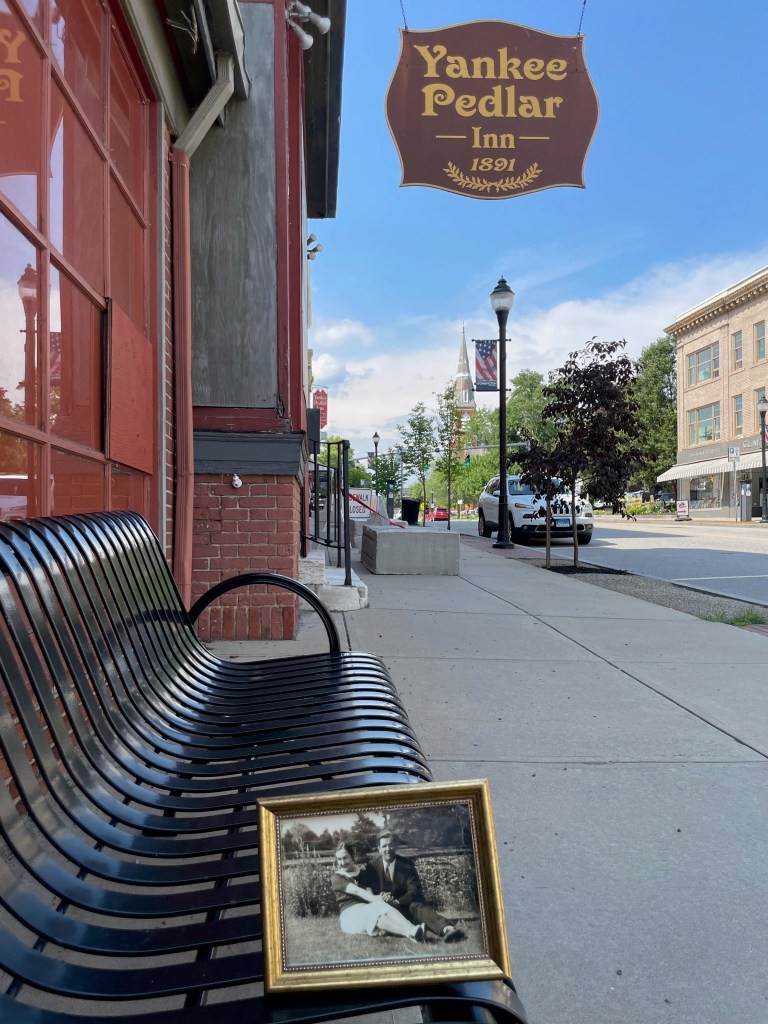
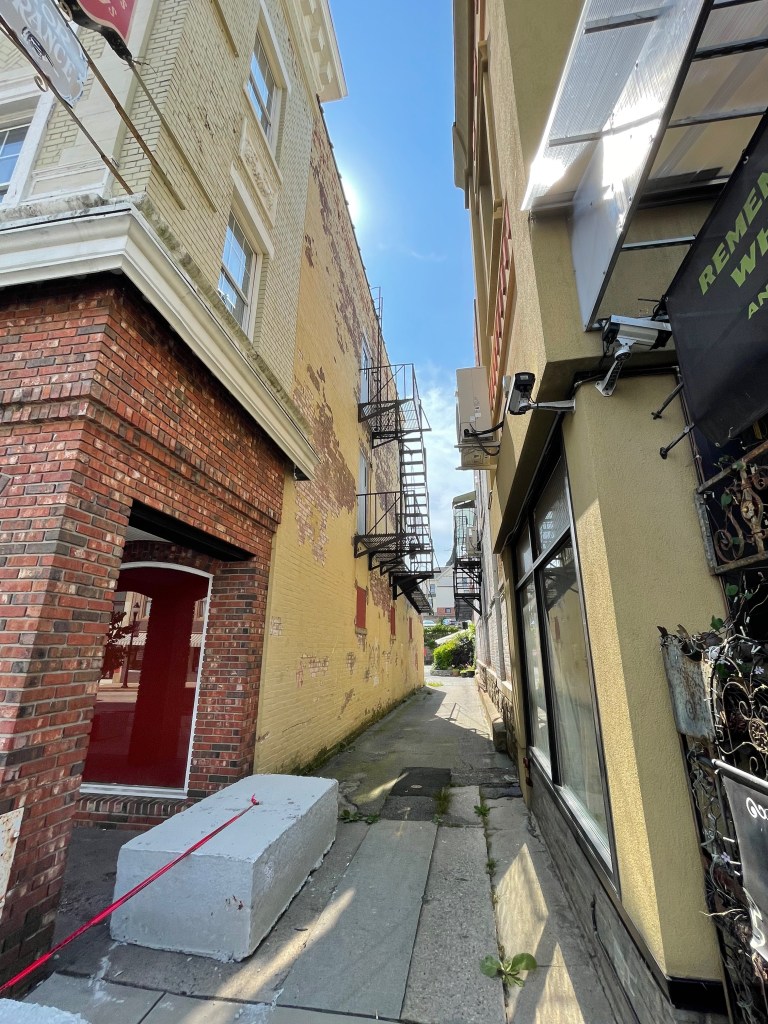
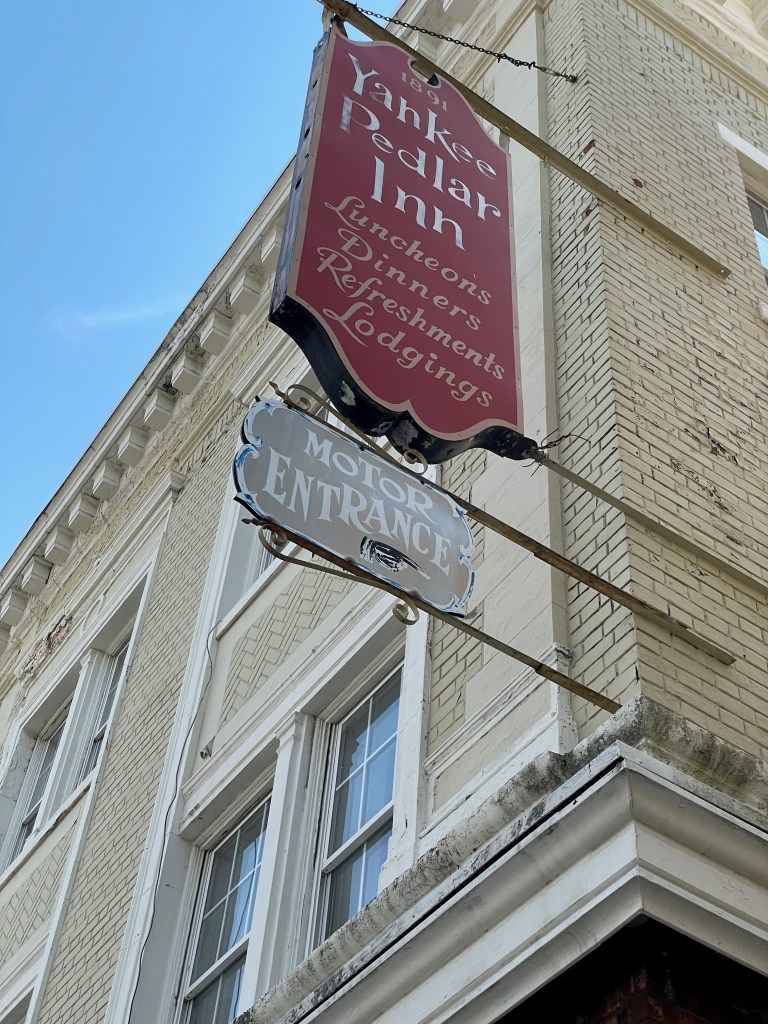
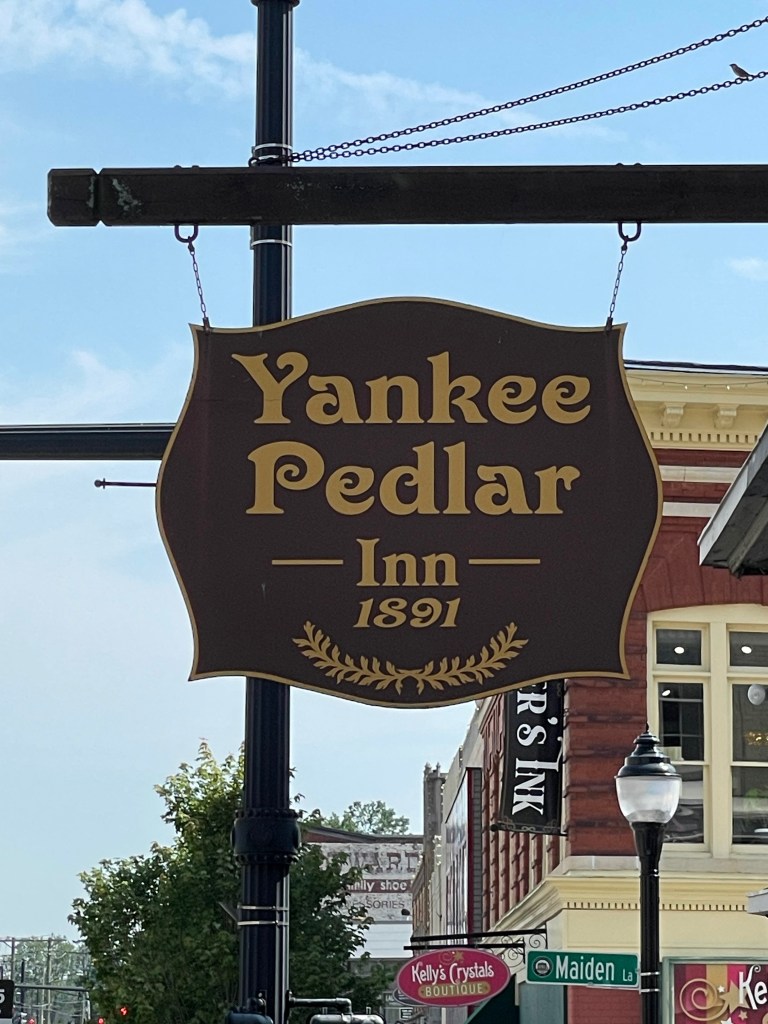
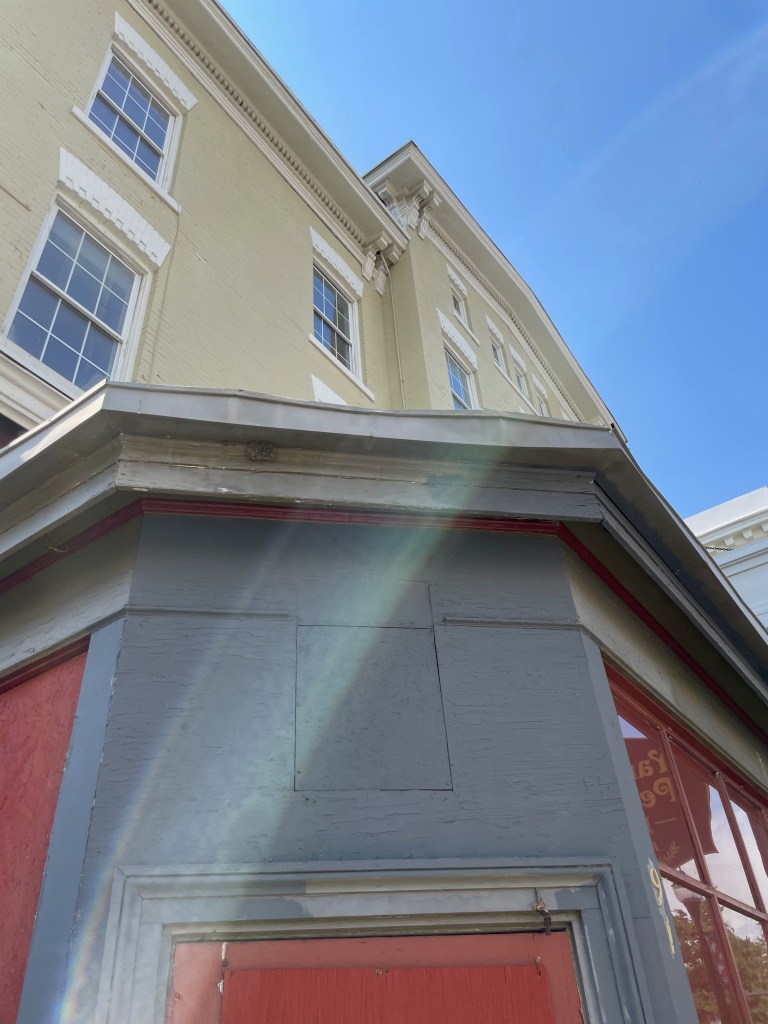
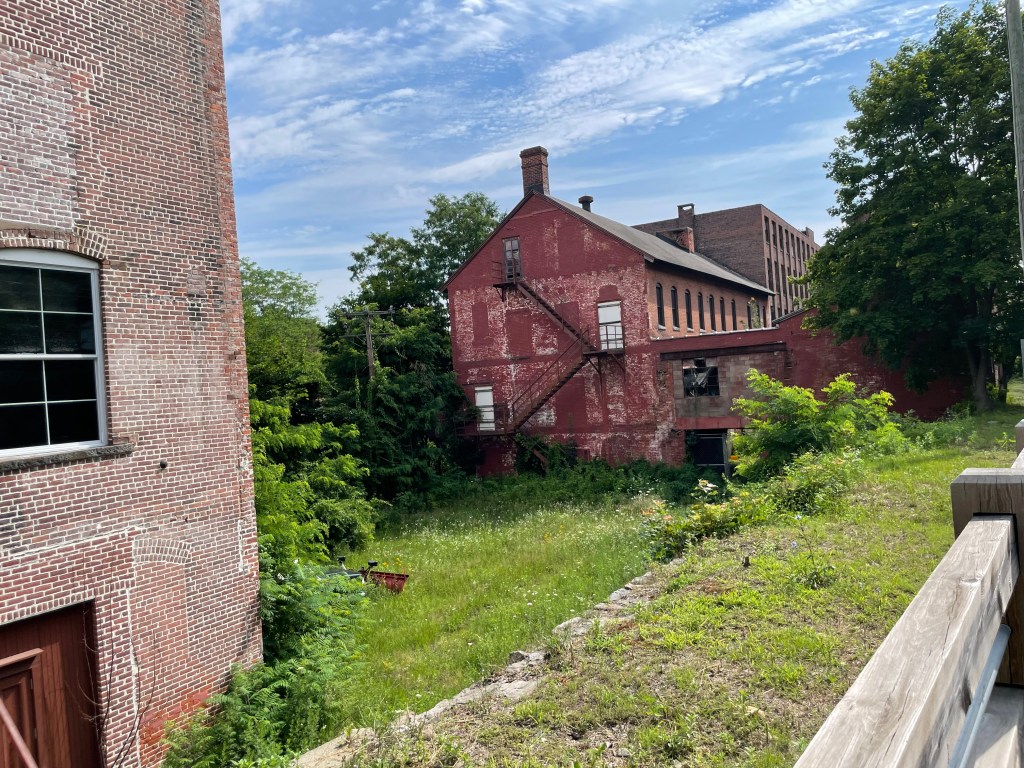
Conley Inn was built in 1891. It had 52 rooms and was done in the Victorian style. The pub was called the Yankee Pedlar and in 1956, someone else bought it and called it the Yankee Pedlar. It is said to be haunted. It has been abandoned for many years and Torrington is taking the owner to court and it wants receivership of the property. My grandfather also spoke about going to a “brook”.  There are two potential “brooks” around there – the Naugatuck River or the East Branch of the Naugatuck River.
Notes from letter: February 26, 1930. Torrington Connecticut. Conley in.

Hi, I have just gotten in my dear at 7 PM after working like a dog all day long. Last night after completing your letter I went downstairs to mail it. What time do you think it was? One minute to eight and the train was leaving at eight. I made a beeline for the station and got there just as the train was beginning to pull out. I ran after it, and dropped it into the mail car as it was leaving the platform. I don’t believe I ever ran that fast in my life.

Last night after mailing your letter, I got back to the hotel and tried to read some, but I could not so I turned off my lights and fell asleep. I got up at about six as I could not sleep anymore. I got dressed and went out on a long walk. I stopped by a lovely brook and sat down on a rock and just fell into a trance. I sat that way for almost an hour, and as it was getting cold, I walked back and had breakfast then I started in for this town getting there at 8:30. I read your letter and went to work and I have told you that I just got in. I have not eaten as of yet so I am hungry but the mail leaves for Boston at 7:50 so I am going to get it in soon. The hail began, and as it would fall on my windshield, it would freeze quite unpleasant after the hail it began to snow, and it is still at it. I think that if it keeps up by tomorrow, it will be quite high. I don’t know what Gus Sillery  has told the store keepers in this town but I seem to think that they believe I am a king or something of the sort for after trimming their window. They asked me to put in the other one and of course I could not refuse so I did them all. They asked me what I wanted to drink. The fellow I was in before had invited me out to lunch and paid for it;  he would not allow me to do it.  I believe I  had at least five milkshakes, one frappe, two toasted cheese sandwiches, two chocolate cookies and coffee, cigarettes, and a few cigars. I really don’t know what to think. I put nine displays in and they were all pleased with them. Of course I won’t report them for that would be killing the job. I’ll report seven and let the others go. Some appreciate my work. It seems for Gus must have given them to believe that I would be a leader and I am far from that but I’ll just keep on plugging along. It won’t hurt anything and I have told you how Gus and I stand. If I don’t stop writing you may fall asleep on me and I have just a little time left. I have gotten on the scale today and it surprised me that what I weigh without my overcoat is not true. Tomorrow evening I will get back to Hartford and I’ll see you again as usual so take care of yourself.

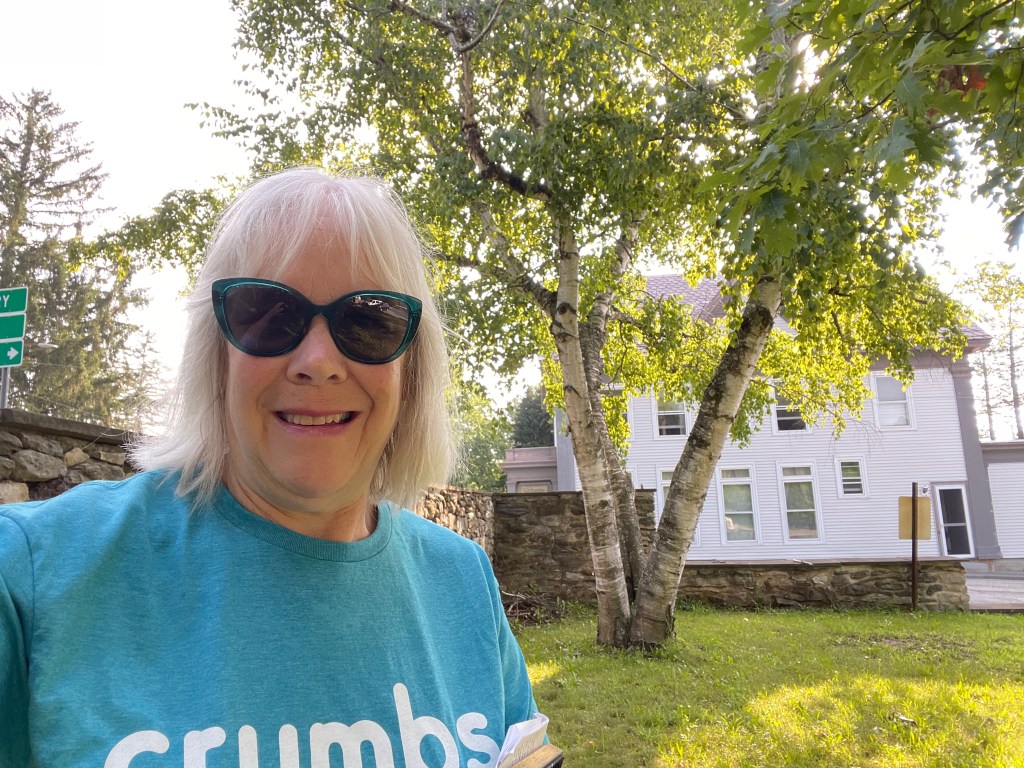
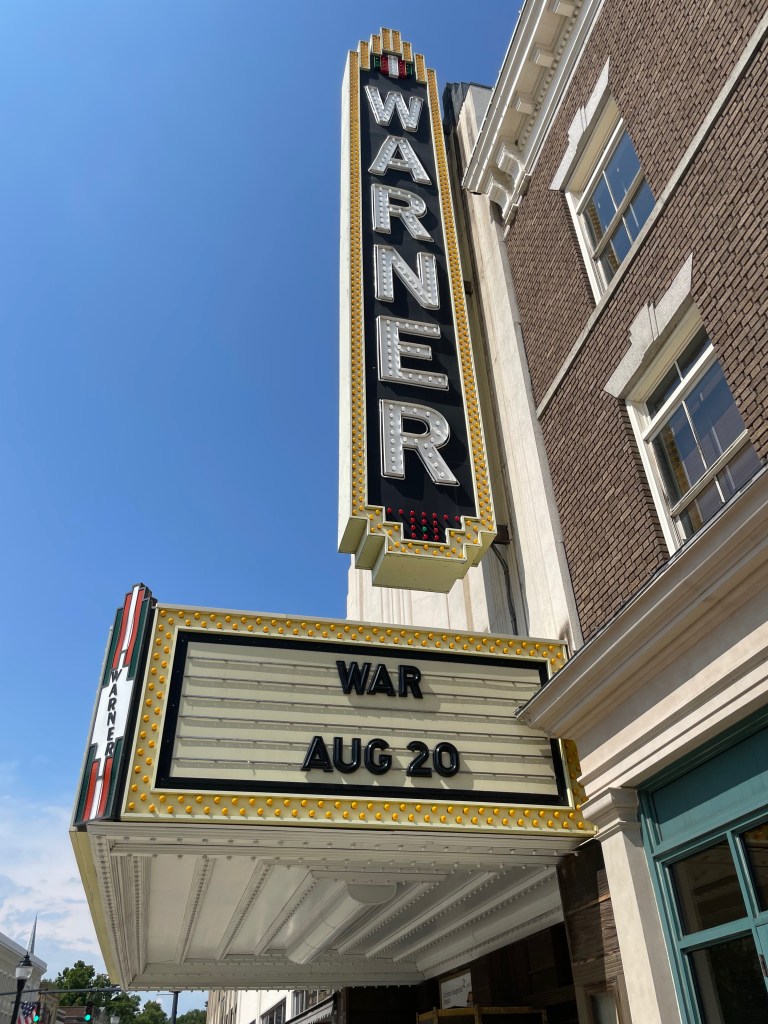
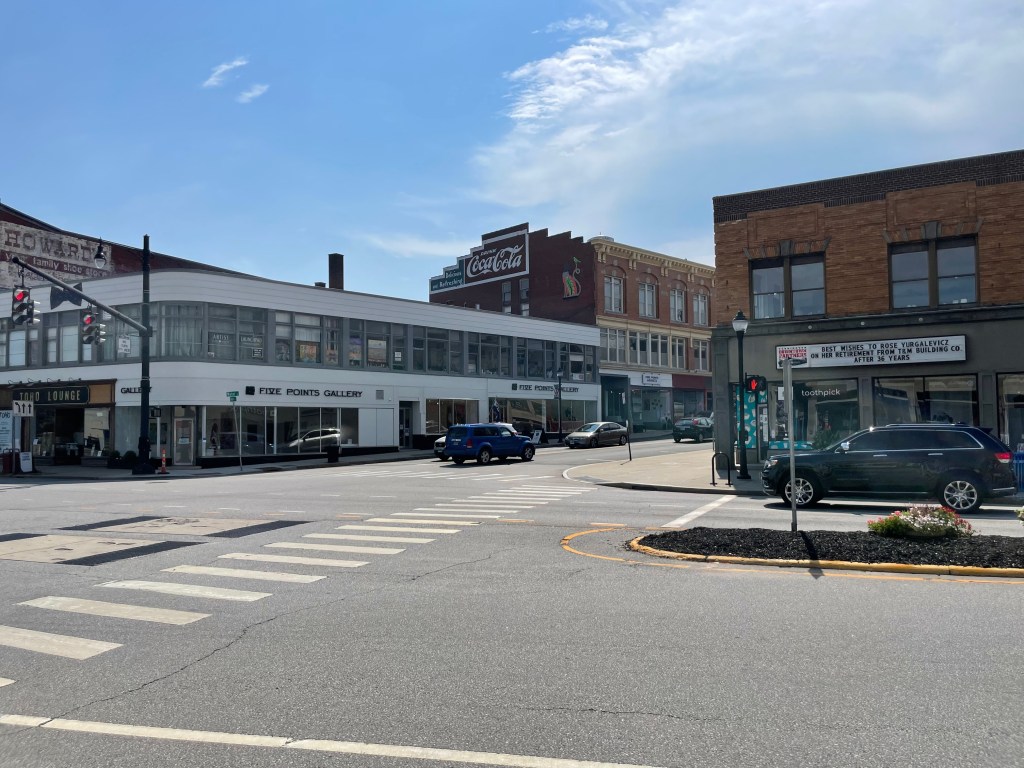
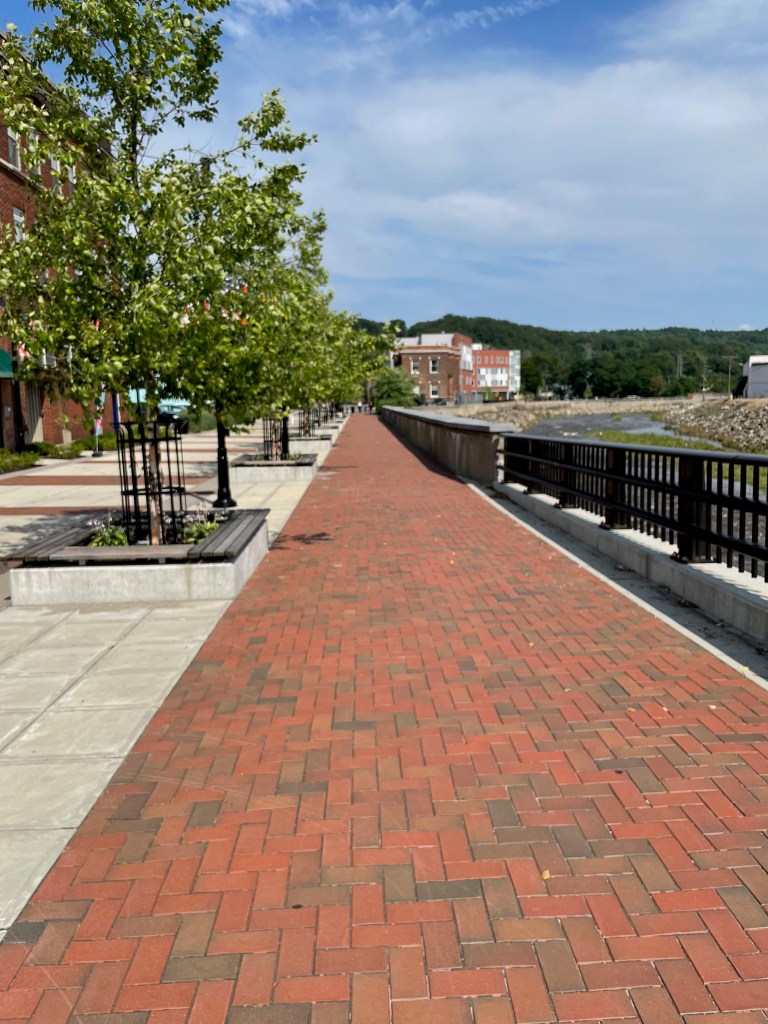
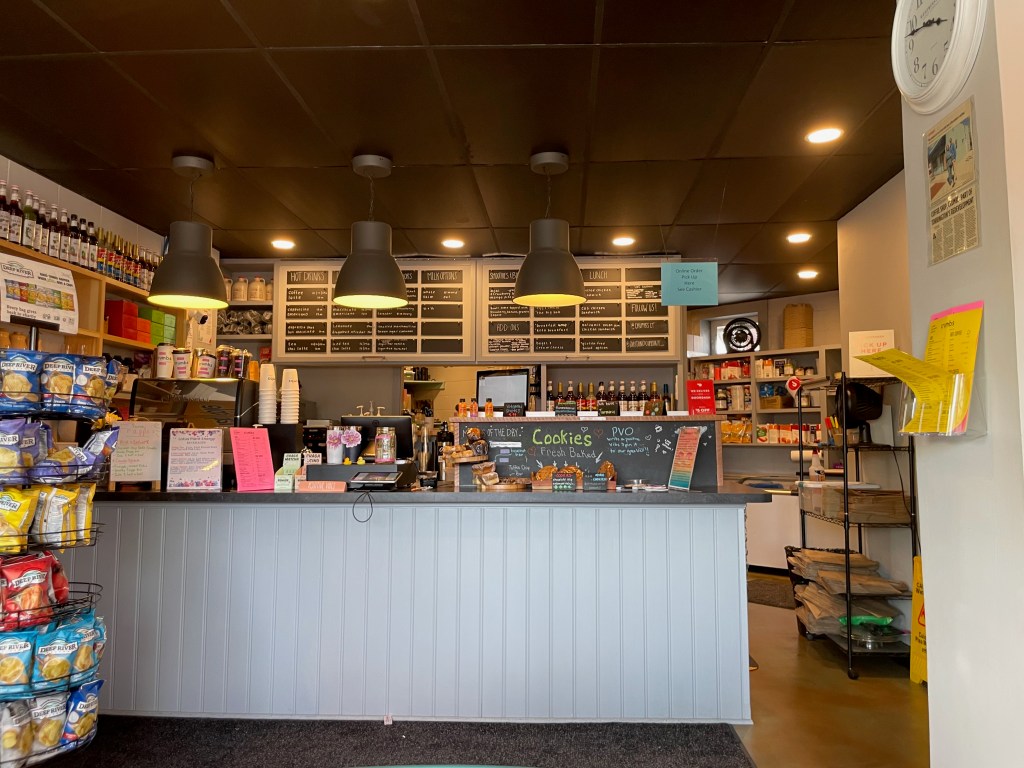
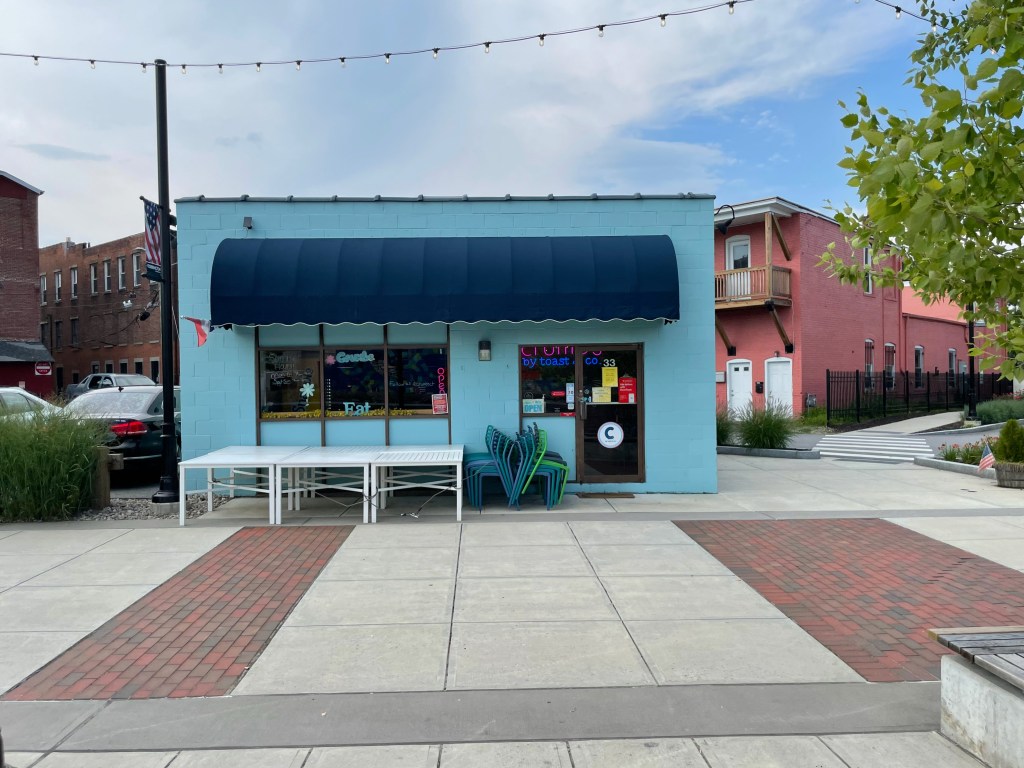
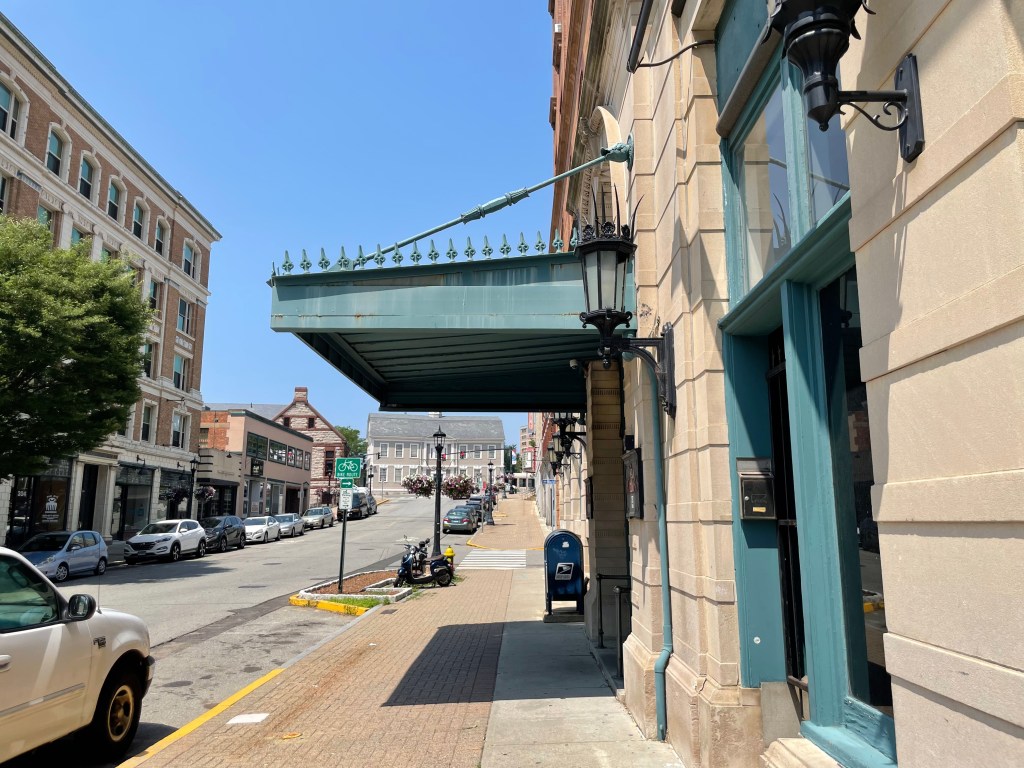
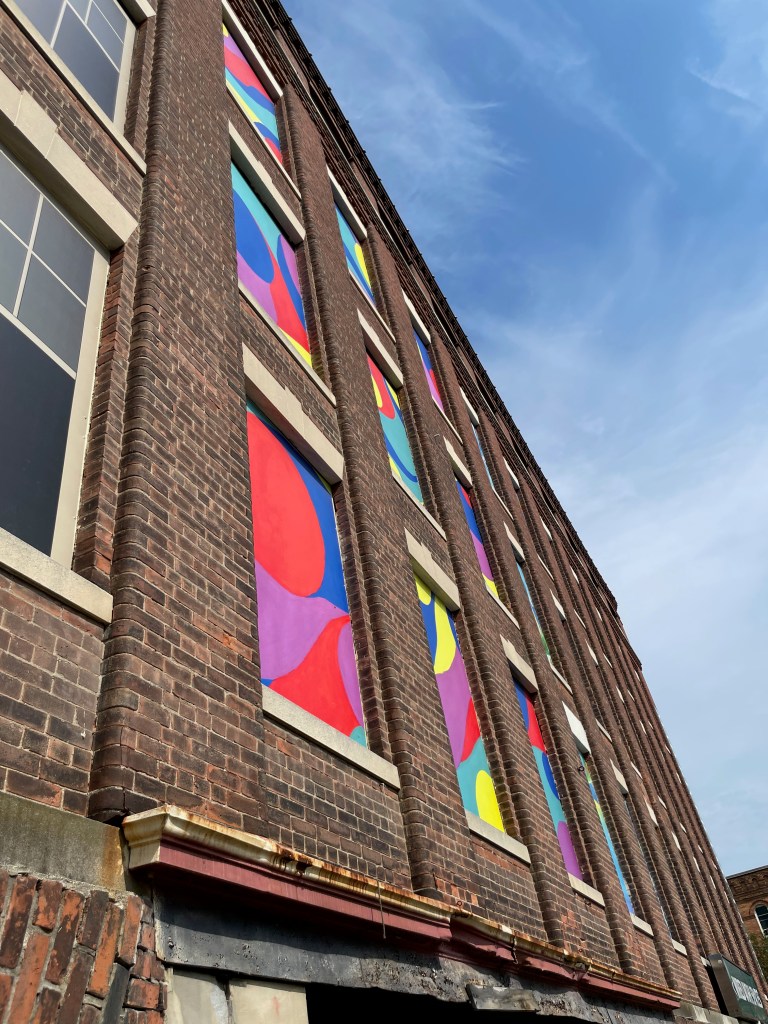
Coffee Shop & Notes about Torrington: Crumbs by Toast & Company – really neat little place right by the river walk.  I had a lavender lemonade.  The former Conley Inn looks to be a beautiful building.  I spoke to a local who said that the current owner owes a lot of taxes and the town is trying to take it.  He said that this old mill town is being gentrified, the town helped renovate the old theater, which is named the Warner.  The town is more suburban and would be a location where one could commute to Hartford.  It is the largest town in Litchfield County.  There was a beautiful riverwalk along the banks of the roaring Naugatuck River. I stayed there for 34 minutes
STOP FIVE:  Warner’s Corner, Thomaston (population 1730) – Warner Lane

High Roads and Low Roads:  no direct tours here, so will rely on Google maps to get me from New London to Thomaston, avoiding highways.

Trip Notes:  Long – it took me 142 minutes to travel the 70 miles.  Many of it was very urban, very Route 9ish (I was on Route 6 for a long time!) There were some pretty big hills.  I only stayed for 8 minutes. There were many gas stations and Dunkin Donuts on this trip. (this will become important during tomorrow’s trip)

About Thomaston  and A.B. Sillery:  The “A” stood for Augustine, which would explain my grandfather calling him “Gus”. In the 1930s census, it described that he lived “Waterbury Street, extending into South Warner Street (#510). Other information found in this census was that he rented and paid $45.00/month. He owned a radio, he was currently 42 years old and 23 years old when he was married. He did not attend school but could read and write, he worked as a tobacco salesman, spoke English, was married to Marian who was 3 years older than him, and they had 3 children – son Clark age 11, daughter Mercedes, age 9 and son Charles, age 7. The children all were attending school. In the 1920’s census, Augustine and Marian lived in New Haven and his job was listed as a traveling tobacco salesman.

In the guide book, Thomaston had a population of 4188.  The main industry was the Seth Thomas Clock Company and other industries were automatic machine parts and the manufacture of brass goods.  

Notes from letters:

The next set of letters are written by a person named  A. B. Sillery,  who lives in Warner’s Corner, Thomaston, Connecticut. On the letterhead is artwork of the Edgeworth brand tobacco, and it says, representing Larus and Brother Company, Tobacco Manufacturers, Richmond, Virginia.

The first letter was written on December 23, 1931. It is addressed to my grandfather at 23 Chestnut St. in Cambridge and is typed. It reads: Dear Jason, your letter of the 21st came duly to hand. I am glad to know that you are pleased to join the salesforce in Connecticut, and to work with me. As you know, the territory you are to work in is the best section of this division, and I see no reason why you shouldn’t make good. I will meet you Monday morning January 4 at the Bond Annex in Hartford. In regard to your registration and markers Mr. Hall had already given me the necessary information to make out an application for you and had sent the check to cover the same. Before hearing from you, I had mailed your application to the motor vehicle department, requesting that the registration card be sent to 156 Milk St. in Boston. I mailed your registration application Wednesday, December 23 And your registration card and markers should reach the Boston office early this week. With best wishes for the new year and hoping to see you Monday the fourth in Hartford.  I am very truly yours.

February 18, 1932 another letter but this one is hand written instead of typed so it says, “Dear Jason, the motor vehicle department has in some way lost the application cards for registration of the cars in this territory. I was able to obtain all of these but yours today as I didn’t know the year or model.  They told me it would be OK for me to fill in and rush off the application and sign it.  By the way Capitol bought White Bond cigarettes today.  so when you pick up a few of these. With kind regards Jason, Hastily, Sillery.

February 22, 1932 Dear Jason: will meet you Wednesday morning at the Torrington Candy shop at 8:30 on time,  hoping you spent a pleasant week and hope and see you on Wednesday.  Very truly yours, Sillery

March 7, 1932 Dear Jason,  If you haven’t worked Bristol before you receive this letter please meet me at Moe Hills Thursday morning at 8:30 in that city as I will spend the day with you. Hoping to see you there Jason.  Very truly yours, A. B. Sillery

March 12, 1932  Dear Jason, I received a telegram from Mr. Chute today that you had better not work Willimantic in the coming week owing to orders being held up for the jobber in that city.  In view of this situation, please confine your efforts to Hartford and the surrounding territory, such as Manchester, Rockville, Stafford, Stafford Springs, etc. You have a map of your territory by this time and can govern yourself accordingly. The requisition which I sent in to go to Willimantic will be sent to your Farmington Avenue address as I have requested the Boston office to do so. That includes cob pipes and samples for this month. With kind regards and looking forward to good reports on luxury with the cob pipes. I am very truly yours, A.B. Sillery

Notes from Thomaston

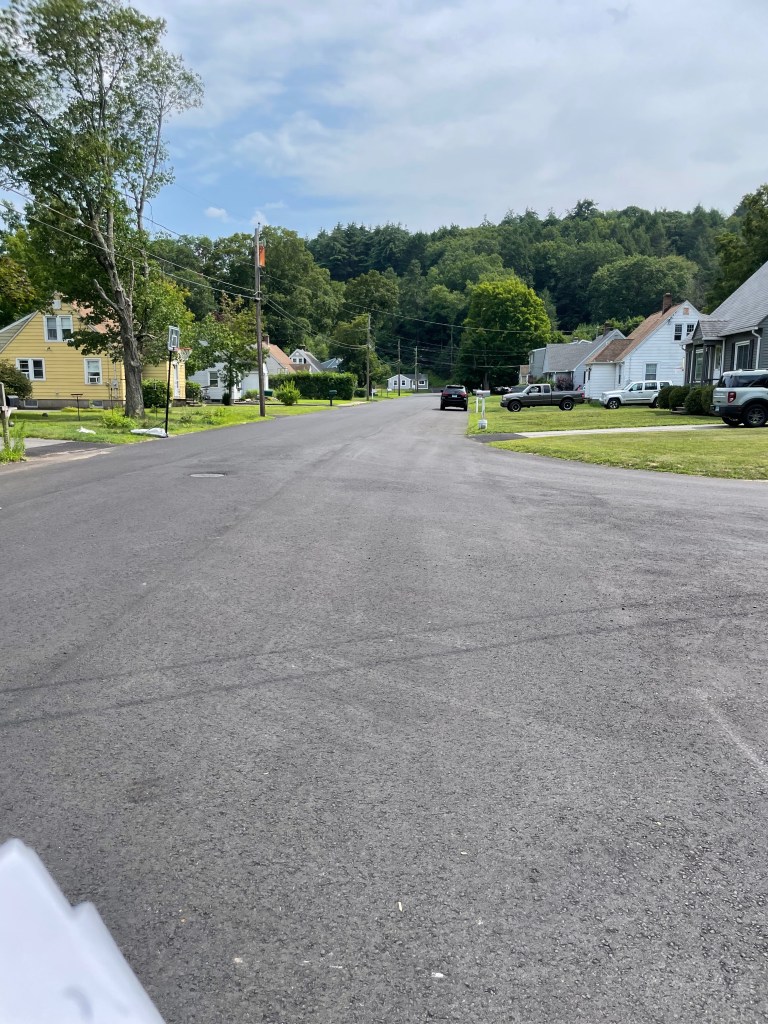
I had a difficult time tracking down where Warner’s Corner was located.  Based on the census location, I found Warner’s Lane.  Thomaston did have a little downtown area, including what looked to be another refurbished theater, the Thomaston Opera House.  Warner’s Lane was a residential street, mainly consisting of Cape style homes.  I could not envision that the house that Sillery rented was still there.  Getting tired, I wanted to get to the next stop, so I did not look for a coffee shop.

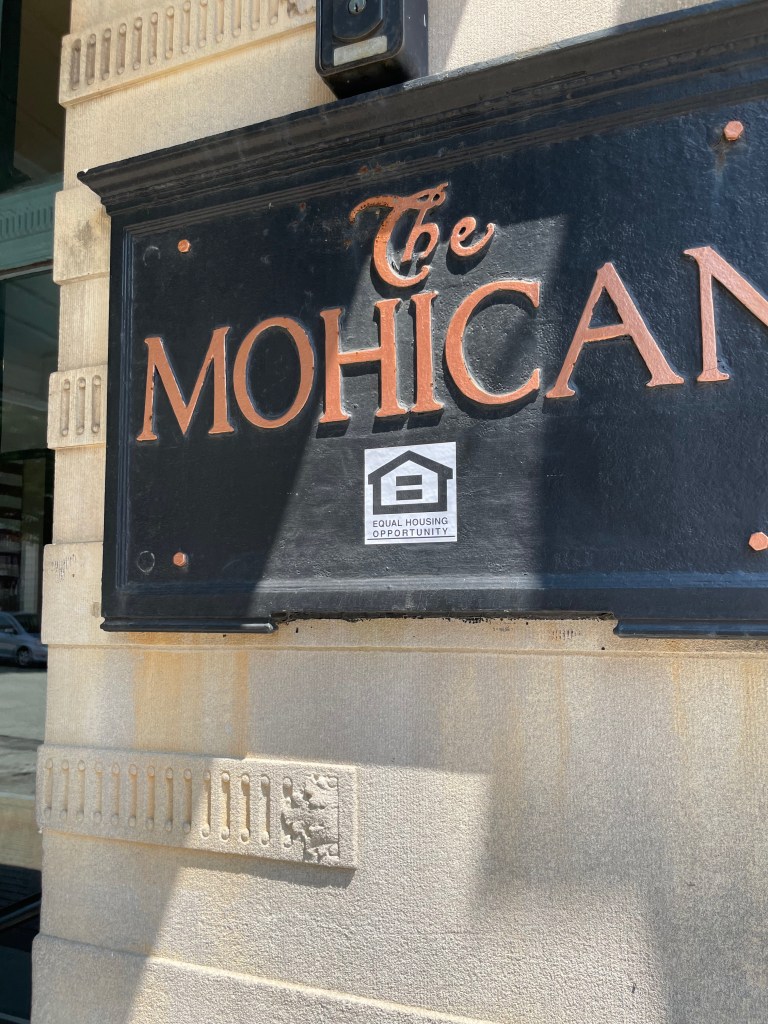
STOP FOUR:  NEW LONDON (population 27,635) – THE MOHICAN HOTEL 281 State Street

High Roads and Low Roads (Tours)- Route 9 

  • Back on Route 32
  • Follow Route 32 for 10 plus miles onto Eugene O’Neil Drive.
  • Turn right onto Governor Winthrop Blvd
  • Turn left onto Meridan Street
  • Turn left onto State Street

Travel notes:  This took me 21 minutes to travel the 11 miles down Route 32.  It became much more “urban” and busy as I got closer to New London.  I passed by Connecticut College, Route 95 on ramps, and the ferry and Amtrak stations.  

About New London in the 1930s

New London had a population of 29,640 when the guide book was published, which is higher than it currently is.  The guide book discusses that there were two hotels and one “legitimate theater”.  New London is found at the mouth of the Thames River and the guide book discusses that in this area, the annual Harvard-Yale boat races being a big attraction in New London.  There were mills discussed that produce silk, printing presses and other types of garments.  

About the Mohican Hotel

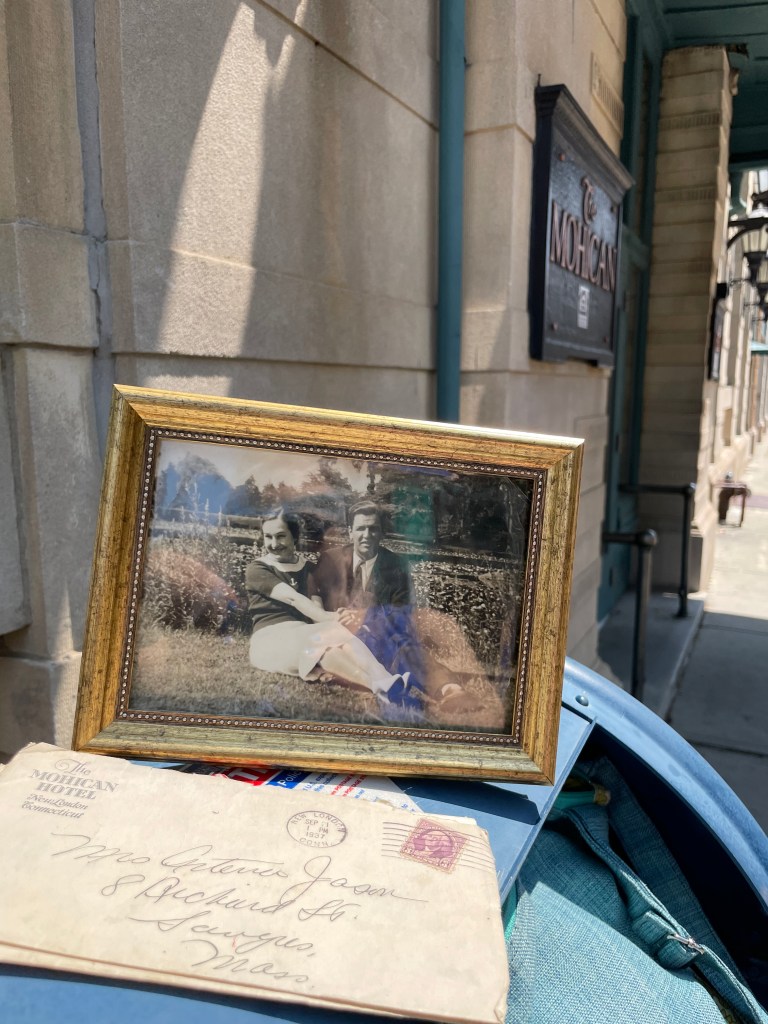
While this building originally opened as the headquarters for a magazine company in 1896, in 1898, it was retooled and turned into the Mohican Hotel. There were two floors and a rooftop garden added in 1916. Today, it is senior housing.

Notes from Letters

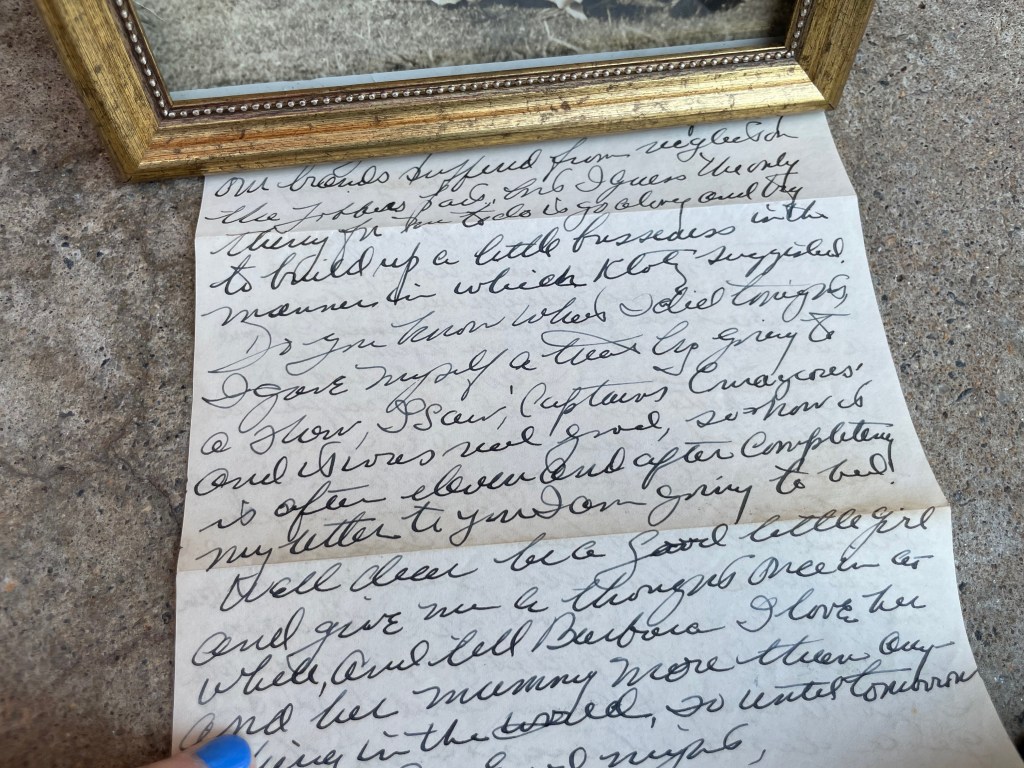
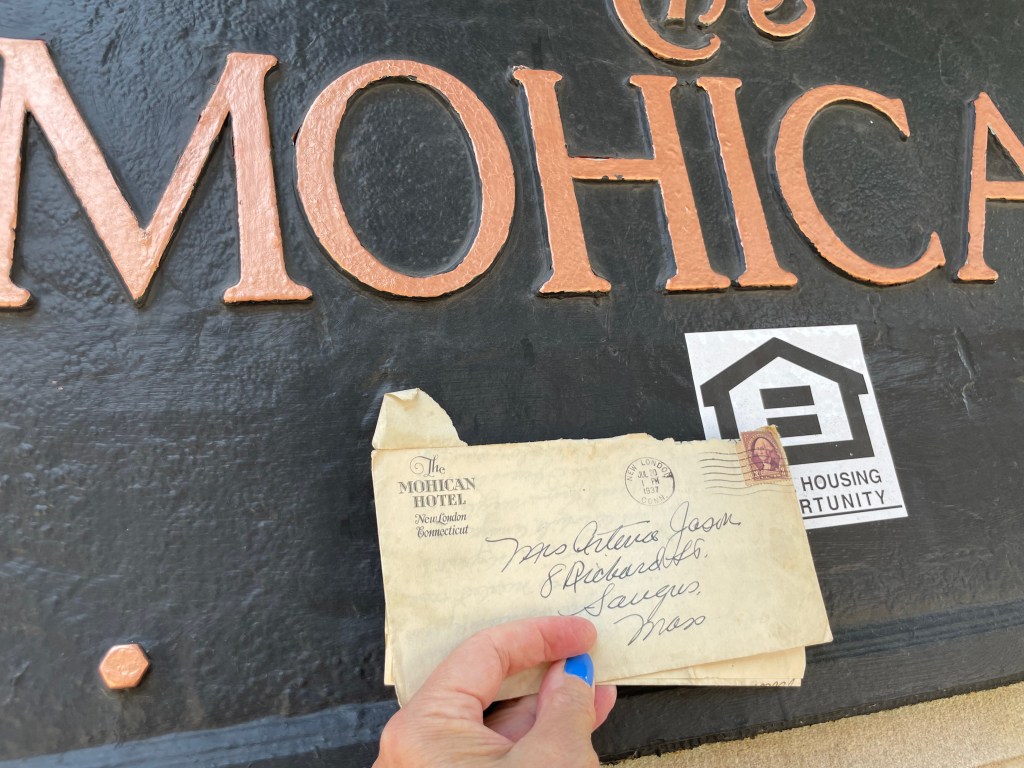
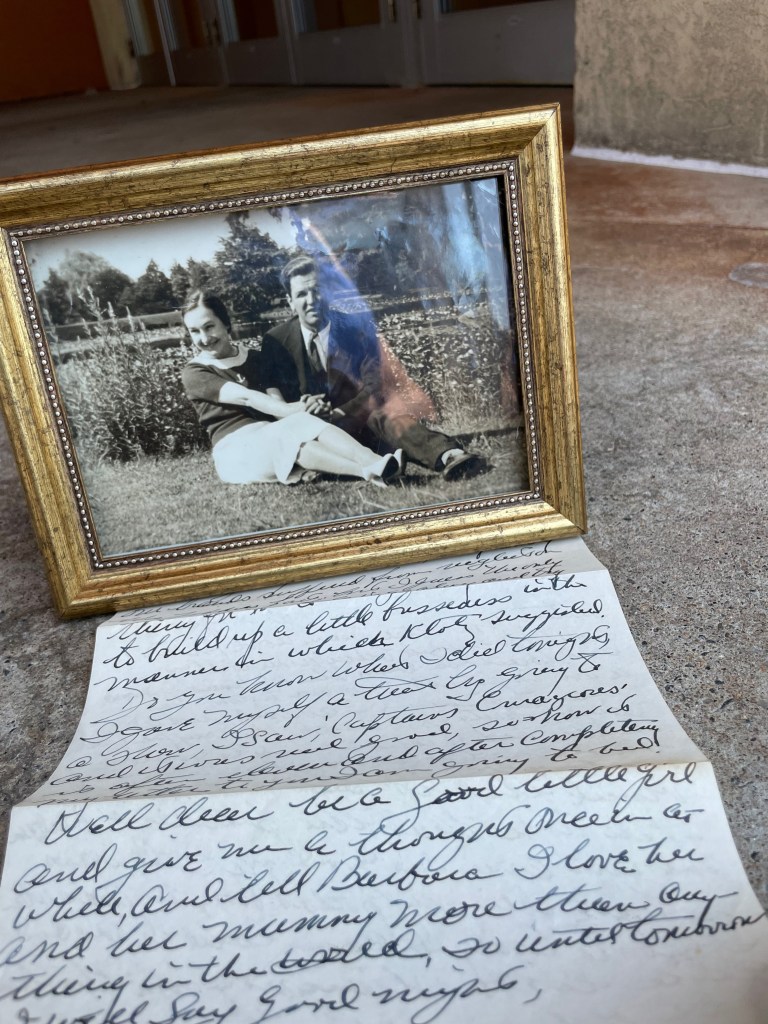
July 20, 1937. The Mohican Hotel New London Connecticut Hi Tee Dear,  I am writing you after being home for two weeks. I enjoyed being home with you and Barbara even though the time seemed to go fast. I arrived here at 8:30 last night. The traffic was rather heavy, and I had to go along slowly most of the way. I do hope that the pictures of Barbara and you come out good for I do want to have them in my pocket book so that when I get lonely, I can take it and get a little strength from them knowing that you two are at home waiting for my return. Gil Martin seems to be a rather good fellow, for he seems to want to help us get along here as easily as possible. The work here is needed really badly because the former person didn’t do anything worthwhile. Consequently, our brands suffered from neglect on the job. I guess the only thing to do is to go along and try to build up a little, something with the manner in which Klotz suggested. Do you know what I did tonight? I gave myself a treat by going to a show. I saw Captain Courageous, and it was really good so now I am slower getting completing my letter to you and I am going to bed.

September 21, 1937. The Mohican Hotel New London Connecticut how is my little family tonight here it is only one day and I am beginning to miss you too. I finally arrived here in New London Sunday night at 9:30. Outside Westerly, Rhode Island, my front tire went flat on me, not the one which I expected but the one on the right side. I only hope that these tires hold onto until next week so that I will buy myself a couple in Boston for I certainly could use a few tonight. We just sat around the lobby until 10 PM and watched the new Navy officers, parading around with their girls, all dressed up in their finery so we decided to go upstairs and go to bed. That is after I write you a brief letter. I think business is going to be tough this week for all the dealers. I had a tough week of business loss last week and it is clearly hard to try to interest them in any further than what they’re already carrying. Now sweet I shall bid you goodnight.

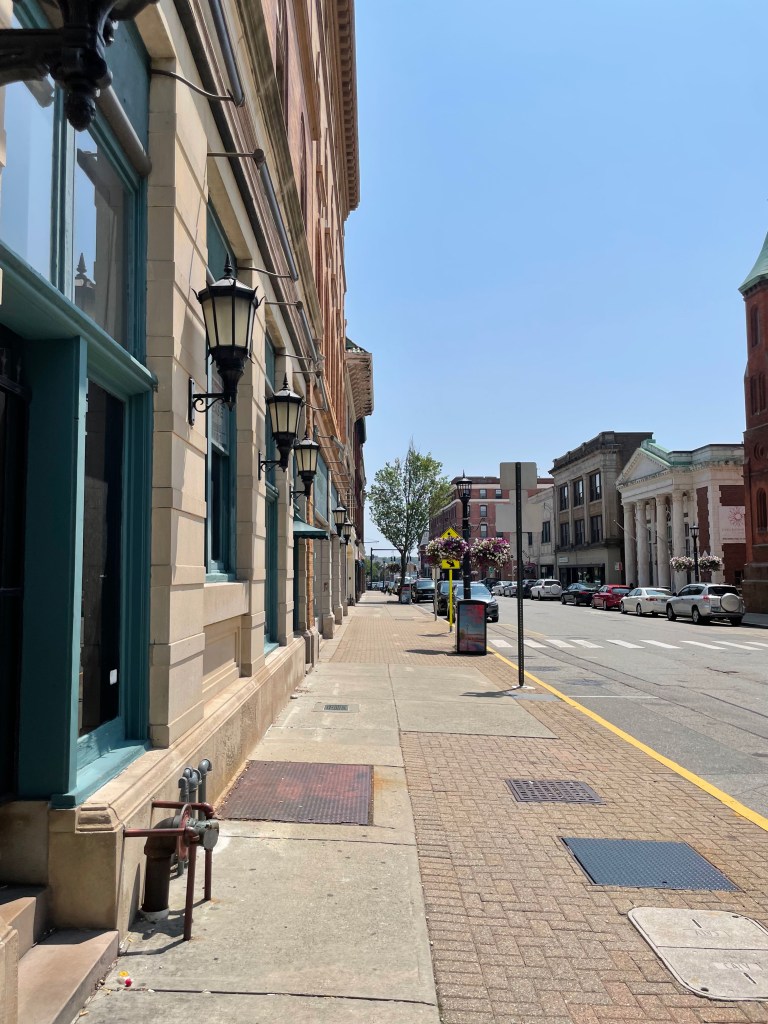
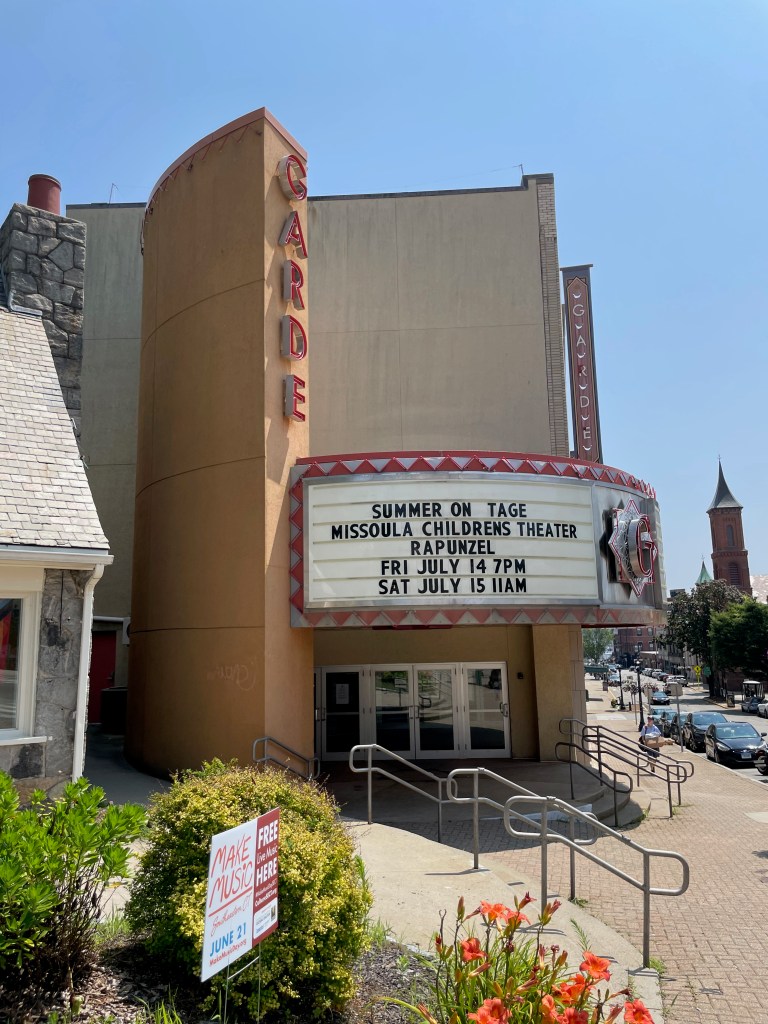
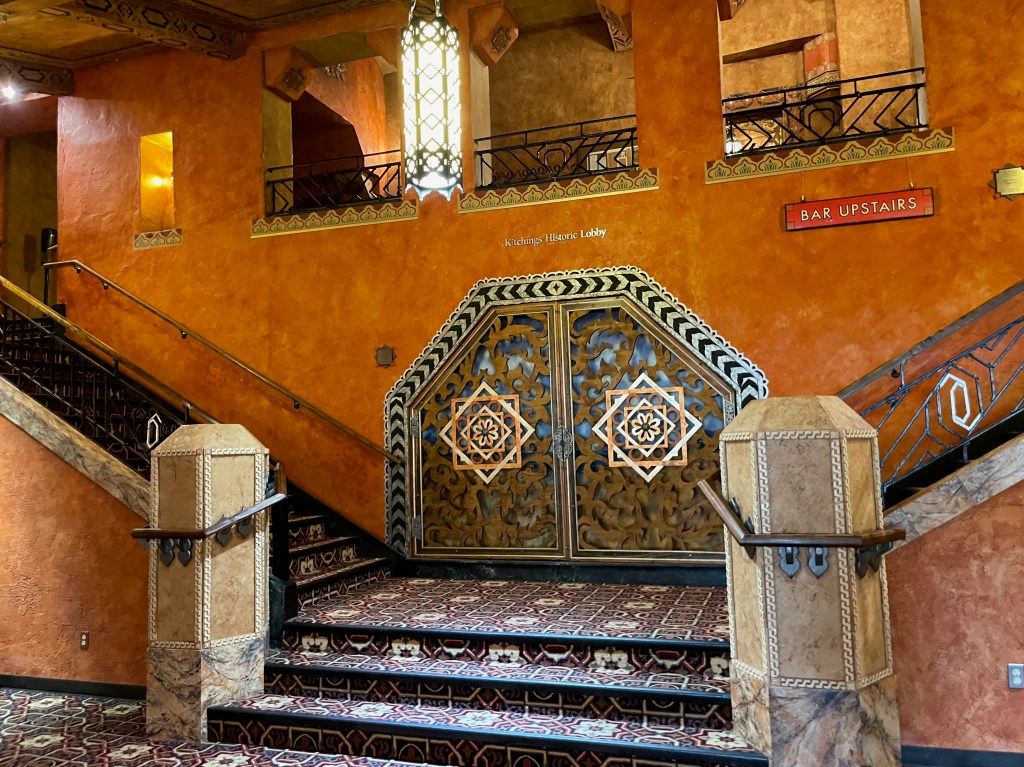
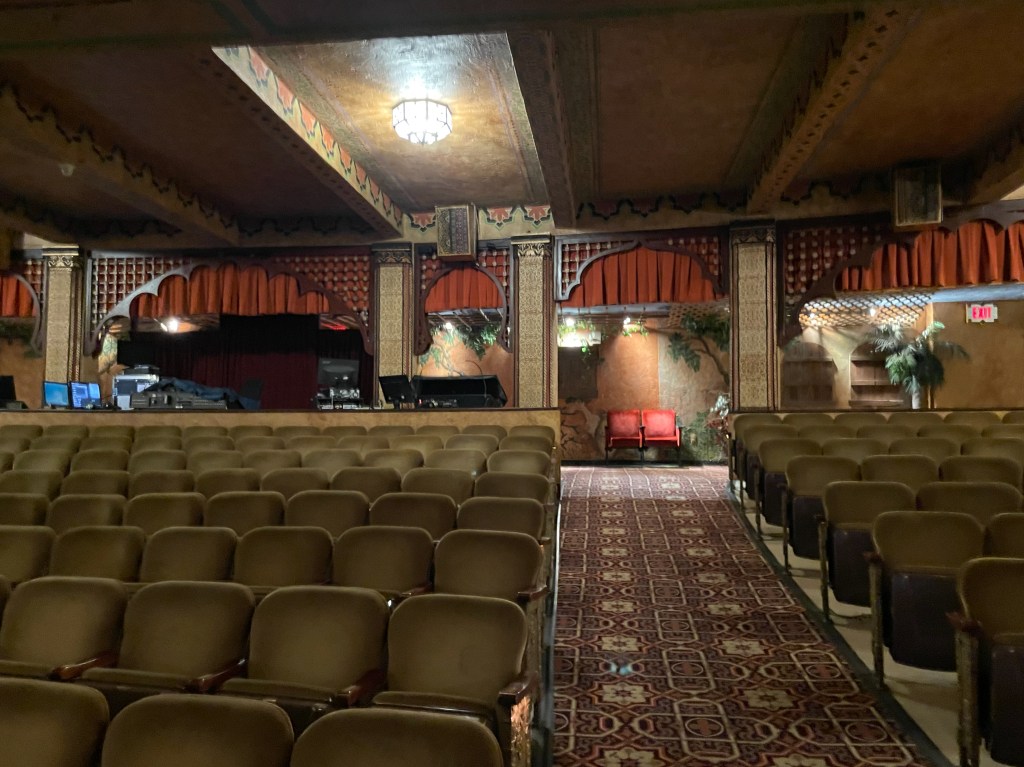
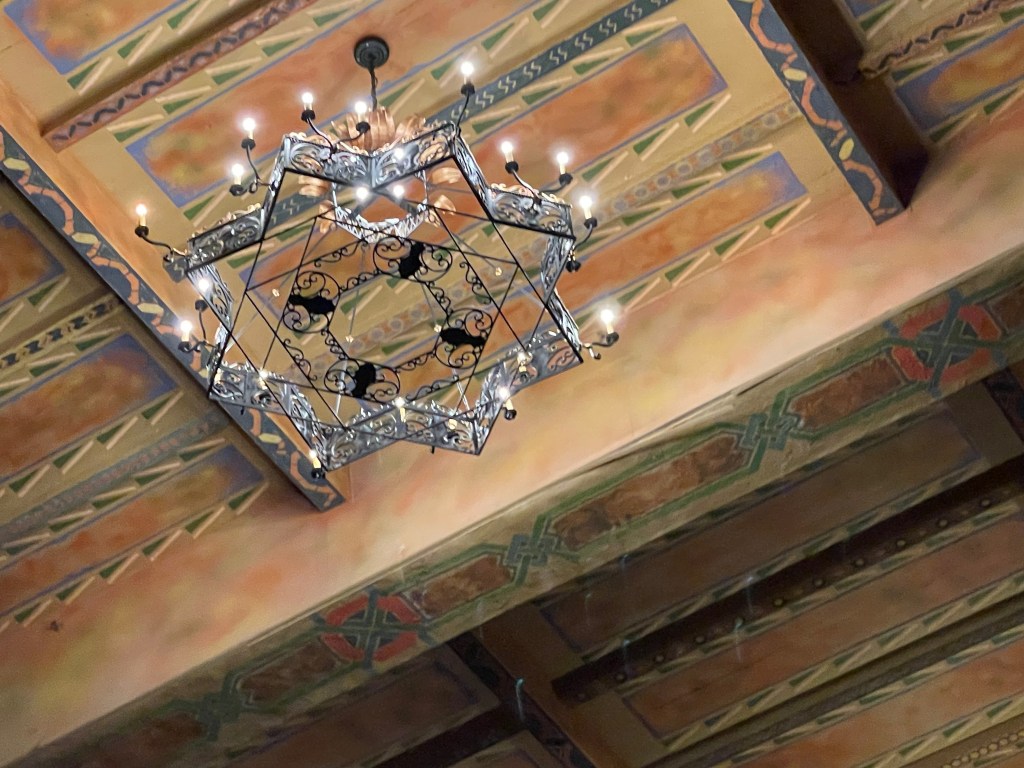
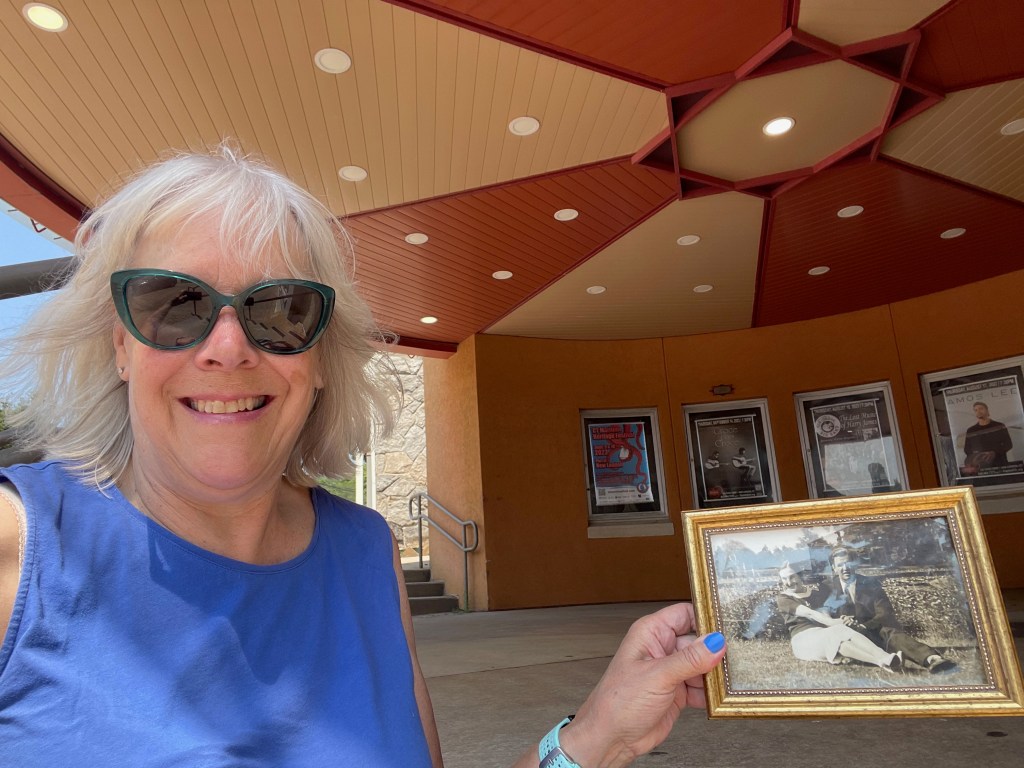
The Mohican Hotel, New London, Connecticut on the sound. This letter is a part of a full letter that’s missing so I don’t know the date, but it says the following: Last night I went down for a swim, and the water was just like taking a bath, but the air was really cold so all we did was stay in the water and hardly I got out for two hours and not have an eaten any food until almost 10 PM. We definitely enjoyed our dinner plus a few drinks. So by the time we got back to the hotel, it was after 11 being rather tired after the swim I thought I would lay down for a few minutes and when I awoke it was 4 AM so I undressed and got back into bed.”Coffee Shop & Other Notes about New London:  Washington Street Coffee Shop, 13 Washington Street – Another really cool coffee shop.  I had a decaf honey lavender iced latte and a caesar chicken wrap.  My favorite part was visiting what is now known as the Garde Arts Center.  The manager took me inside.  It has been completely renovated, a great story of a place that had been let go, to now obviously a hub of the arts in this region.  I saw the original theater and lobby.  She said that theaters in the 1920s and 30s were decorated in a Moroccan theme, so when it was renovated, they brought back that theme.  More information about the Garde Arts Center can be found here. I stayed 55 minutes in New London.  This little trip was one of the instances where I felt close to my grandfather.

STOP THREE:  Norwich – The Norwich Inn 607 West Thames Street

High Roads and Low Roads (Tours)- Route 9 and a little bit of Route 9A

  • From Main Street, turn left onto Market Street
  • Turn right at first cross street onto Water Street
  • Follow Water Street – at lights it becomes Washington Street.  Go over the bridge over the Yantic River
  • Go down West Side Boulevard and take a left onto Route 82 (West Main Street)
  • At next lights, take a right onto Route 32 (Thames Street).  Thames Street becomes West Thames Street.  Follow to the signs 1.8 miles

Travel notes:  This ride took me 8 minutes to traverse the 1.6 miles and I stayed there for 19 minutes.  The street (Route 32) ran parallel to the Thames River.  I wonder how many places are named for different places in England?

About the Norwich Inn:

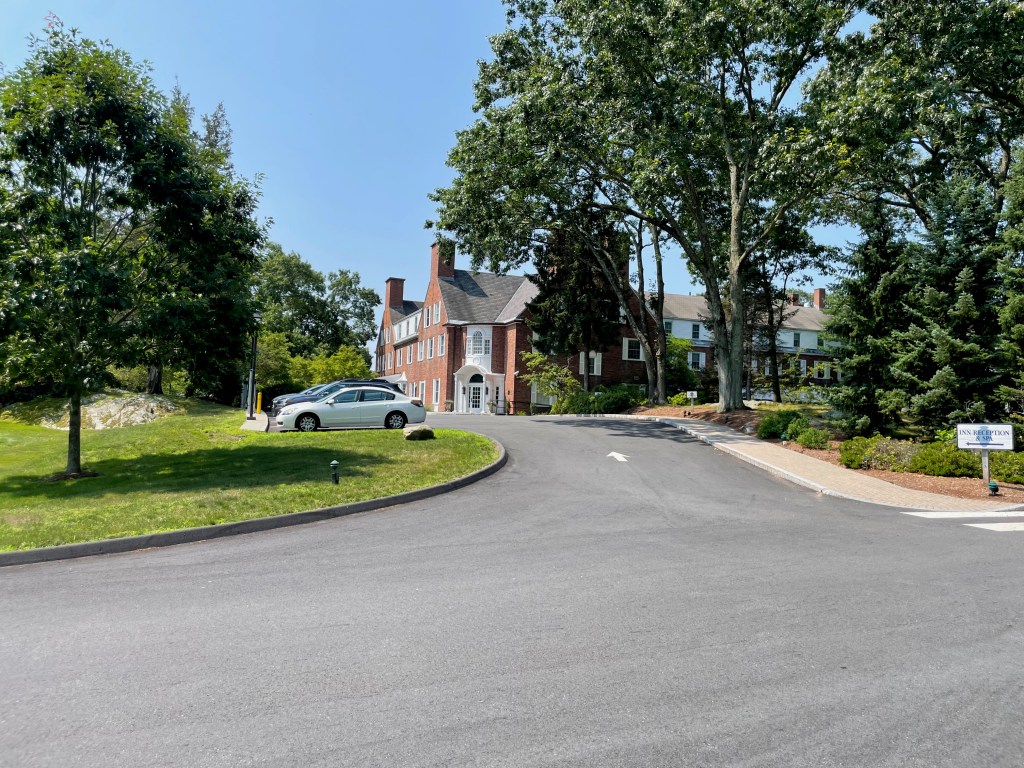
This inn was opened in 1929 and it was a pretty swank place. Important people who stayed there include the Prince of Wales, George Bernard Shaw and Frank Sinatra. It had 75 rooms and backs up to a golf course. The Inn went through several owners after WWII and then unfortunately, fell into a state of decline. The City of Norwich ended up purchasing it and it was used as a boarding house, complete with an overflow jail in the basement. In 1983, it was purchased by a businessman, who added villas on the property and a spa in addition to upgrading the guest rooms. In 1994, the Mashantucket Pequot Tribal Nation purchased the property and they further expanded the spa and remained the property The Spa at Norwich Inn. 

Notes from Letters:

Norwich Inn. Wednesday evening. The letter has to be written after 1934 because it mentions my mother Barbara in it. It also is addressed to Artena Jason so they are married. Notes from this letter include: “Business is terrible here this week, I suppose the reason is that our old Faber, having beaten us up, and quite a few against our brands that there is nothing we can do but play along. Next week we are to work in Worcester. I will be glad to have Joe along with me for we certainly click together and it makes it so much nicer to have someone you rather like along with you And it will make the week go faster.

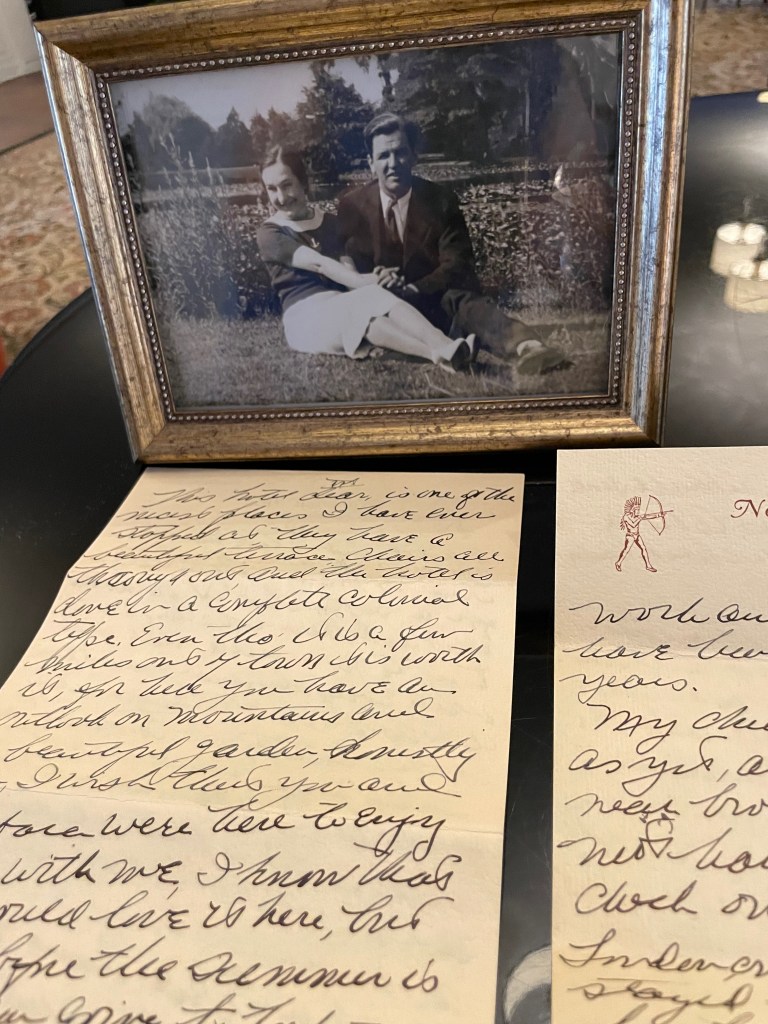
Norwich Inn on a  Tuesday evening. This letter again is written after 1934 because it mentions my mother Barbara in it. This letter goes into detail about a fight that they had the weekend before. Some sentences are: “This hotel dear is one of the nicest places I have ever stopped at as they have a beautiful terrace, chairs all throughout, and the hotel is done in colonial style. Even though this is a few miles out of town,  it is worth it for you have an outlook on mountains and a beautiful garden. Honestly, I wish that you and Barbara were here to enjoy this with me. I know that you would love it here but dear before the summer is over, I am going to take you with me for a few weeks and let you see all the world. My check did not arrive as of yet and all of us are now broke so  somebody did not have enough money to clock out of the hotel and do some thing ever over the weekend so he stayed there and yesterday he took a room here with us and left all his baggage at the Mohican so now he hast to pay for two rooms and only charge up for one well dear as soon as my check arrives, I shall send you a few dollars to hold you over until the next check comes in on Friday.” There was one line that was pretty interesting. “Here we are as it is once more, it seems our destiny to write letters back and forth.”

Notes from the visit:  I spoke to the Desk Clerk who has worked there for 20 years.  He showed me a picture of his aunt who got married there.  He was very interested in the letters, letterhead and envelope and took pictures of them.  This hotel was in direct contrast to the Wauregan, just a few miles away.  I stayed there for about 20 minutes.

STOP TWO:  NORWICH (population 40,014) – The Wauregan, 25 Broadway

https://youtu.be/pFIo7EFTNJU

High Roads and Low Roads (Tours)- Route 9 and a little bit of Route 9A

  • Back to 44, next right onto Grove Street (Route 12)
  • Route 12 turns right at Killingly Ave, turns into Putnam Pike
  • Goes through Attawaugan into town of Killingly.  Go straight across intersection of 101.
  • Turns into Main Street, go through Killingly Center, take a left onto Water Street and right onto Dyer Street, which will turn back into Route 12
  • Route 12 is now Wauregan Street, then turns into Putnam Road.  It will enter Wauregan and then Plainfield.
  • This will become Main Street and then Norwich Road into Jewett City
  • In Jewett City, it becomes Main Street, goes under Rte 395 and becomes River Road
  • It will then become Norwich Ave, Boswell Ave and then turns left onto North Main Street
  • Follow North Main Street.  Take a right onto Main Street
  • Park on Main Street, Broadway will be on the right.

Notes about travel:  It took me 72 minutes to drive the 35.5 miles to Norwich.  It was pretty rural for a while, traveling through places like Plainfield which was incorporated in 1693.  It was confusing going into Norwich center and I did drive around the same region twice before settling for the city parking garage.  

About Norwich in the 1930s:

In the guide book, there is a detailed section about Norwich.  When the book was published, there were 23,021 people living there.  The guide book describes Norwich as being “a busy industrial city at the junction of the Yantic and Shettucket Rivers, which merge together to create the Thames.  The guide book describes in detail the “narrow crooked streets, cobblestones and buildings from many different time periods.”  In this time period, industries in Norwich included making thermo bottles, velvets, woolens, awnings, table cutlery, leather goods and metal products.  There were two hotels in this timeframe.

About the Wauregan:

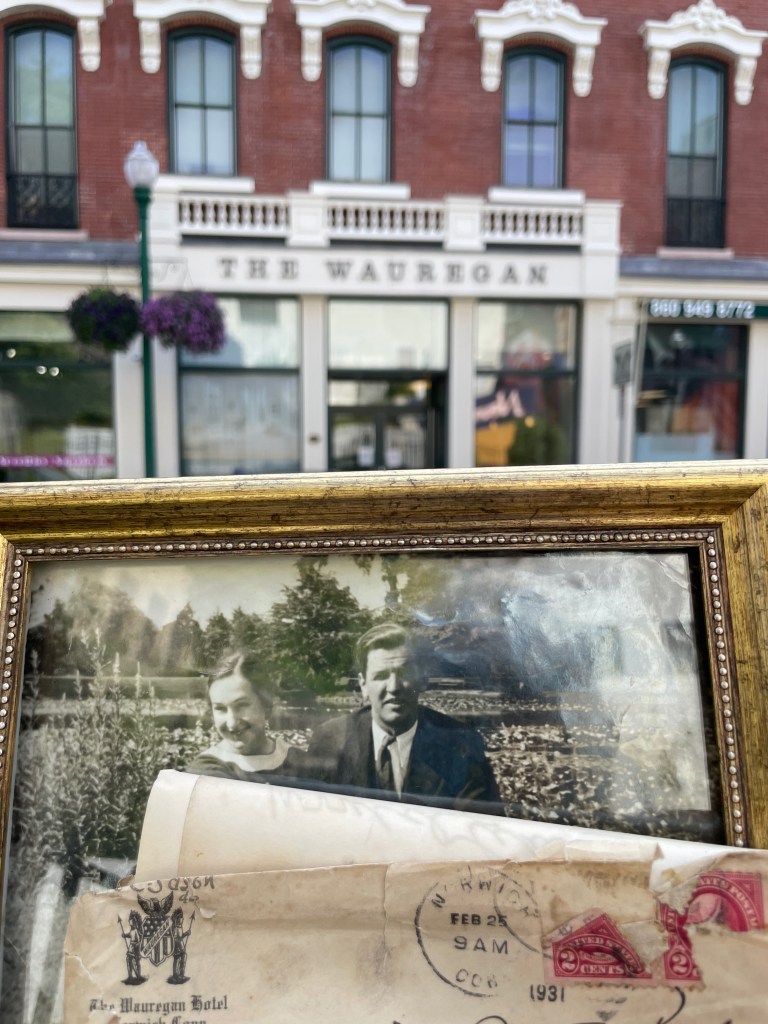
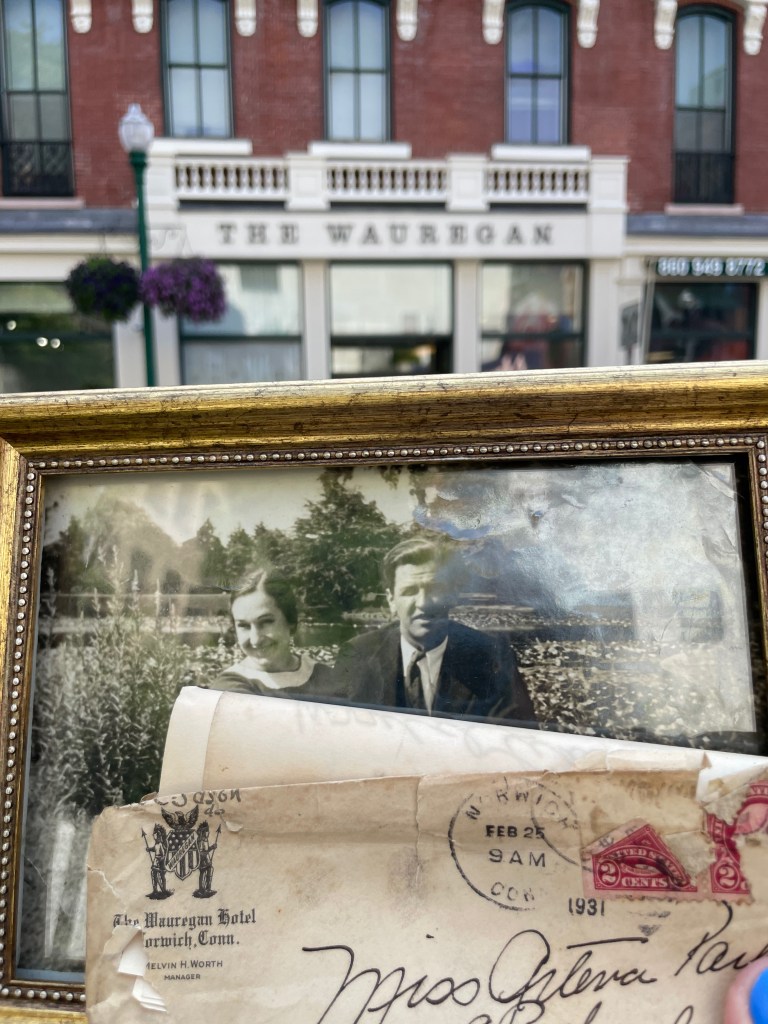
The Wauregan was slated to be demolished in 2019. The Wauregan Hotel, opened in 1855, was clearly one of the most important historic buildings in the downtown. Furthermore, the Wauregan had a distinguished history. Built by a consortium of businessmen and community leaders headed by William Buckingham — merchant, manufacturer, mayor of Norwich, and future governor of Connecticut and U.S. senator — the Wauregan was the meeting place for the movers and shakers of Norwich. The upper floors were reserved for residential use, while the lower three floors were intended for overnight guests. Most famous of all guests at the Wauregan was Abraham Lincoln, on the night of March 9, 1860. At the invitation of the Republican state committee, Lincoln spoke at five Connecticut cities in support of Buckingham’s bid to be re-elected governor of Connecticut. In 1870, a reception at the Wauregan honored U.S. President Ulysses S. Grant, returning from a Fourth of July celebration at Roseland Cottage in Woodstock. Booker T. Washington attended a reception in his honor at the Wauregan in 1908. In the 1950s, famous actors such as Bela Lugosi, Gypsy Rose Lee and others made the Wauregan their stayover while in town for Norwich Summer Theatre performances. Many citizens worked to prevent it from being knocked down and today it is 70 units of moderate income housing, 4,000 s.f. of retail space, ballroom restoration, and 100-space parking garage. 

Notes from letters

The beginning part of this letter focused on my grandfather writing about white he envisioned his future with my grandmother to be like. He then said now I shall return to the present day. This morning I ran across Cliff in the valley, and I told him which Hall had to say regarding the trip. There was a lot more information that went back-and-forth between saying Jason and the others around. I arrived in town about 11:30 this morning and put in for displays and chalk that took me up to 530. Got back to the hotel, shaved, had dinner, sat in the lobby for a few minutes and here I am writing you. The last mail has left so this won’t leave until tomorrow morning. Today was another touch of spring and I know how much you would like to have been on here instead of being in your dreary office. This was written on February 25, 1931

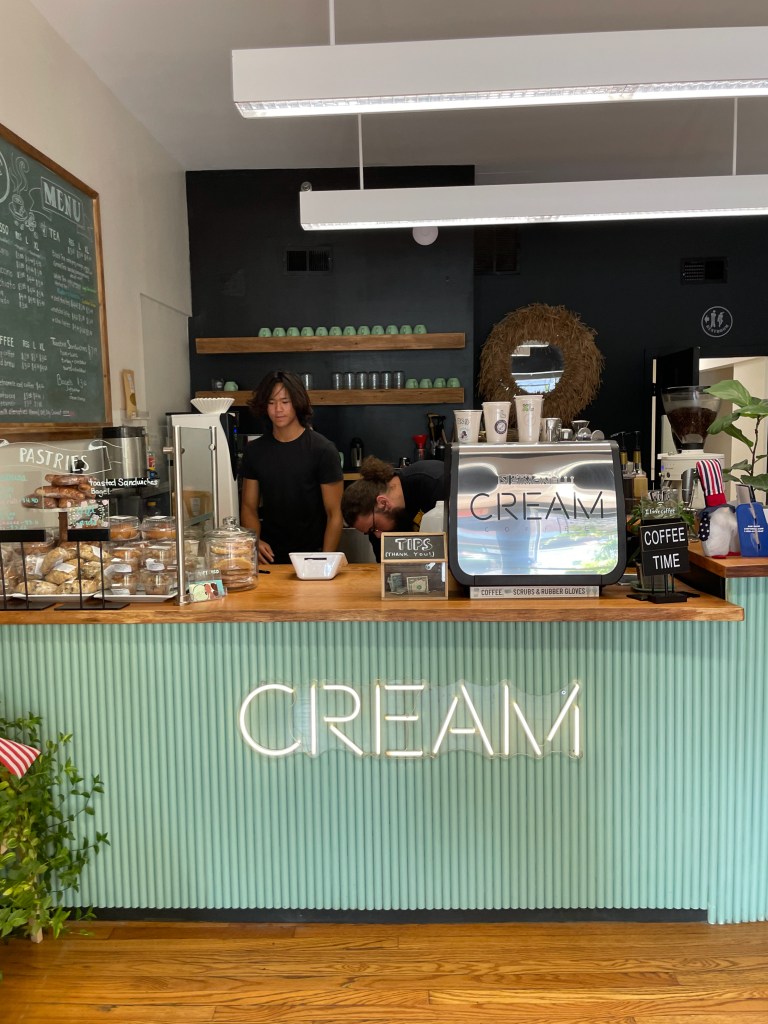
Coffee Shop & General Notes about Norwich:  Cream Coffee Shop, 48 Franklin Street.  The coffee shop was really neat and had both inside and outside seating.  It was very busy with a variety of people (from older people to firefighters).  I had a delicious peach-apricot iced tea.  The downtown was interesting – lots of murals on buildings, but there were also a lot of empty storefronts. There was a gallery on the other side of the Wauregan, but it wasn’t open until later. Currently, there are a little over 40,000 people who live in Norwich.   I spent 43 minutes in downtown Norwich.